
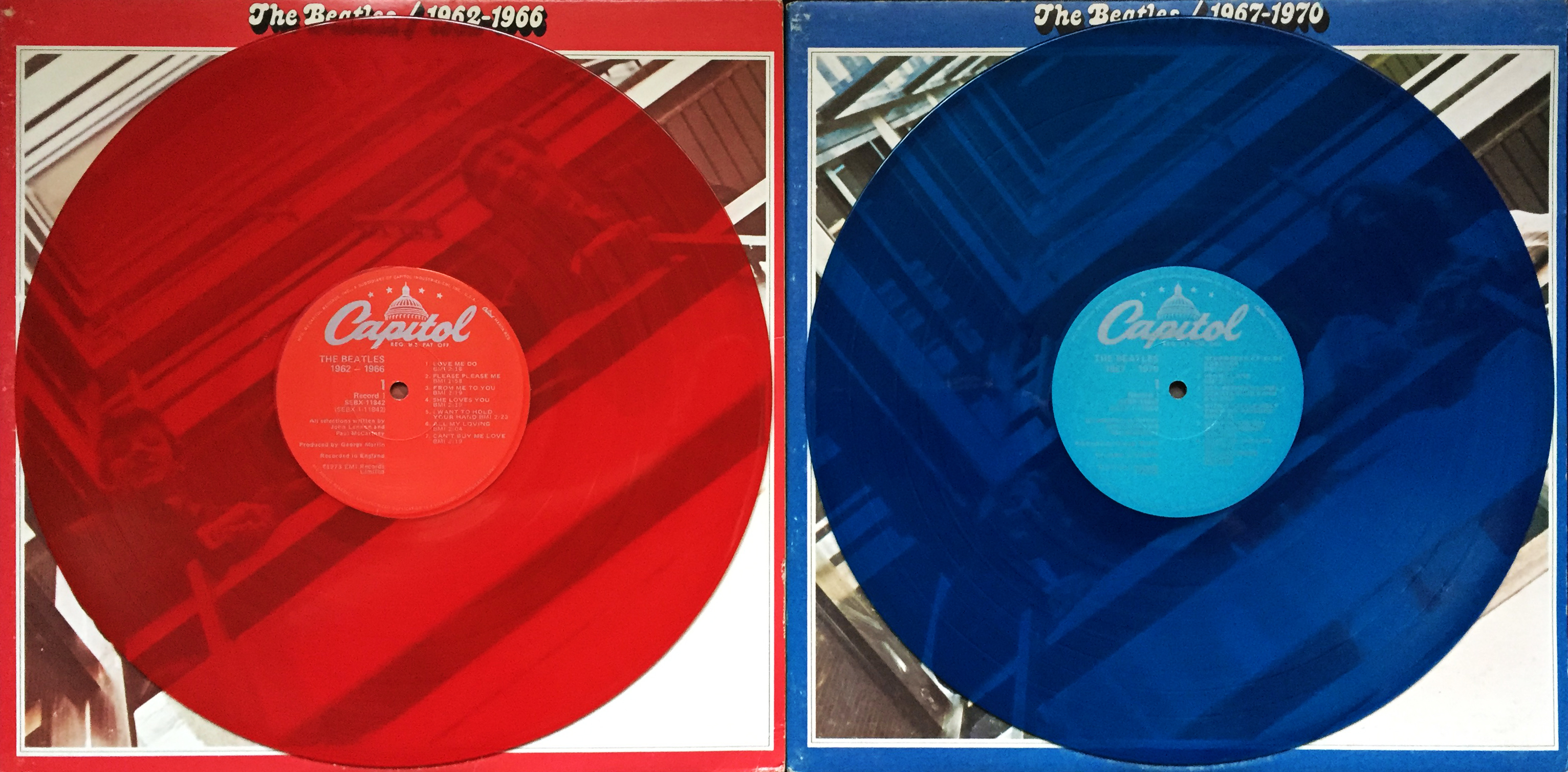
 Red vs. Blue. Right vs. Left. Early Beatles vs. Later Beatles. Unfortunately, life is whittled down to these black and white decisions (red and blue in this case). Personally, I feel there should be a purple option, neatly fitting between the extremes. It’s all good, as far as I’m concerned, one side is just (arguably) better than the other.
Monthly Archives: September 2018
Hank
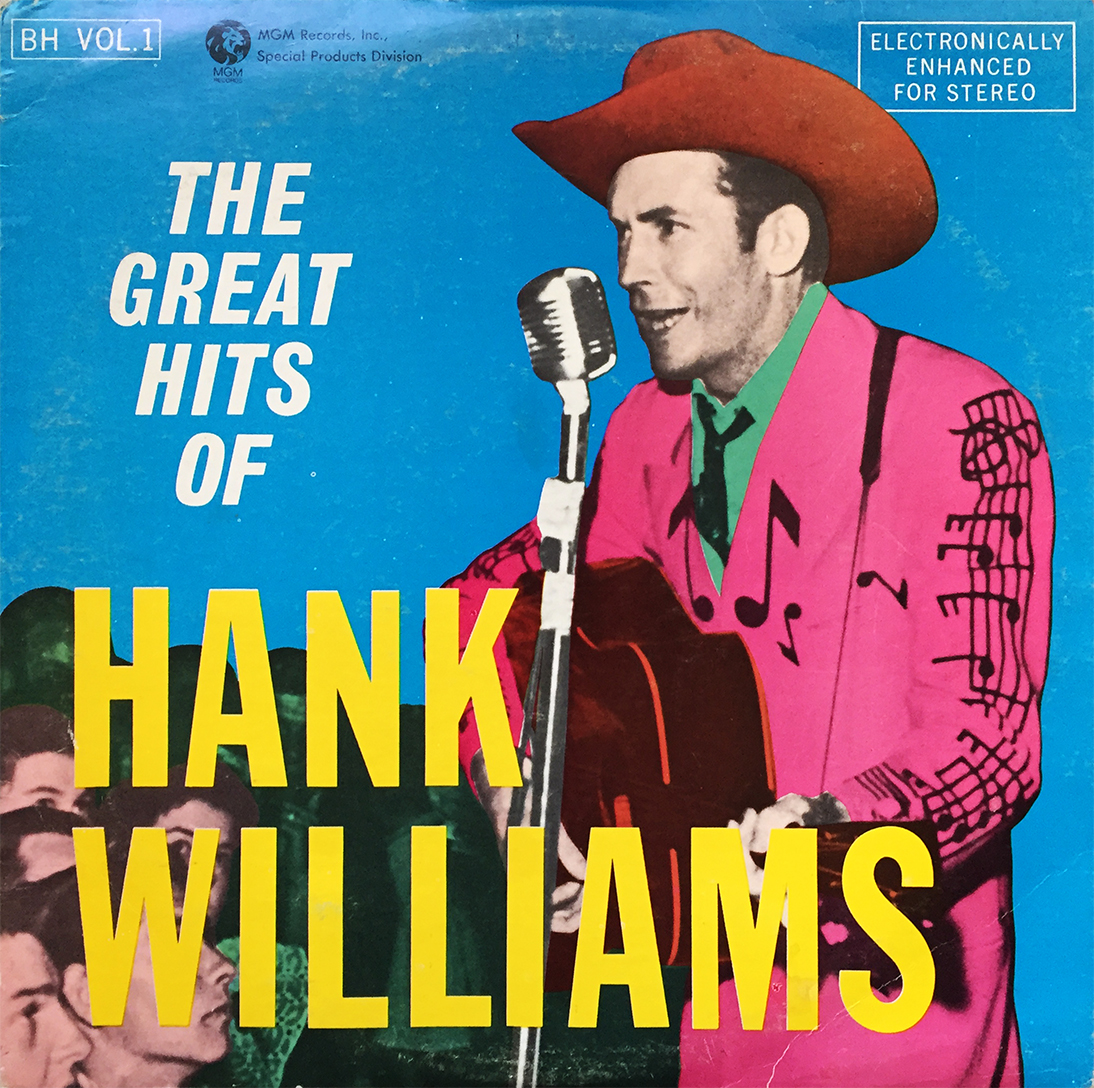 There are two covers to the Hank Williams (With His Drifting Cowboys) double LP comp, The Great Hits of Hank Williams. One, and presumably the original, was released in 1972 and features a brownish cover with an illustration of an acoustic guitar. Simple, yet directly to the point. This version, also released in 1972 by the same label with the same catalog number, features a hyper-colorful Hank singing into a badass, vintage microphone atop a sea of lookie-loos. To me, presented with the option, the decision is a no-brainer, but to each their own. All things considered, either would certainly suffice for a dirt-cheap double LP of original Williams essentials. It just dawned on me that I’ve already covered this album here, so consider this Chapter Two of the same story. Chapter Three to come in another four years when I’ve forgotten about Chapter Two.
Classical Gas(oline)
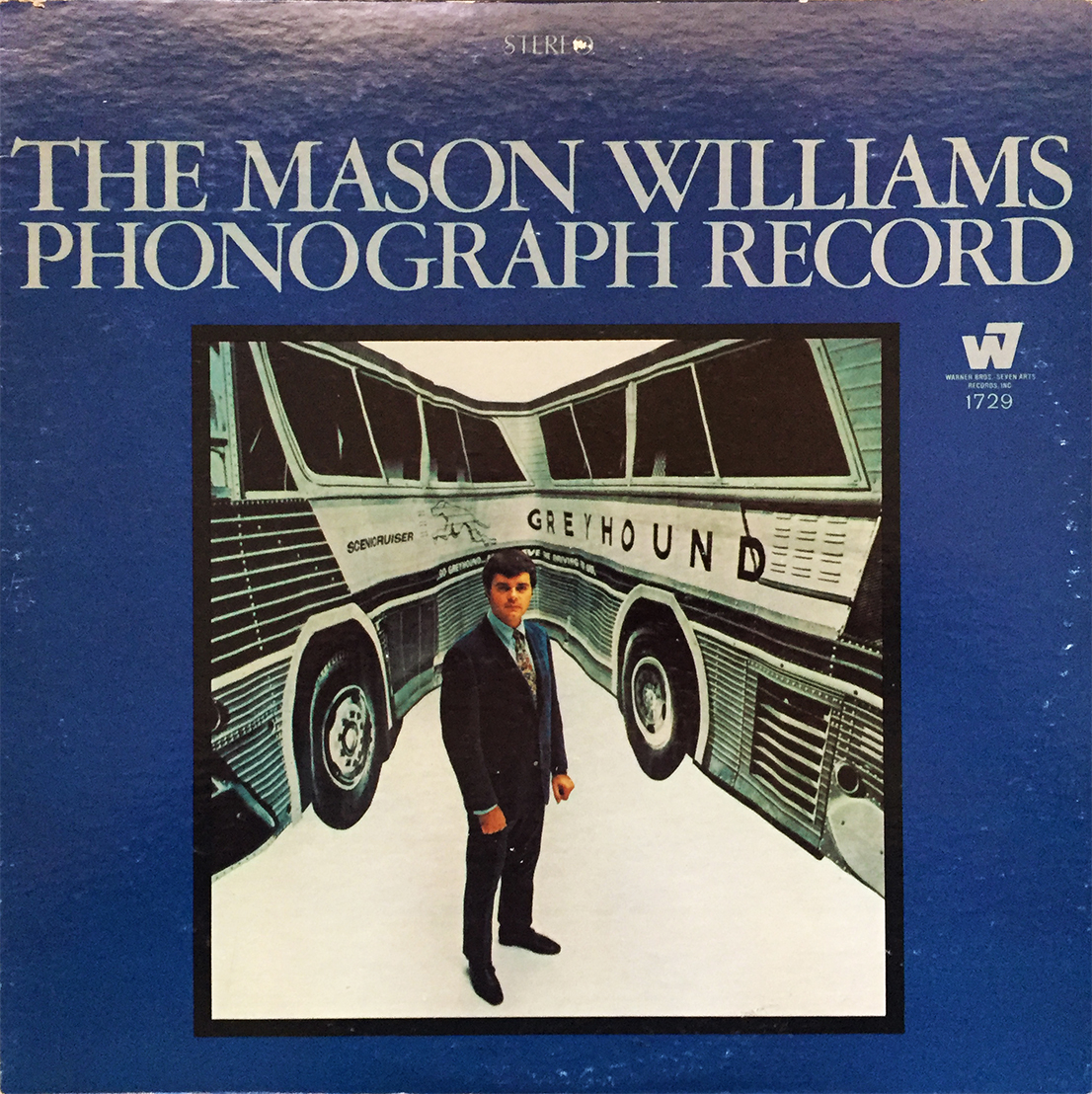 It’s the little things that uncover themselves, often without prompting, that make writing for The Groove so amusing. Mike Post, award-winning television theme music composer (famous for The A-Team, Magnum, P.I., Doogie Howser, M.D., CHiPs, Hardcastle and McCormick, NewsRadio, Quantum Leap, Hill Street Blues, L.A. Law, The Rockford Files, NYPD Blue, The Greatest American Hero, and of course, Law & Order) won a Grammy for Best Instrumental Arrangement for the playful, finger-pickin’ 1968 single by Mason Williams titled, Classical Gas. Mr. Williams, then the head writer for The Smothers Brothers Comedy Hour, would also take home two Grammys of his own for the song, which was originally titled Classical Gasoline (artistic and virtuosic fuel for classical guitarists). The track appears as the first song on side B of the featured album, The Mason Williams Phonograph Record (Warner Bros. – Seven Arts Records, Cat. No. WS 1729).
Nelson George on L.L. Cool J
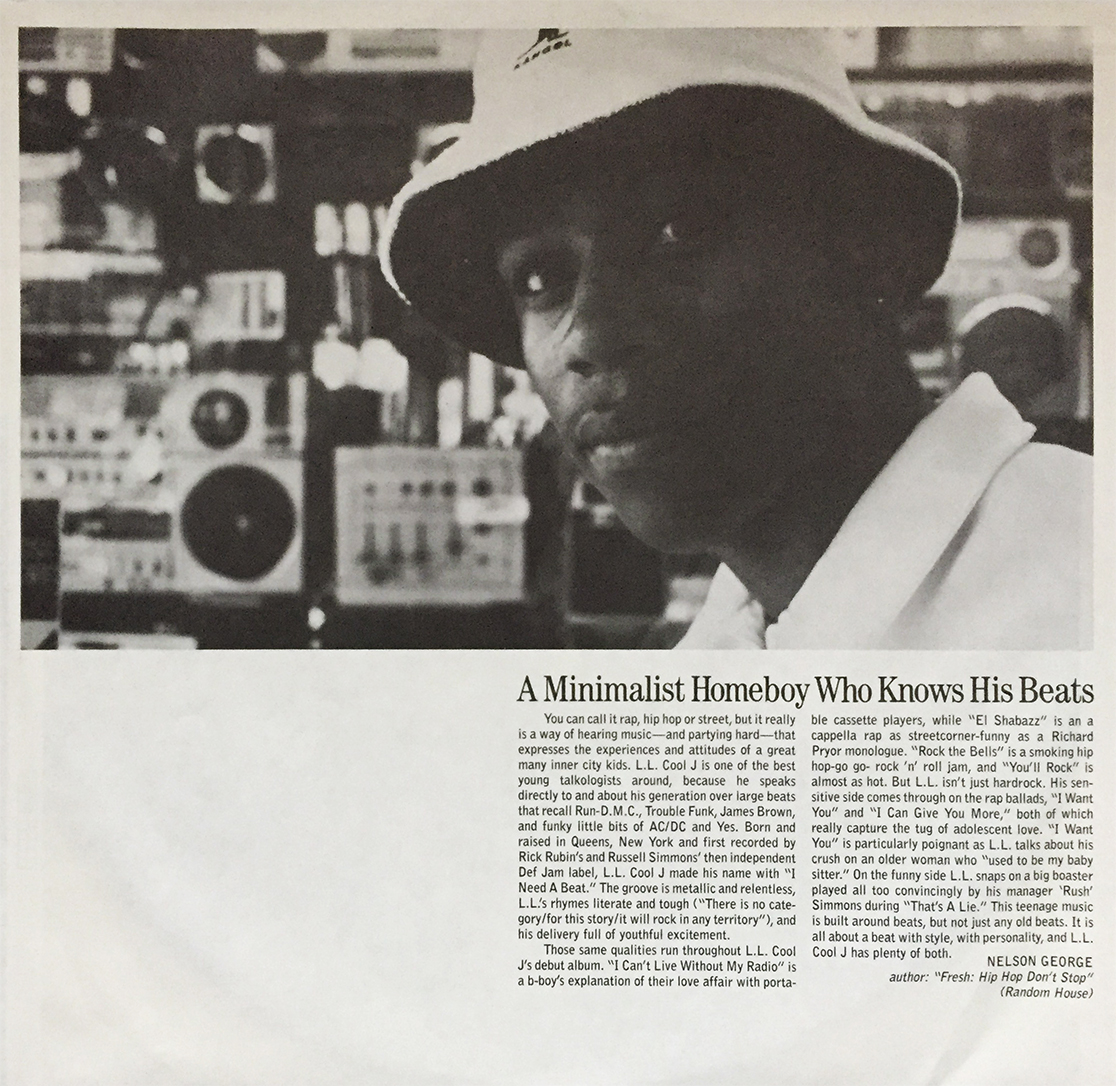 The inner sleeve to L.L. Cool J’s debut album, Radio is a pitch-perfect analysis of this (then) young man’s budding talents. Presented below, in its well-respected hilarity is the entirety of Nelson George’s take on the young L.L. Cool J. Enjoy.
———-
A Minimalist Homeboy Who Knows His Beats
You can call it rap, hip hop or street, but it really is a way of hearing music – and partying hard – that expresses the experiences and attitudes of a great many inner city kids. L.L. Cool J is one of the best young talkologists around, because he speaks directly to and about his generation over large beats that recall Run-D.M.C., Trouble Fun, James Brown, and funky little bits of AC/DC and Yes. Born and raised in Queens, New York and first recorded by Rick Rubin’s and Russel Simmons’ then independent Def Jam label, L.L. Cool J made his name with “I Need A Beat.” The groove is metallic and relentless, L.L’s rhymes literate and tough (“There is no category/for this story/it will rock in any territory”), and his delivery full of youthful excitement.
Those same qualities run throughout L.L. Cool J’s debut album. “I Can’t Live Without My Radio” is a b-boy’s explanation of their love affair with portable cassette players, while “El Shabazz” is an a cappella rap as streetcorner-funny as a Richard Pryor monologue. “Rock the Bells” is a smoking hip hop-go go- rock ‘n’ roll jam, and “You’ll Rock” is almost as hot. But L.L. isn’t just hardrock. His sensitive side comes through on the rap ballads, “I Want You” and “I Can Give You More,” both of which really capture the tug of adolescent love. “I Want You” is particularly poignant as L.L. talks about his crush on an older woman who “used to be my baby sitter.” On the funny side L.L. snaps on a big boaster played all too convincingly by his manager ‘Rush” Simmons during “That’s A Lie.” This teenage music is built around beats, but not just any old beats. It is all about a beat with style, with personality, and L.L. Cool J has plenty of both.
Nelson George
author: “Fresh: Hop Hop Don’t Stop”
(Random House)
MCMLXXXIV
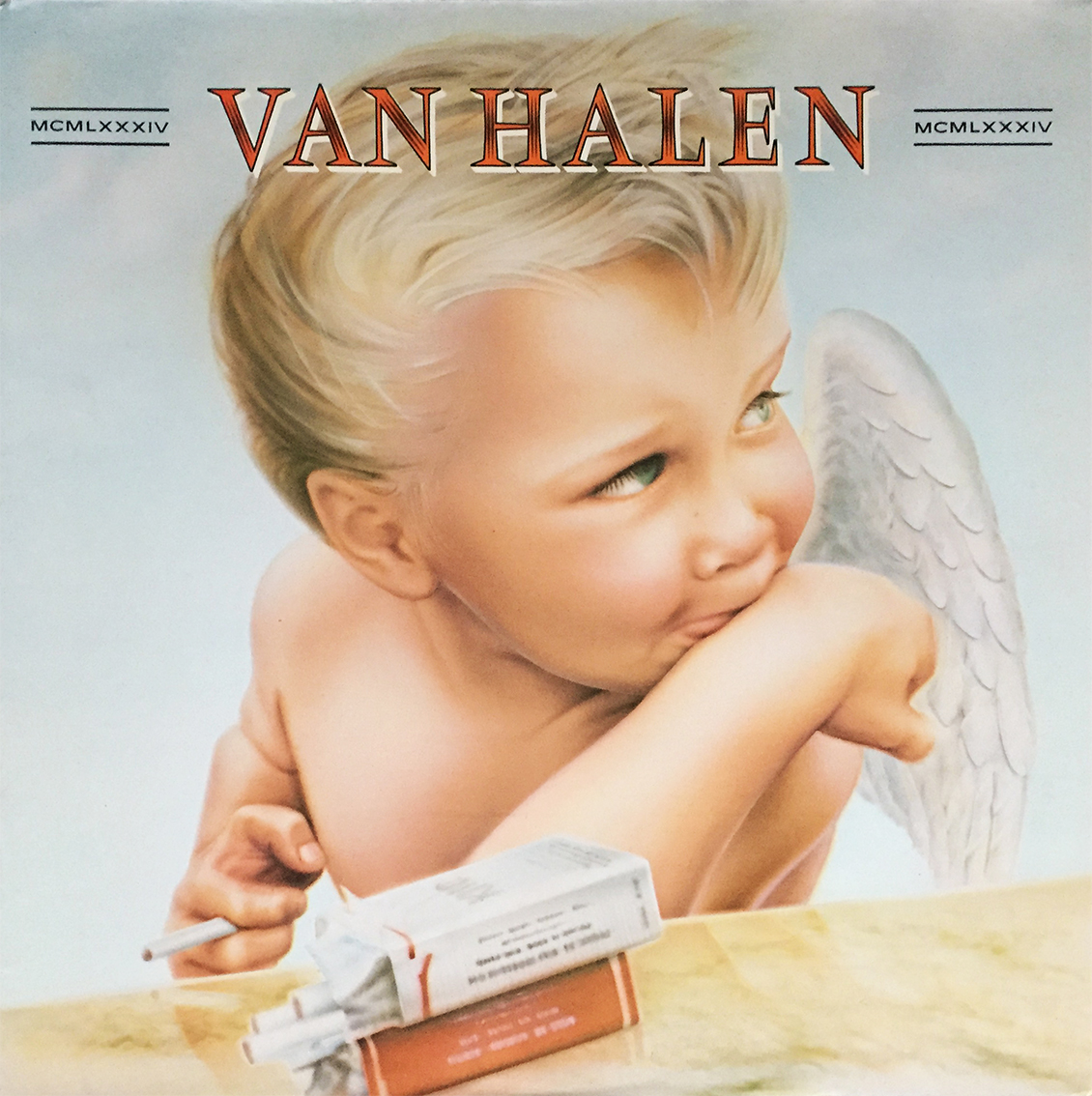 1984, Van Halen’s sixth album is a bittersweet masterpiece. It is (one of) the bands’ most commercially successful records (selling 10+ million copies), and was the last (until 2012’s A Different Kind of Truth) to exercise the unquestionable talents of one Mr. David Lee Roth. The home to four, radio-friendly (radio-polluting?) singles, and Van Halen classics (Hot for Teacher, I’ll Wait, Panama, and Jump), it’s no question how 1984 because such a monumental classic, and indisputable staple to the 80s decade. If you haven’t in a while, dust off your smoke-stained copy and serve yourself a platter of glam metal goodness. Your (considerably) younger self will thank you.
Yes or No? Yes, Obviously
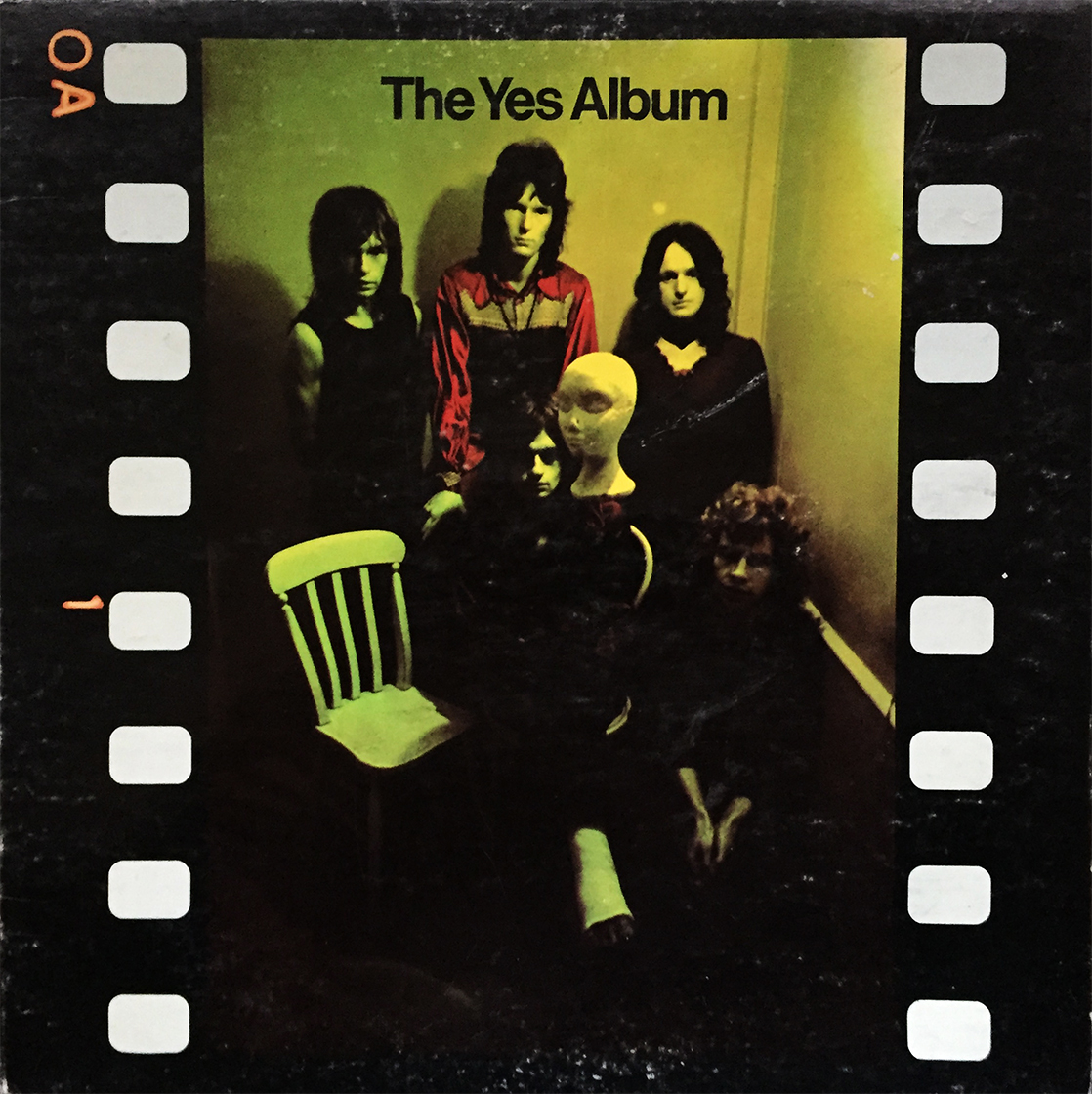 Certified Platinum and third studio album by London’s prog rock adventurers, Yes, The Yes Album launched in February of 1971 to both commercial and critical success. See that word Platinum in the opening sentence? That’s a pretty good indication of this album’s popularity. The Yes Album would be the last for keyboardist Tony Kaye and guitarist Peter Banks, both founding members, and would be the first with the group for Steve Howe (later of Asia fame). Progressive rock isn’t necessarily my immediate number one go-to (it’s more 17 or 18 down the line), The Yes Album is a whimsical and spirited hike, deserving of a reverent stroll. Yes’ classic album cover art (those illustrated by Roger Dean) would begin later that year (November) with Fragile.
Texas Flood
 Texas Flood is 38 minutes of ceaseless and violent bolts of lighting, harnessed and triggered in 10 strikes. The provider of two Texas blues singles (tracks one and two with Love Struck Baby and Pride and Joy), Texas Flood is timeless, dirty blues rock at its absolute pinnacle, and happens to be Stevie Ray Vaughan and Double Trouble’s debut studio album. If you aren’t already in possession of this masterpiece, bump it to the top of your list. RIP SRV.
Far Away
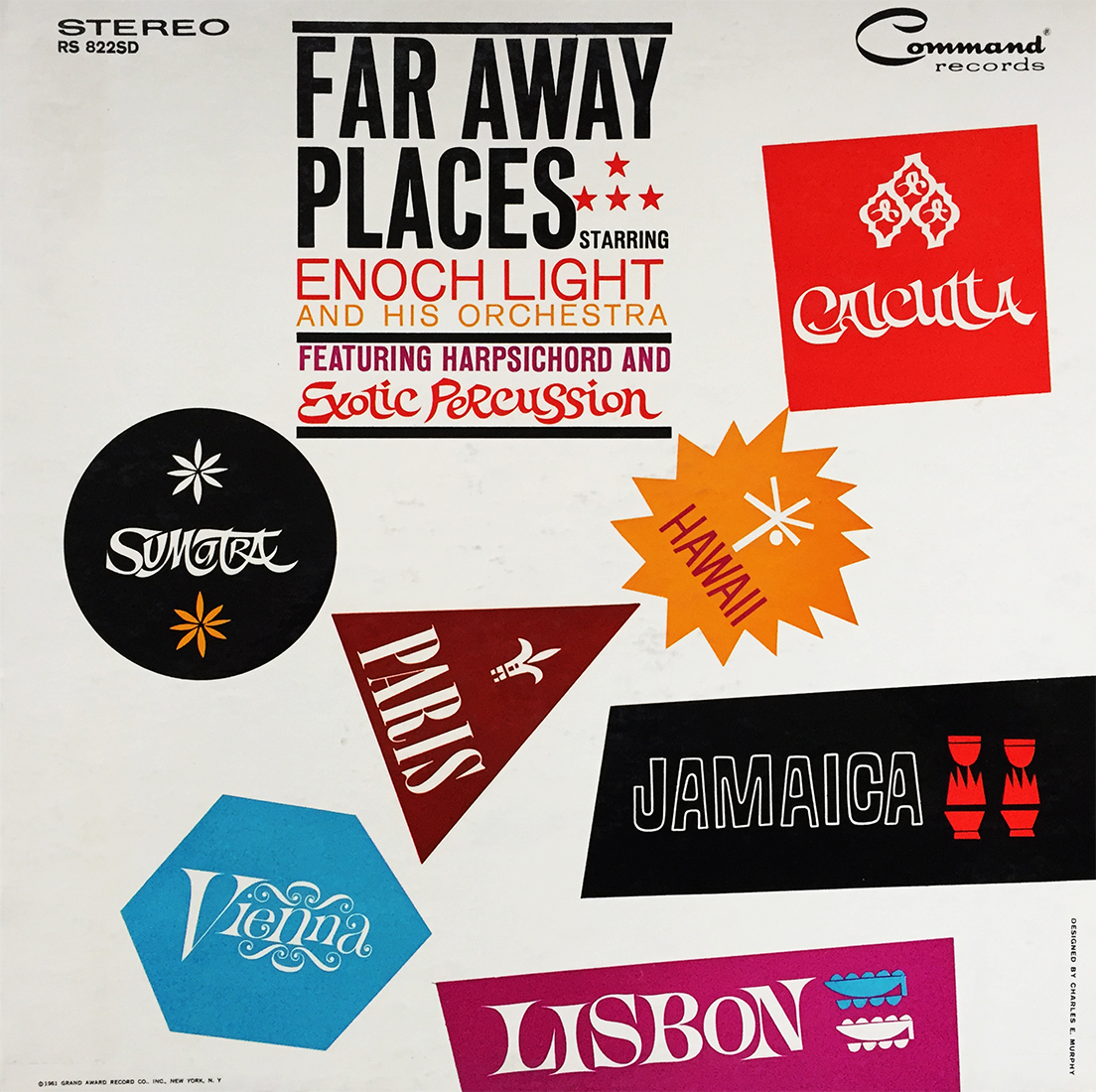 A (relatively) minor oversight on my part was the double acquisition of Enoch Light and His Orchestra’s 1961 release, Far Away Places. You see, I’d found Far Away Places Volume 2 little over a year ago, and had forgotten picking up Volume 1 (this) a few short months after. I paid a whole $3 for this, now my second copy. Anyone want a free Enoch Light record? I mean, the cover states the obvious, “Featuring Harpsichord and Exotic Percussion”… EXOTIC PERCUSSION, PEOPLE!!
My Man Floyd
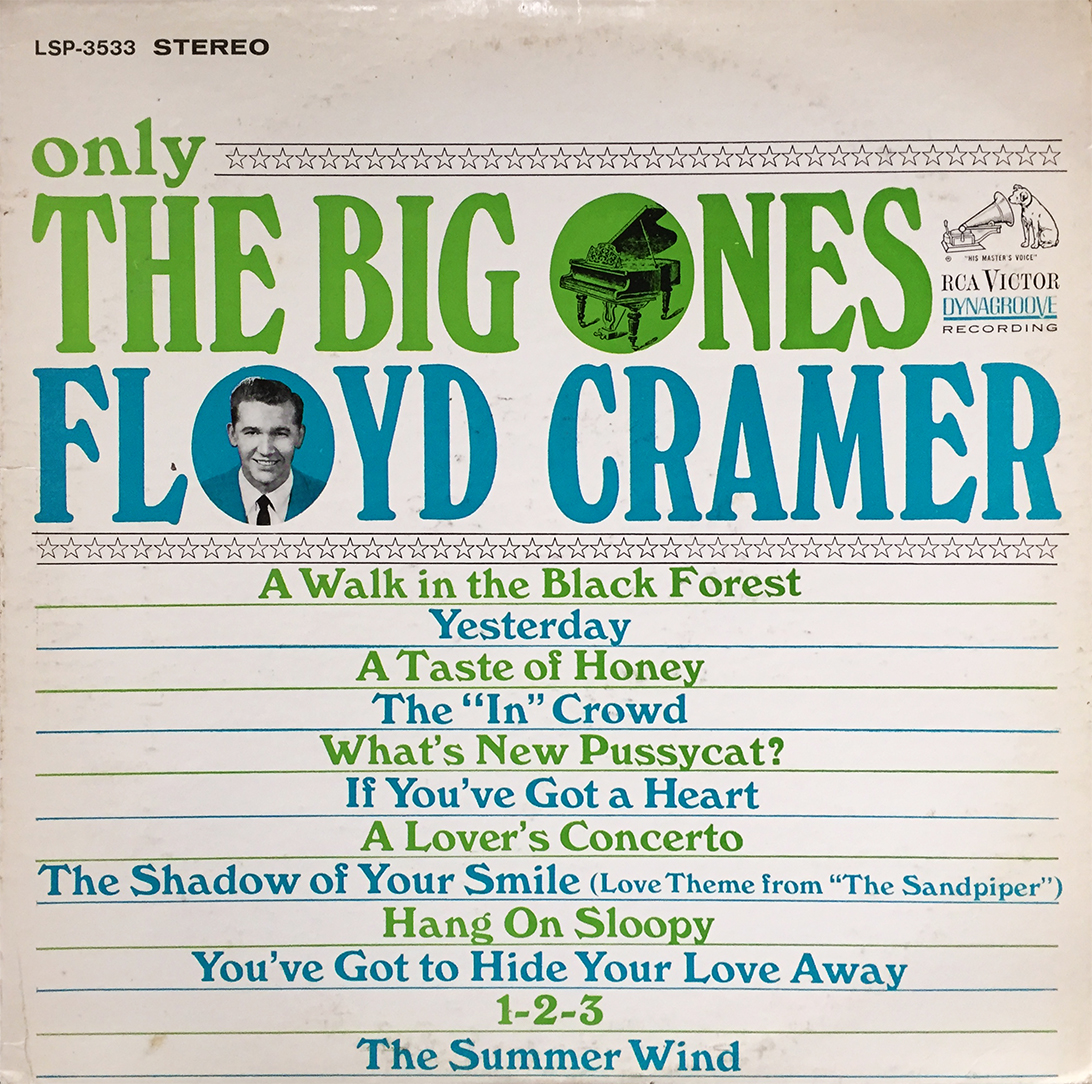 I own a total of one Floyd Cramer record, and this is it. 1966’s Only the Big Ones (RCA Victor), contains some pretty heavy-hitters: The Summer Wind, You’ve Got to Hide Your Love Away, Yesterday, What’s New Pussycat?, and a personal favorite, Hang on Sloopy. Only the Big Ones is a bit more groovy to be considered elevator music, but like “yesterday’s” addition, is a very good representation of uplifting, happy-time instrumental piano-jazz music.
Never Tease Tigers
 Sound advice, really. Never Tease Tigers. In addition to a legendary ragtime piano player, Bent Fabric was pretty damn good at stating the obvious as titles for his albums (The Happy Puppy and The Drunken Penguin come to mind). This instrumental and pleasing to the ear album (easy listening, anyone?) is simple and jolly, much like the majority of Mr. Fabric’s album covers. Buy him for the cover, continue buying “for the good times.”
 The Prudent Groove