
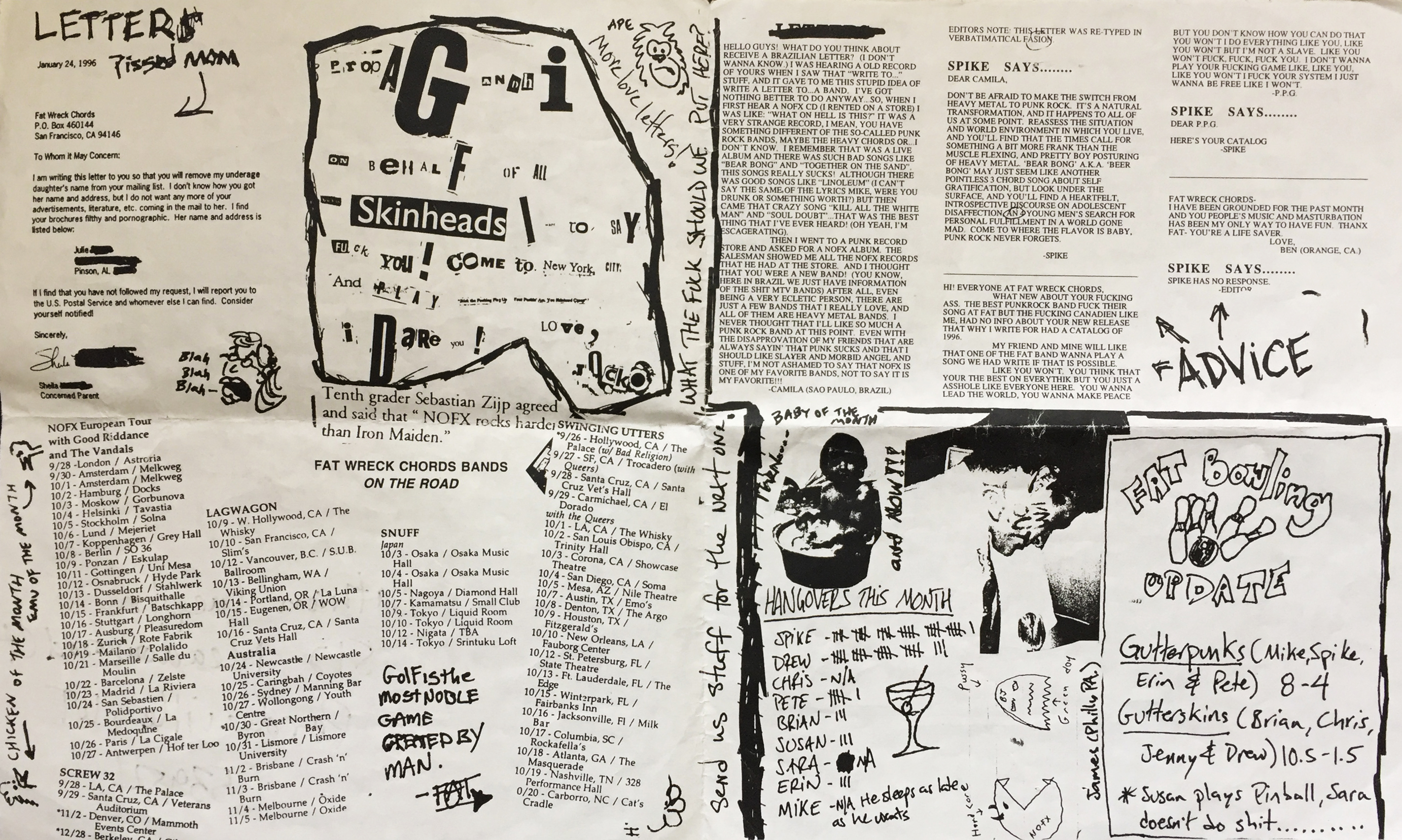
 I vaguely (not at all) remember writing to Fat Wreck Chords back in high school, asking for some semblance of life outside the tiny, rural Wisconsin town I called home. What I received was this scrapbook photocopy of touring bands, lackluster anecdotes, and vulgar responses to questions I was unaware were asked. As a 16-year-old seeker, I couldn’t have been more pleased. Presented here is one side of the folded, post card-like continental representation of the Fat label I’d received. From San Francisco to rural Wisconsin… this was printed hope that life existed outside of Varsity pep rallies and isolated weekend shifts at the local Subway. To say I’ve been loyal to the label would be an understatement. This would have been sent some 22 years ago, and I just stumbled across it last night. To be completely honest, I’d completely forgotten this little piece of personal history even existed.
Tag Archives: wax
Todd
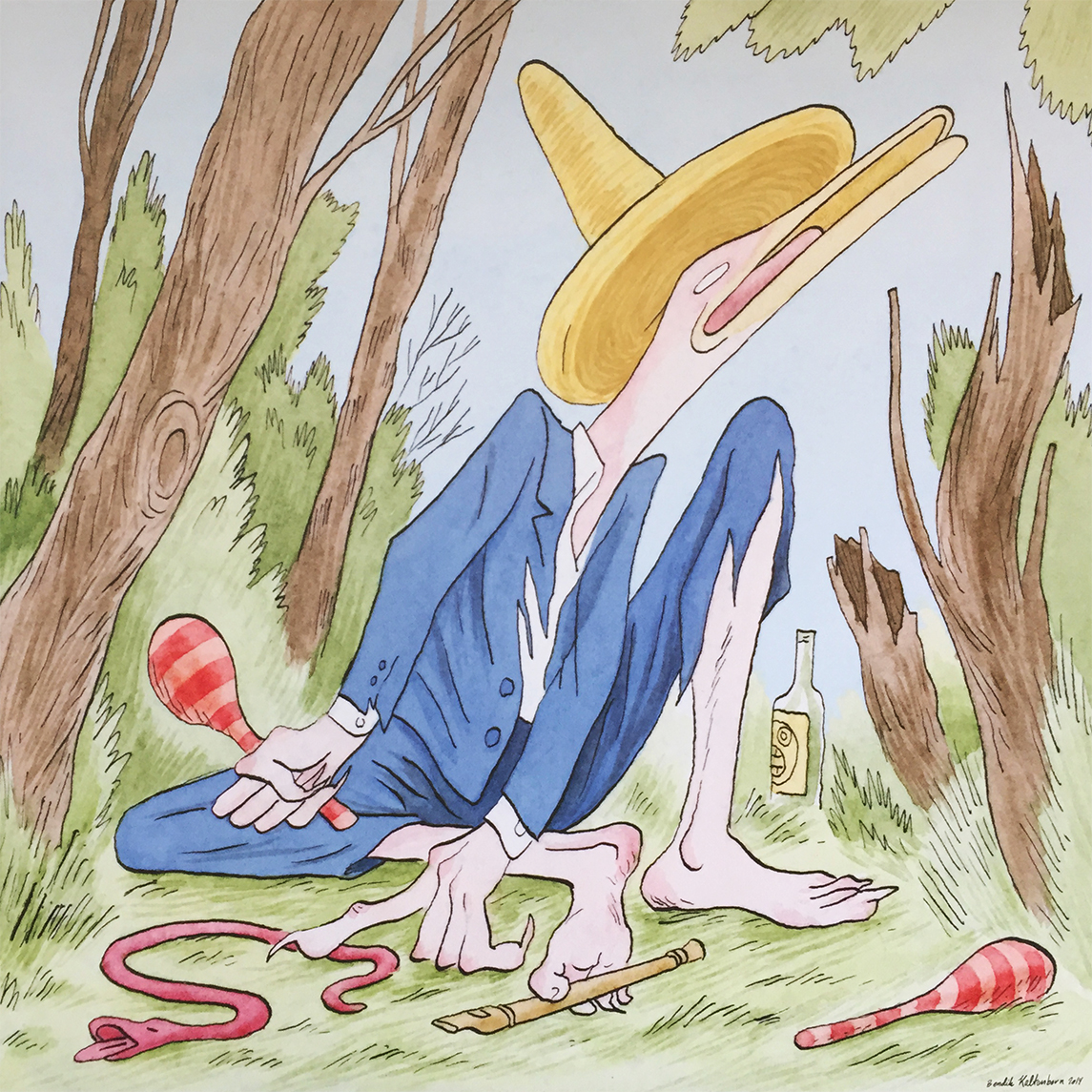 Presented here is an original piece by Norwegian designer Bendik Kaltenborn. It appears inside the 2014 disco record, It’s Album Time by Terje Olsen, aka Todd Terje. In addition to the album’s cover, back jacket, and insert, Kaltenborn has produced illustrations for The New Yorker magazine, as well as a slew of other Todd Terje record releases (The Big Cover-Up and the 12″ single Spiral come to mind). Check him out. He’s certainly a name to remember.
A Closer Look at Lookout!
 I never really offered the much-needed attention to Lookout! Records that I now wish I had. One of the first, let’s say, 10 labels I’d ever heard of, thanks to Operation Ivy’s 1989 Energy, I reluctantly abandoned all possible rabbit hole hunts with the childish understanding that I’d have plenty of time “tomorrow” to get myself familiar. Well, all the tomorrows are gone following the label’s closure in January of 2012. So, if you’re feeling a bit nostalgic, here is an insert featuring a collection of Lookout! Records’ 7″ releases.
Rock House
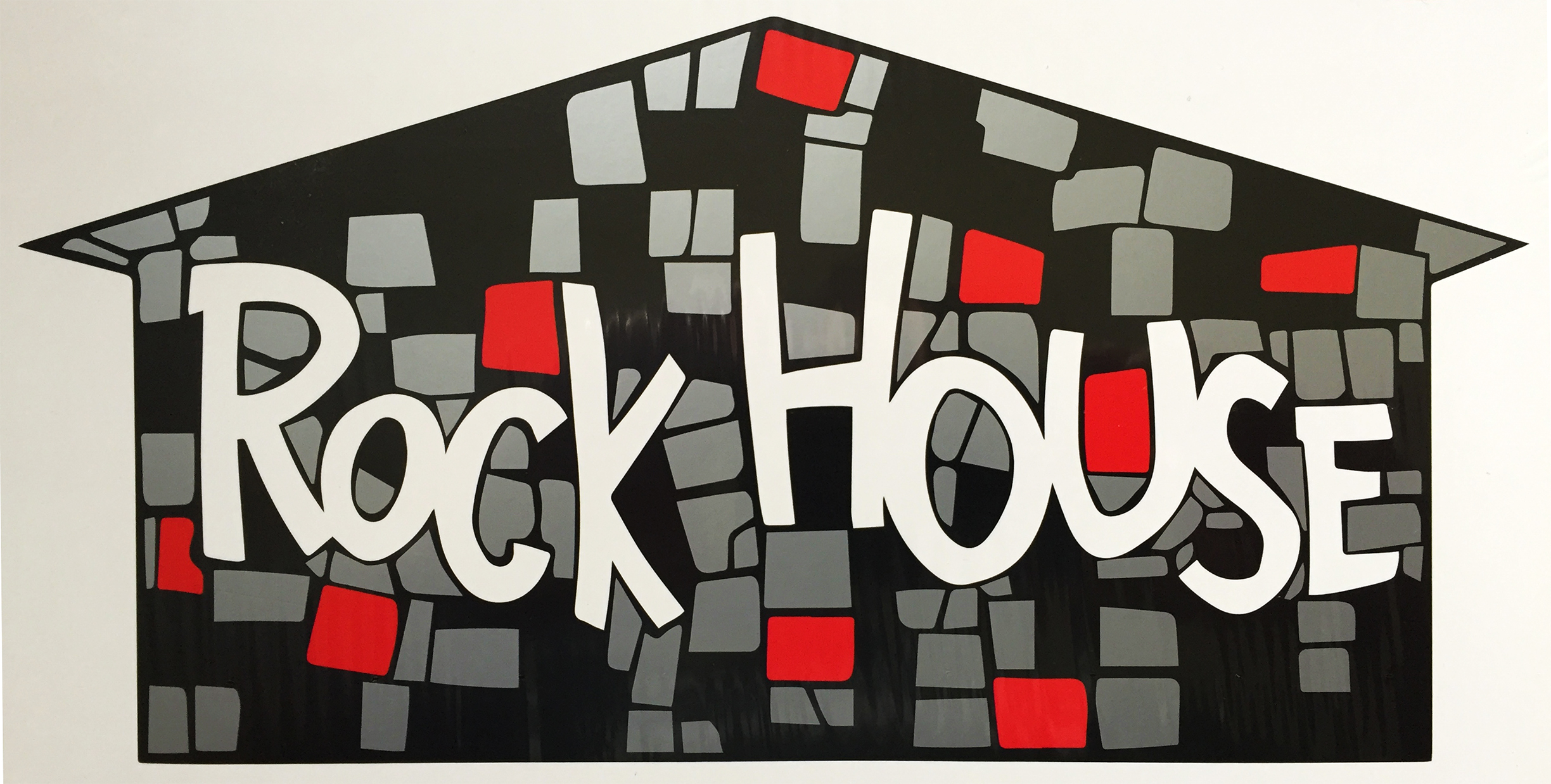 I’m my attempts to track down even the crumbled foundation of the “Rock House” featured on the cover of Roy Orbison’s 1961 Sun Records release, At the Rock House, I’ve reluctantly concluded that any physical construction of said house was completely built with fictional bricks. The term can be best described from the album’s back jacket, in good ‘ol black and white and well, soon to be read all over: You will find in this album a collection of Roy’s adventures on the Sun Label. We believe you’ll find it to be a real “Rock” house for dancing and listening. It gives us great pride to present a real talent great, along with a real fine boy – Roy Orbison!
Light ’em Up
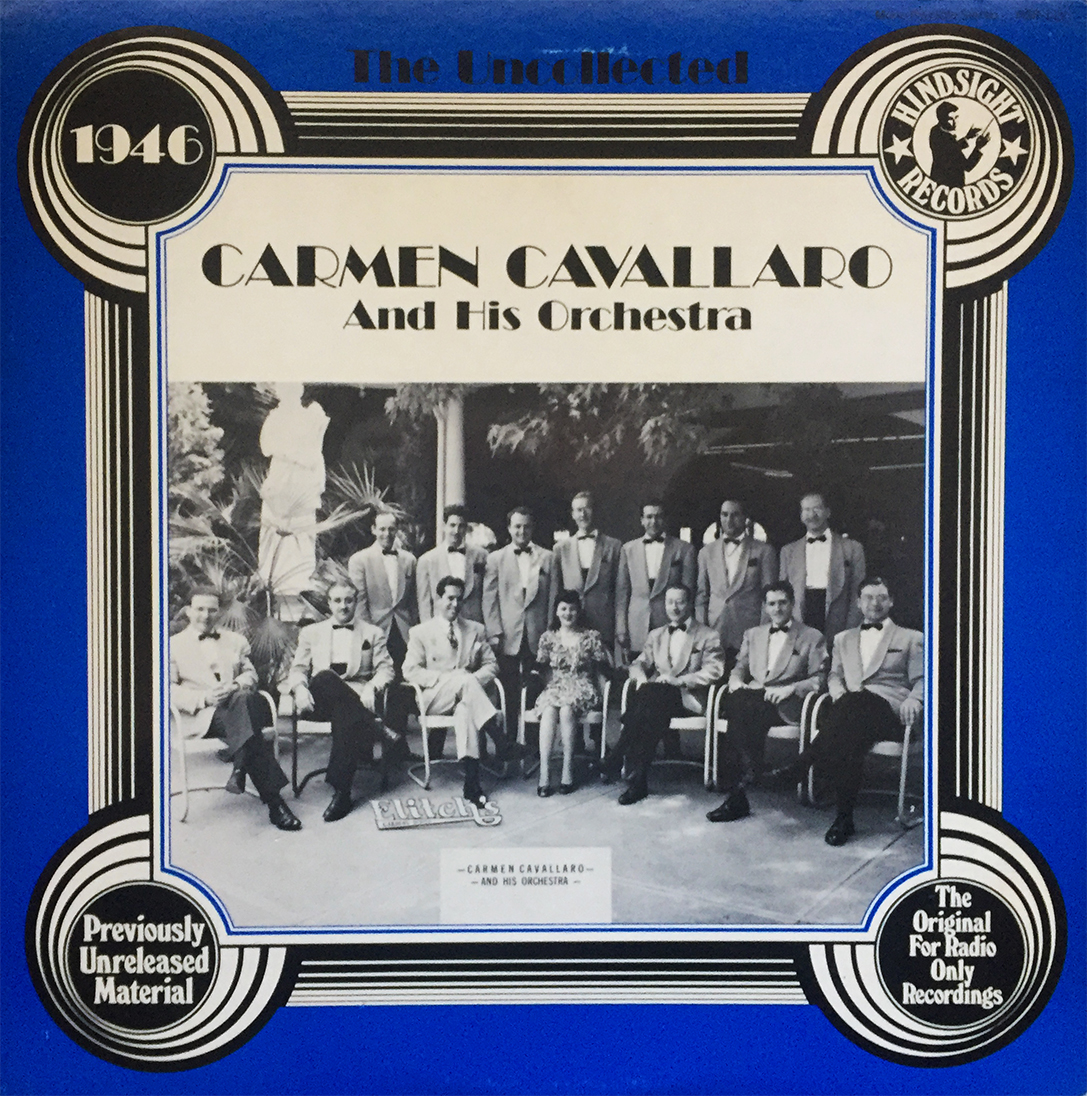 So, apparently “light music” is a genre. You classical nuts out there may scoff at my ignorance, but the term just seems too generalized, if, you know, you ask me. Light music has many siblings under the easy listening roof, and is sometimes considered concert or mood music. Man, to deconstruct all the little orphans that make up the easy listening compound seems, at first thought, an exhausting undertaking, so I’m going to squash the impending headache and am never considering tackling that nightmare ever again. Anyway, sidetrack aside, this 1977 collection of 1946 radio-only, unreleased material by Carmen Cavallaro and His Orchestra is a great way to set an ambient tone for an in-home dinner date, or to completely derail a house party filled with deviant hipsters. Both are pleasant thoughts, and The Uncollected Carmen Cavallaro and His Orchestra 1946 is a terribly pleasant listen.
Oxymoron
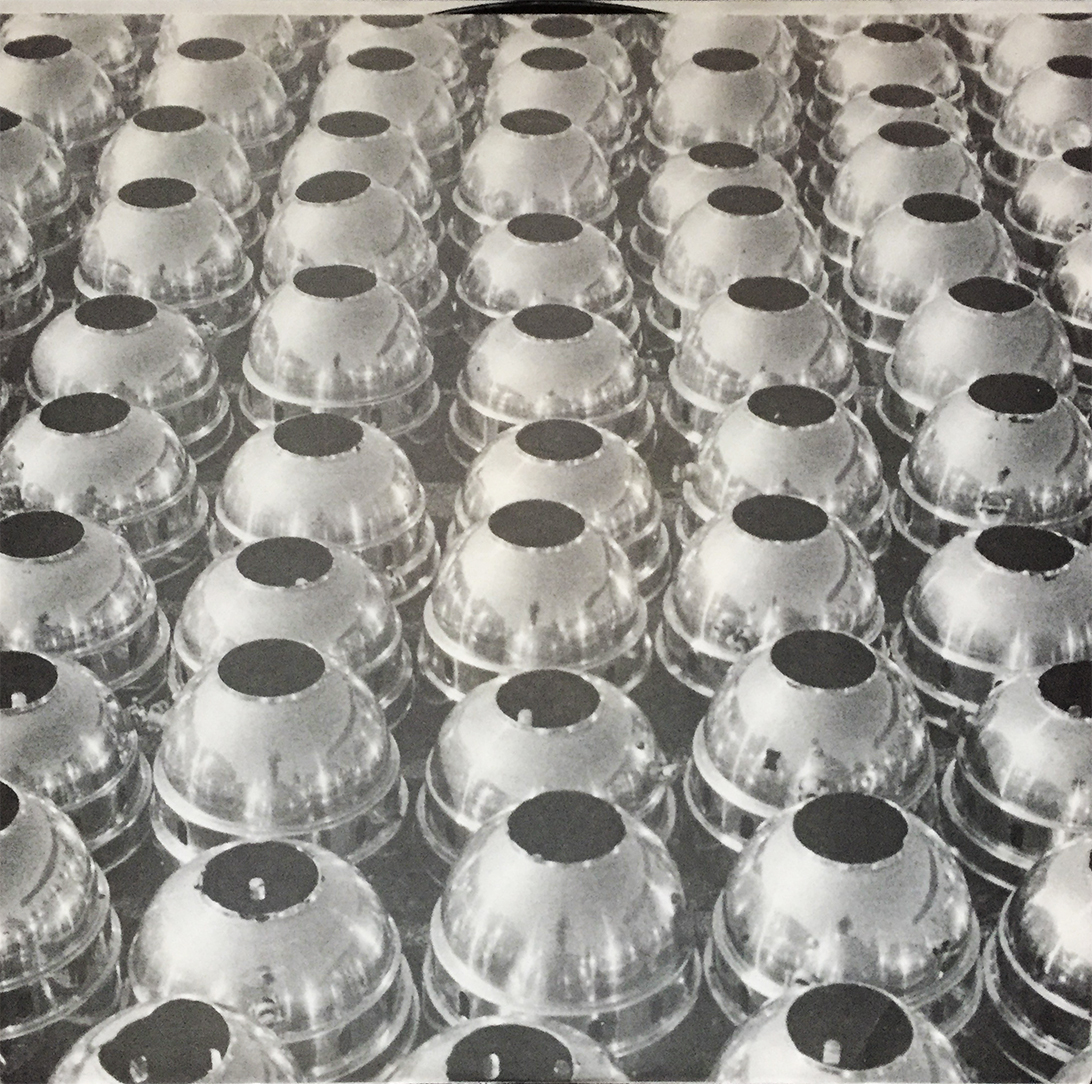 Complex simplicity… the oxymoron for the day. Warheads? Lamp shades? Or just the insert to Van Halen’s 1984 album, 1984. We see what we want, and often times, want what we see. Is this time one of those times? Well, you tell me. Cheers.
II
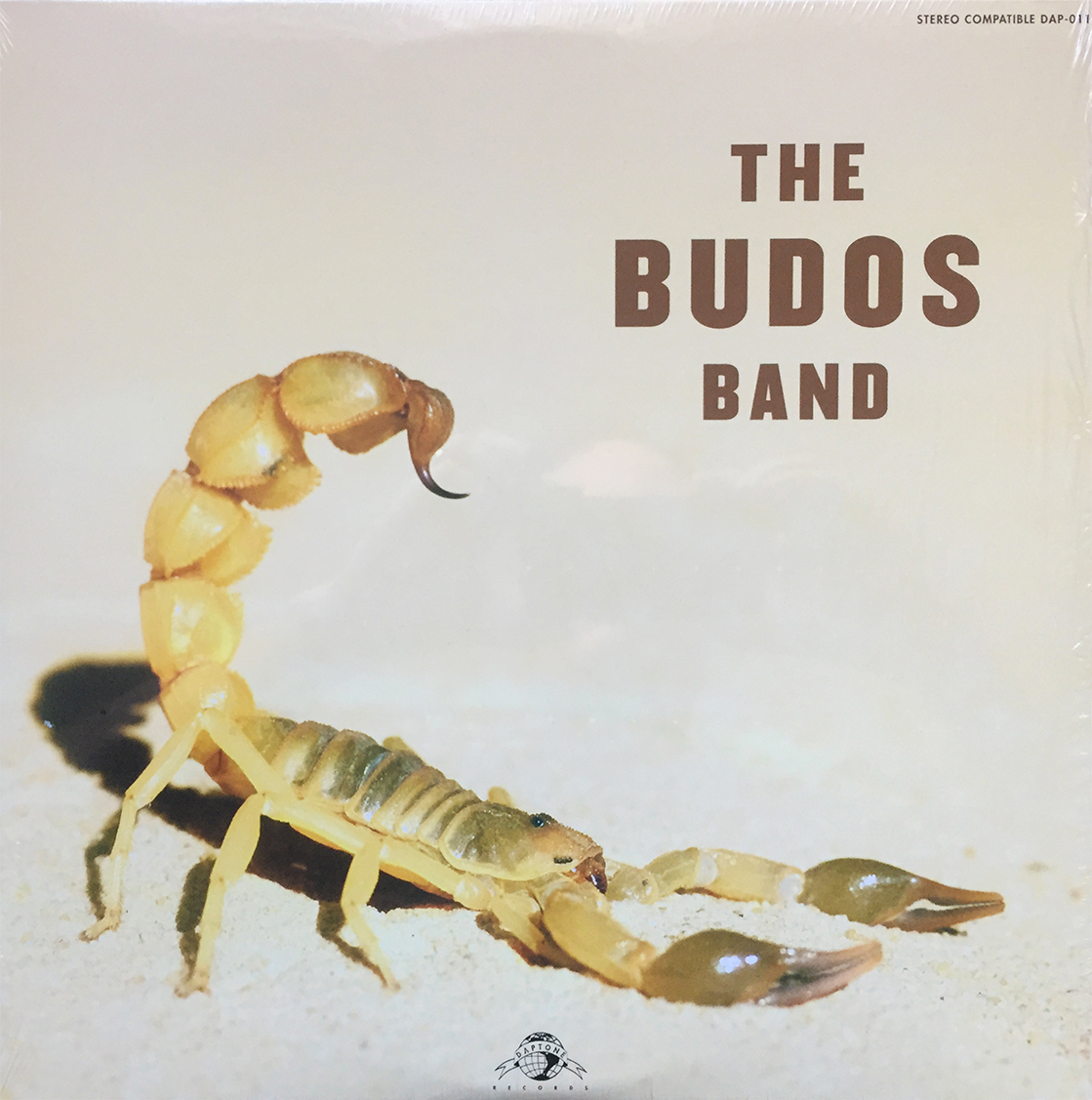 Daptone Records struck gold with The Budos Band. I, of course, have no Earthly idea in regards to their record sales, but I can honestly say that, up to my introduction to this collective onslaught (I believe it was 2010’s The Budos Band III, but I could be mistaken), I’d not heard any 12-piece sound this destructive, or this groove-heavy in any of my near four decades of aimless wandering. I’ve said this before, and somewhat recently, that one Budos is just as good, and to be honest, a bit similar, to the next, but when you’re into a good groove, you’re going to want to hold on tight to everything within arm’s reach. The Budos Band is exactly what was needed, when we didn’t even know we’d been searching. Presented here is 2007’s, The Budos Band II (7.6 review rating on Pitchfork).
Leer Ricks
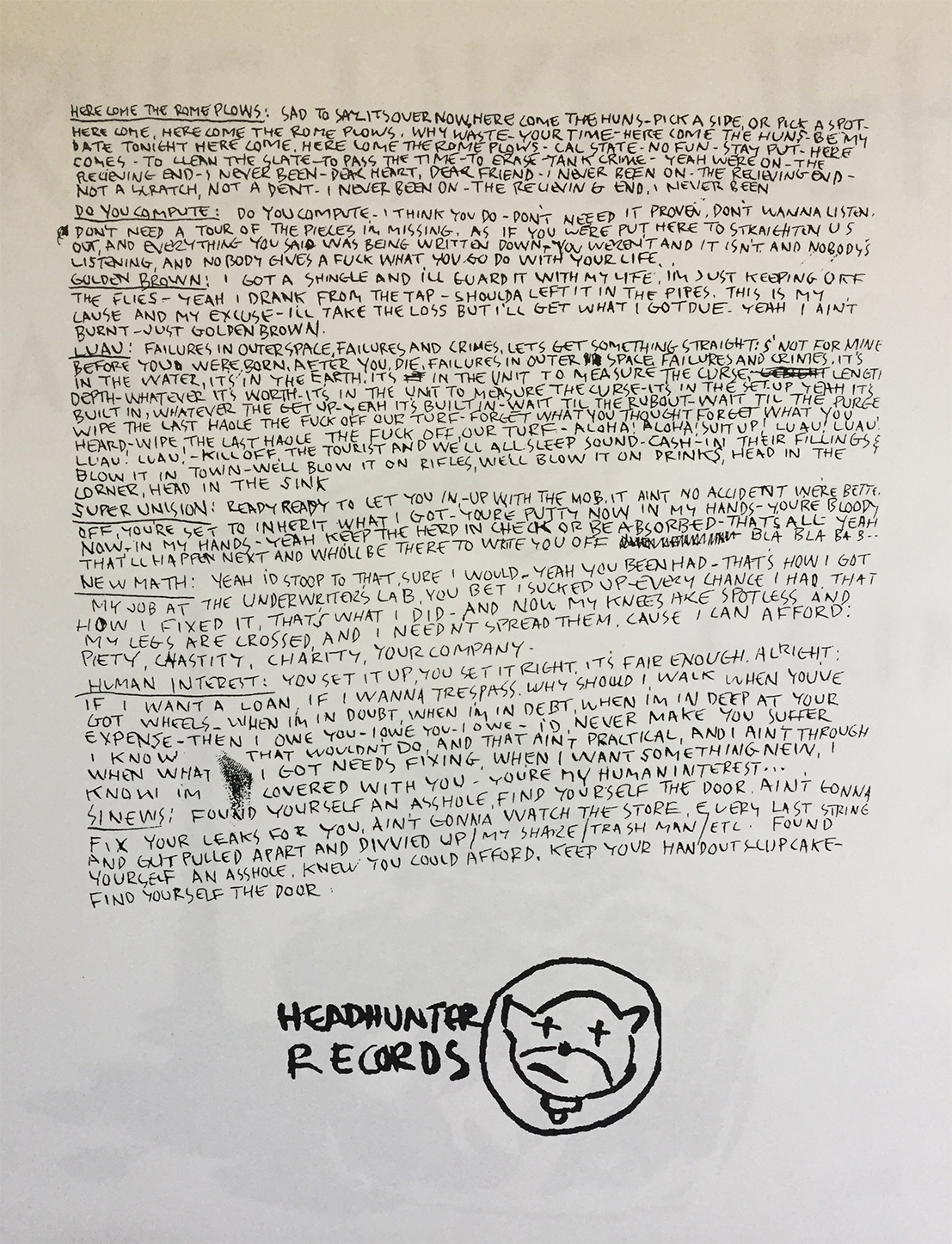 Procrastination has always been one of my strong suits. Next week, that will be neither here nor there. Presented here “today” is the handwritten insert, well, the copy of a handwritten insert to Drive Like Jehu’s 1994 math rock monument, Yank Crime. Like with most releases involving Swami John Reis (Rocket from the Crypt, Hot Snakes, Pitchfork, The Night Marchers, etc.), the lyrics to each song are painfully scrolled out in almost picture-perfect illegibility. While this gives a false sense of personal touch, it does weave together the incoherent and brilliant works of the mad genius that is Mr. Reis, and his merry band of mischief-seeking, and equally talented thugs. Yank Crime would be the 2nd of two albums that Jehu would release, and if you don’t already own it, make sure your used copy, if that’s your thing, contains this insert. If not, save the photo and print it out. You’re welcome.
Double Plaid
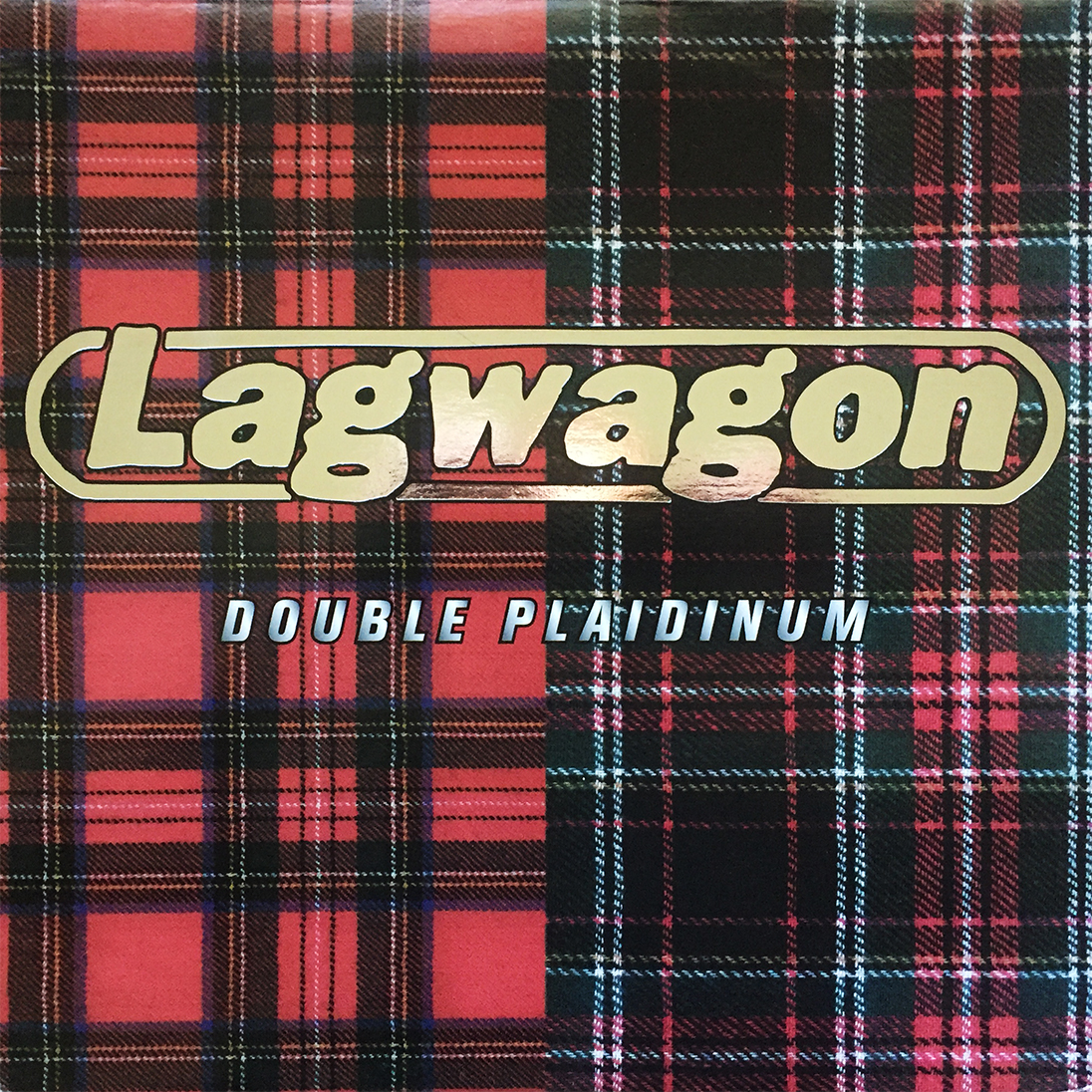 1997’s Double Plaidinum by Goleta’s pop-punk poster boys, Lagwagon, was the first release by the band that I shied away from. In retrospect, I’m not exactly sure why I outright abandoned this release, since I jumped all over 1998’s Let’s Talk About Feelings, and the 2000 master comp, Let’s Talk about Leftovers. Double Plaidinum just sort of, didn’t exist in my late teen years, and is sitting there today 1) as a reminder of how much of a completest I’m not, and 2) as a 21-year-old afterthought waiting to be discovered.
Discreet Pete
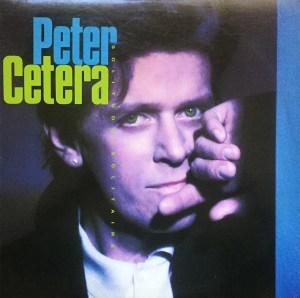 Peter Cetera’s first solo album after leaving Chicago (the band, not the city) was an enormous commercial success. It housed two #1 Billboard 200 hits (featuring the vocals of Amy Grant on The Next Time I Fall), was home to the Theme to The Karate Kid Part II, and even included the guitar work of Ray Parker Jr. on Wake Up to Love. If you’re looking for an immediate flashback to 1986, look no further than Solitude / Solitaire. You will not (likely) be disappointed.
One Love
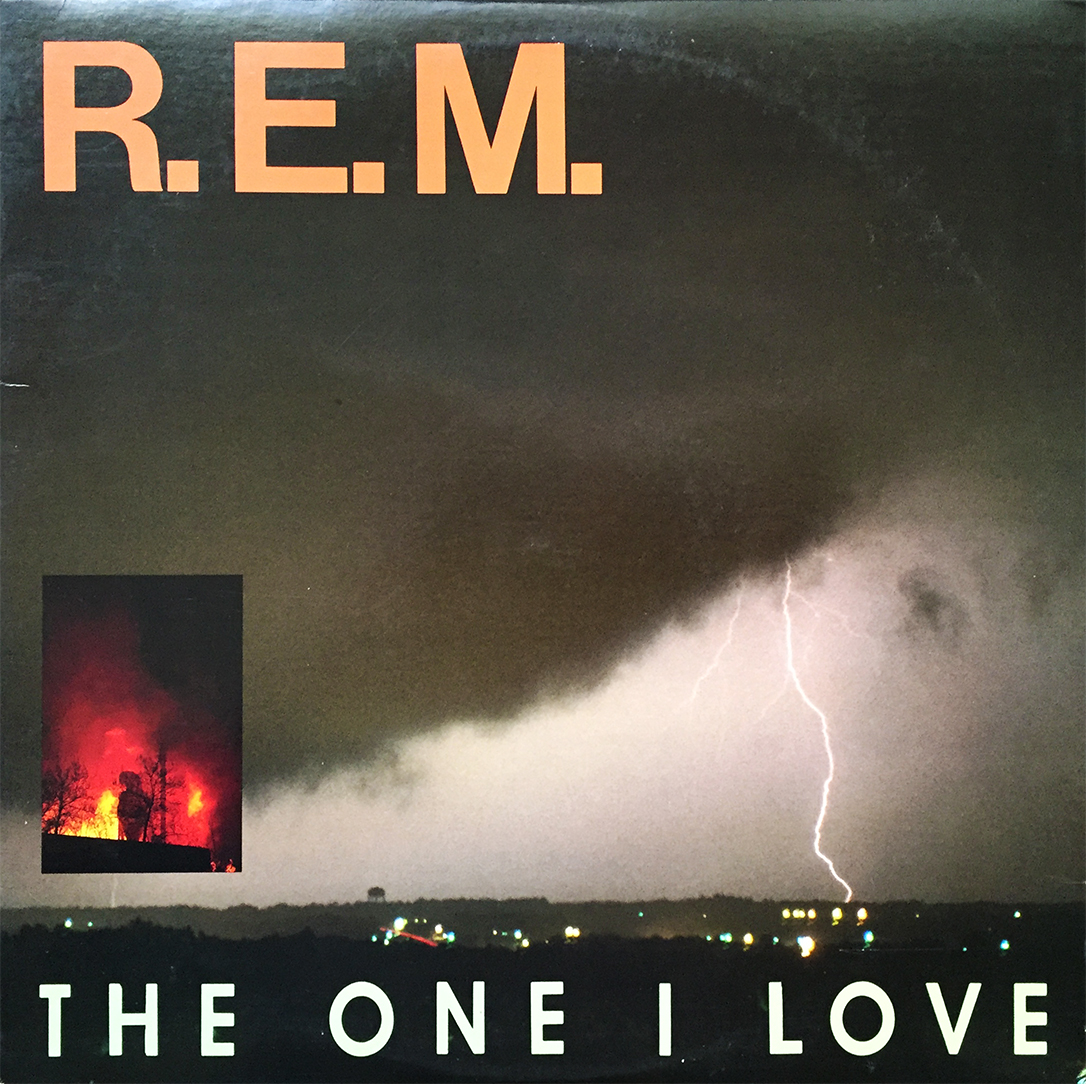 This three-track 12″ single from the glorious year, 1987, features R.E.M.’s first hit single with The One I Love (its A-side). A live version of the title track and Maps and Legends fill out the second side of this I.R.S. Records release. Fun fact about the video for this single. The Director of Photography was Food Network’s Alton Brown, well before you know, there was even a Food Network. Any way you serve it up, for your eyes or your ears, The One I Love is vintage 1987.
Wild Life
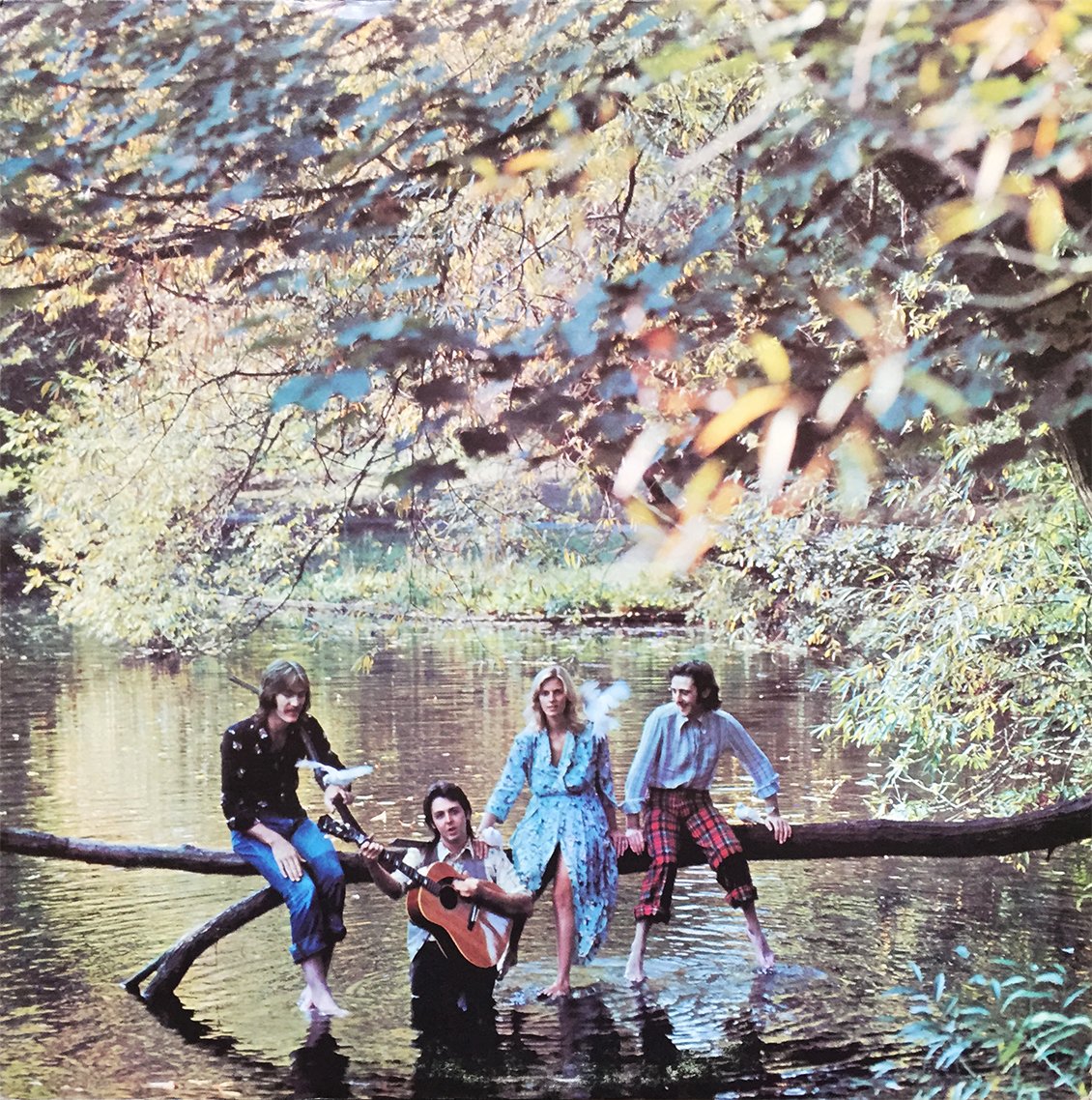 I’ll admit that I’ve only spun this album once, MAYBE twice, and I remember not thinking too much about it at the time. Wild Life was the third Paul McCartney release since the breakup of The Beatles, and was recorded with his wife Linda at Abbey Road Studios. It was released in 1971 to lukewarm reviews and is considered a haphazard offering from one of rock music’s most prominent front-runners. Listening to it again… it’s certainly an enjoyable spin, if somewhat unfocused and meandering, but still worthy of a respectful and deserving listen.
Budos III
 The Budos strike again with another collection of afrobeat heavy-hitters on their 2010 Junior offering, The Budos Band III. Little has changed between TBB, TBB II, and this album, but that’s perfectly fine. Why mess with a good and proven technique? If it ain’t broken… ya know?! Budos III, like the rest of their short library, comes highly recommended.
Fatty Music
 Fat Wreck Chords’ Fat Music Vol. IV: Life in the Fat Lane was released back in April of 1999 and contains some classic, pop-punk tracks from seminal Fat Wreck mainstays. Lagwagon’s May 16 to start it off, Road Rash by Mad Caddies, and San Dimas High School Football Rules by Indiana’s The Ataris. Presented here is a detailed insert featuring all the information one would need to get to know any and everyone one of the artists on this fun and playful compilation. Sometimes, information just simply laid out in black and white is the most effective and viable option.
Rocker
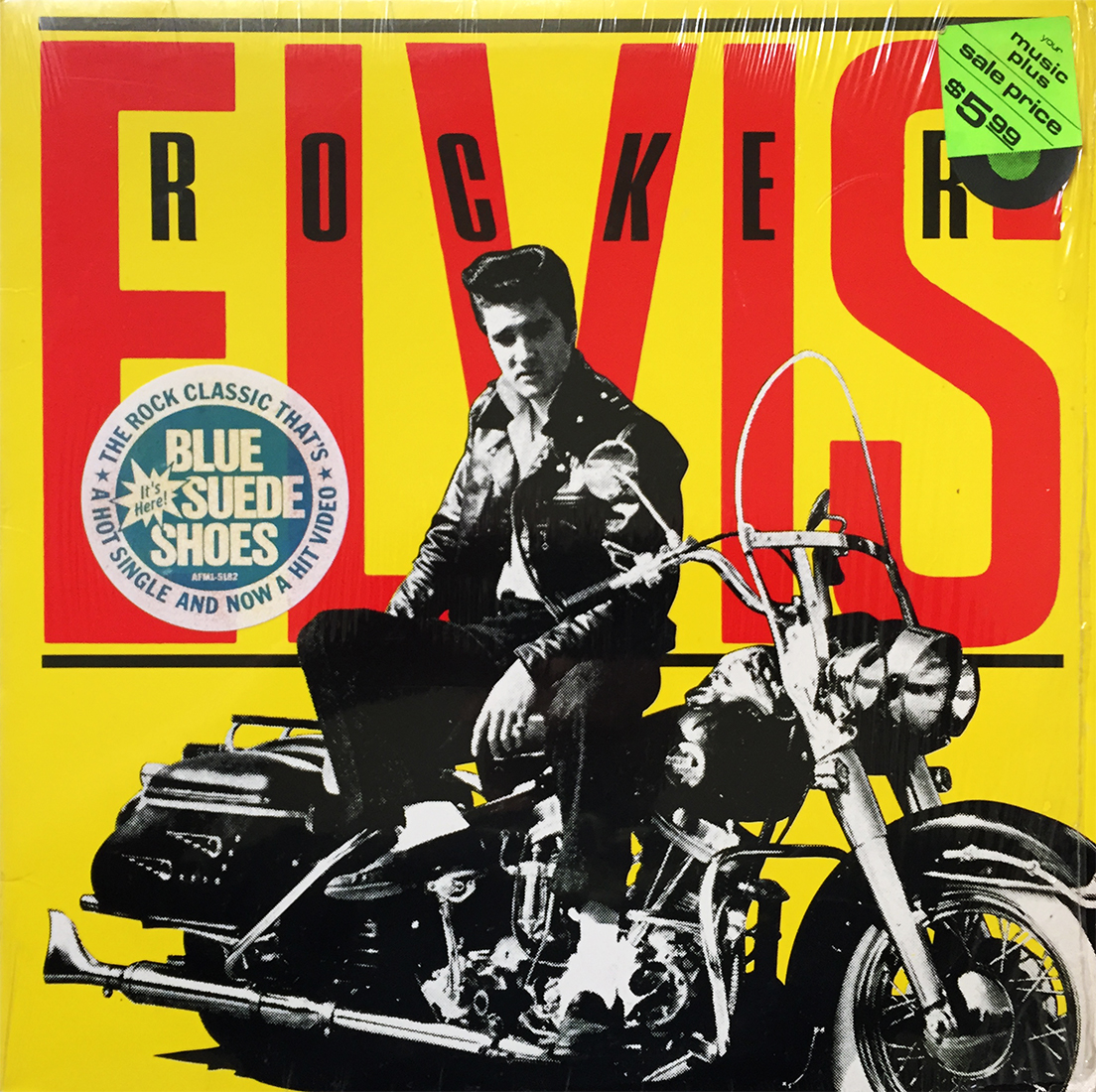 This 1984 RCA Records compilation of Elvis Presley material (originally recorded 1956-1957) is part of the label’s Elvis 50th Anniversary Series which is described by RCA as follows: “RCA is proud to present a series of releases designed to celebrate the 50th anniversary of the birth of the King of Rock’n’Roll – Elvis Presley.” Looks like RCA rereleased the bulk of Elvis’ early albums for this series, including his first two, Elvis Presley and Elvis. Rocker is, well, just that. Containing classics like Shake, Rattle & Roll, Hound Dog, Jailhouse Rock, and of course the Carl Perkins masterpiece, Blue Suede Shoes, it’s clear where label execs got the name for this heavy comp.
Atco Blue
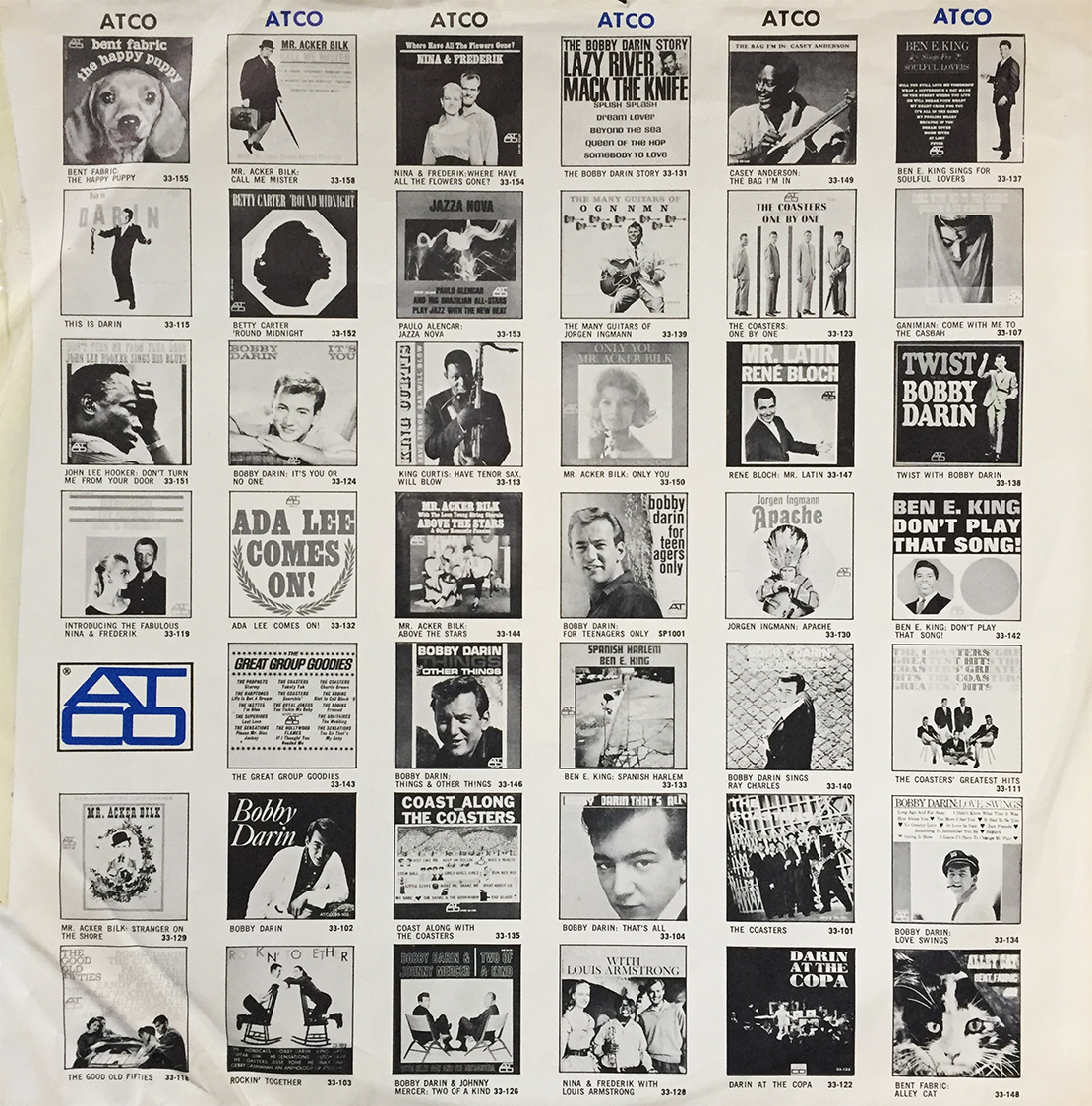 For pop leftovers, and overall items of quality that don’t necessarily fit “the norm,” look no further than Atco Records. Atco, and stop me if you’ve heard this, was used by Atlantic Records to shell out quality cuts by a variety of soul, blues, R&B, and jazz personalities starting as far back as 1955. Bobby Darin, Bent Fabric, John Lee Hooker, Ben E. King, and Betty Carter are just a few greats represented on this insert sleeve. As functional as it is informative, Atco inserts bring a great deal of history to a single printed sheet.
Red / Blue
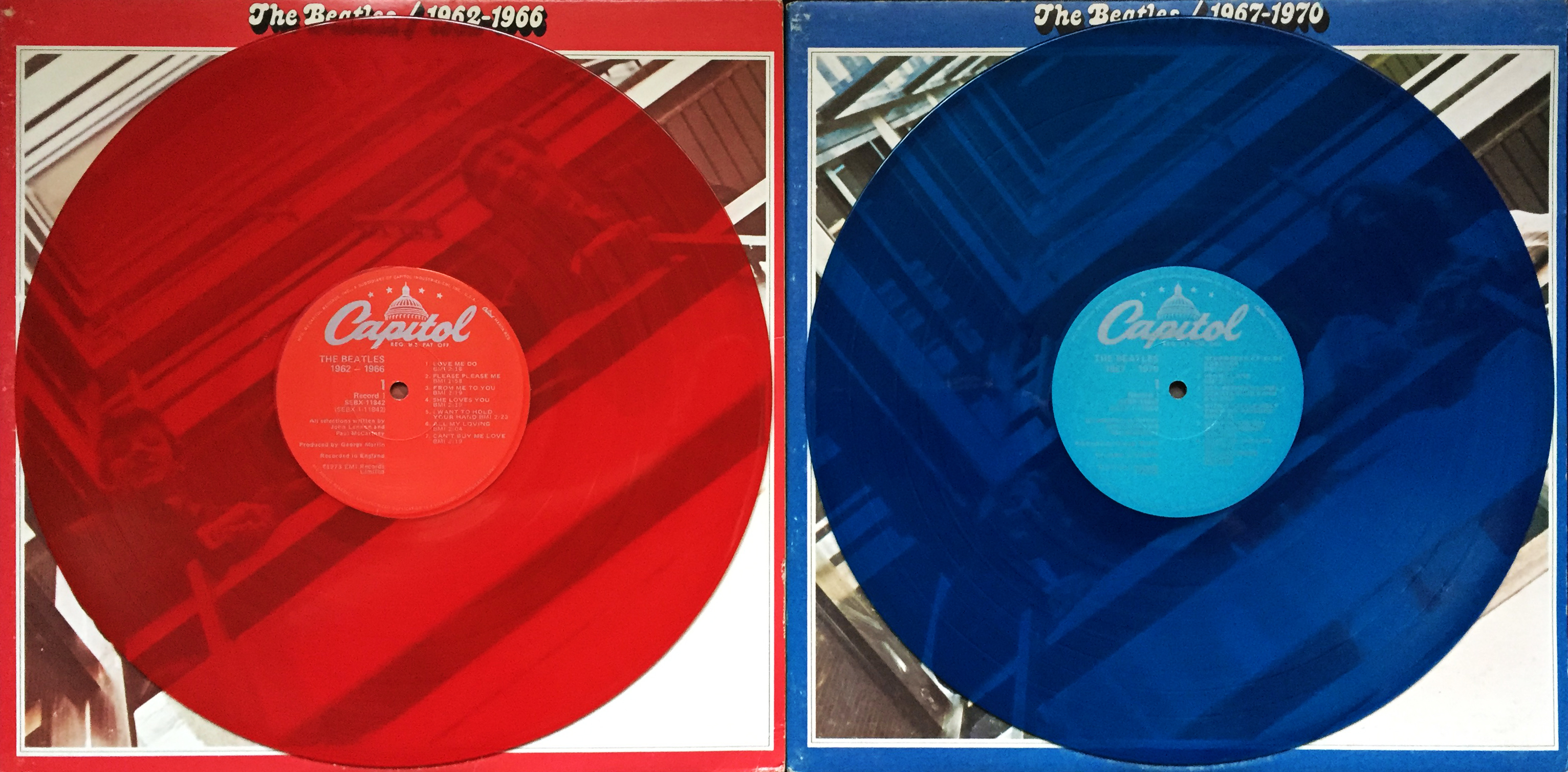 Red vs. Blue. Right vs. Left. Early Beatles vs. Later Beatles. Unfortunately, life is whittled down to these black and white decisions (red and blue in this case). Personally, I feel there should be a purple option, neatly fitting between the extremes. It’s all good, as far as I’m concerned, one side is just (arguably) better than the other.
Hank
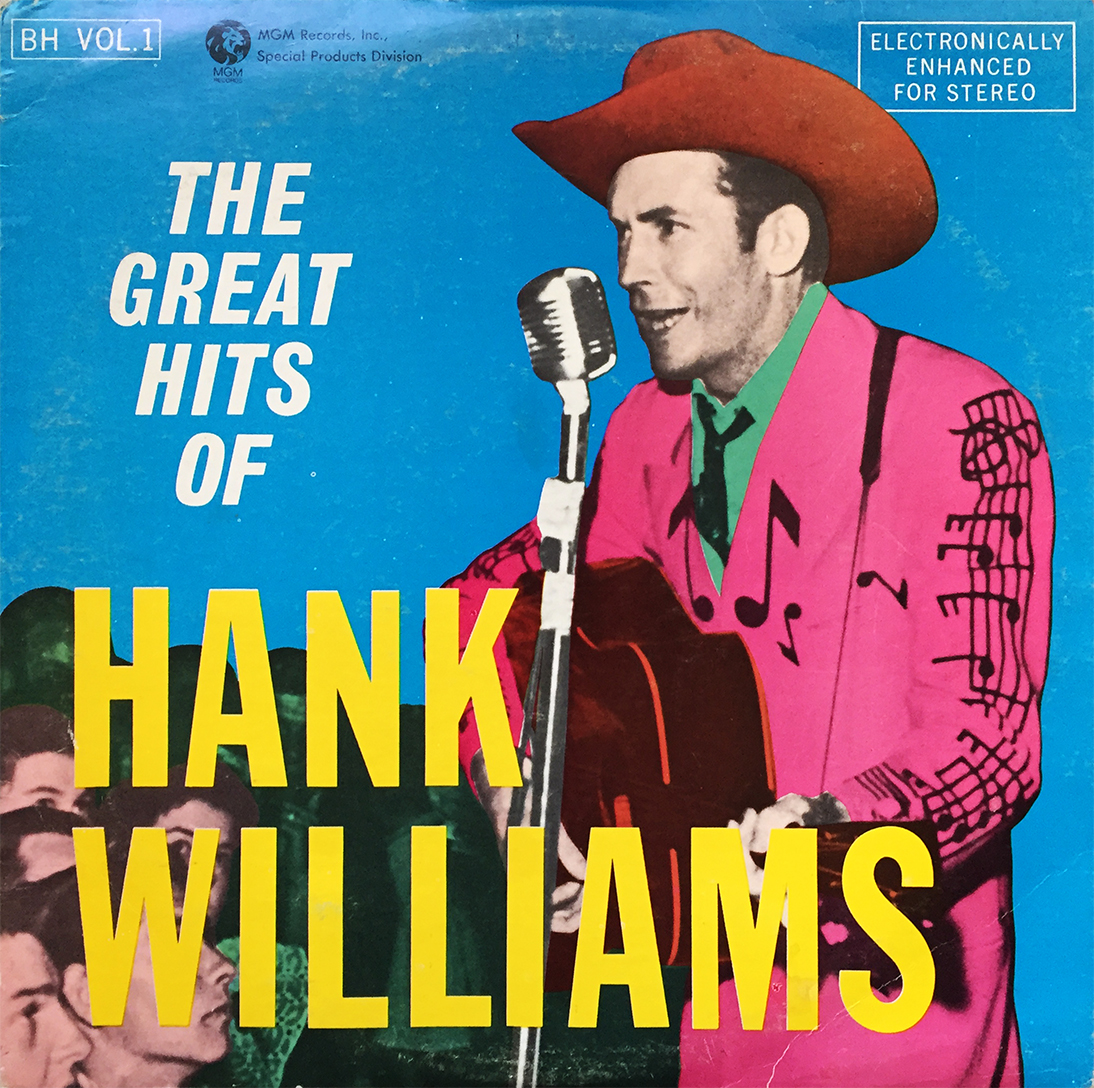 There are two covers to the Hank Williams (With His Drifting Cowboys) double LP comp, The Great Hits of Hank Williams. One, and presumably the original, was released in 1972 and features a brownish cover with an illustration of an acoustic guitar. Simple, yet directly to the point. This version, also released in 1972 by the same label with the same catalog number, features a hyper-colorful Hank singing into a badass, vintage microphone atop a sea of lookie-loos. To me, presented with the option, the decision is a no-brainer, but to each their own. All things considered, either would certainly suffice for a dirt-cheap double LP of original Williams essentials. It just dawned on me that I’ve already covered this album here, so consider this Chapter Two of the same story. Chapter Three to come in another four years when I’ve forgotten about Chapter Two.
Classical Gas(oline)
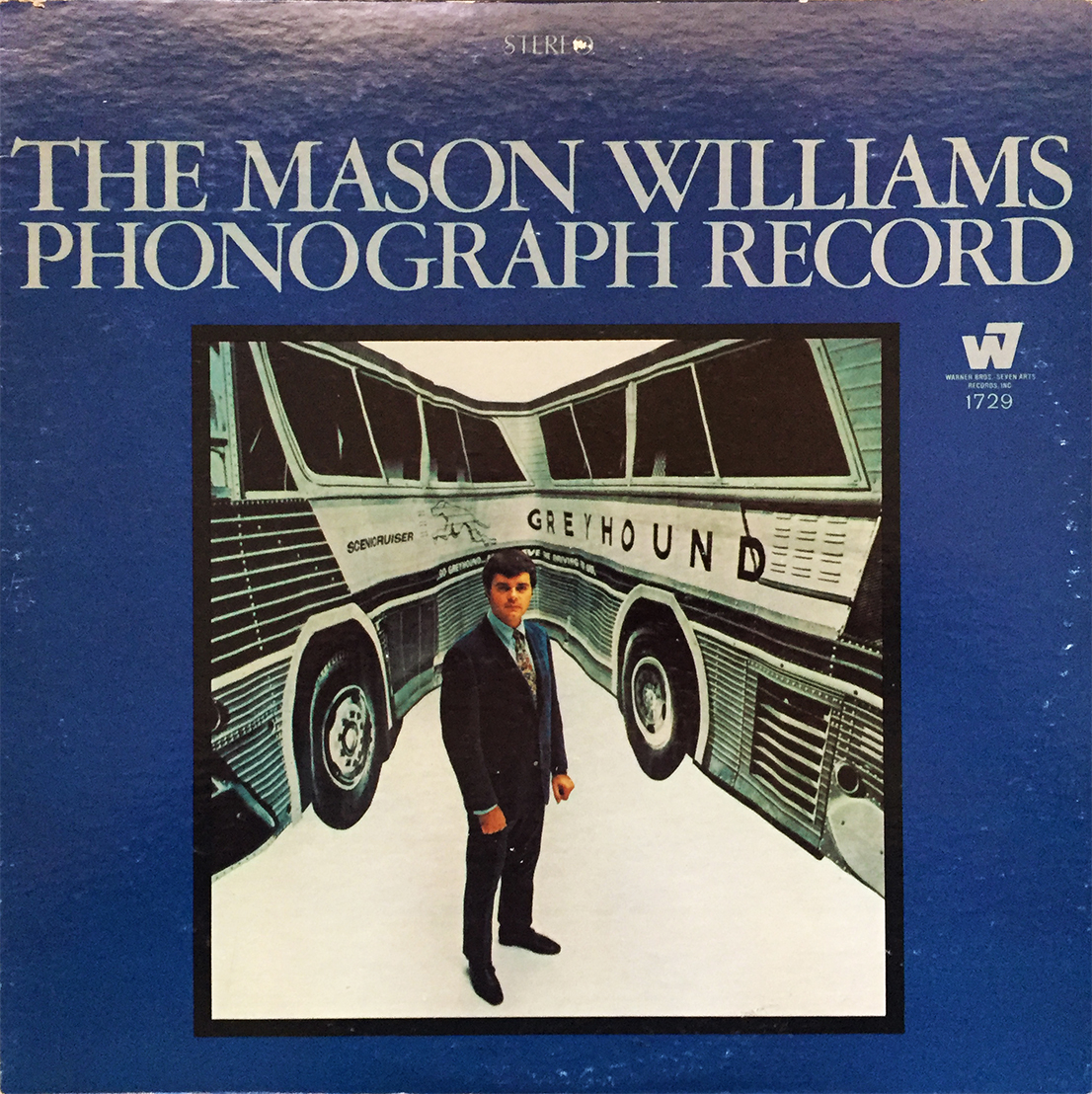 It’s the little things that uncover themselves, often without prompting, that make writing for The Groove so amusing. Mike Post, award-winning television theme music composer (famous for The A-Team, Magnum, P.I., Doogie Howser, M.D., CHiPs, Hardcastle and McCormick, NewsRadio, Quantum Leap, Hill Street Blues, L.A. Law, The Rockford Files, NYPD Blue, The Greatest American Hero, and of course, Law & Order) won a Grammy for Best Instrumental Arrangement for the playful, finger-pickin’ 1968 single by Mason Williams titled, Classical Gas. Mr. Williams, then the head writer for The Smothers Brothers Comedy Hour, would also take home two Grammys of his own for the song, which was originally titled Classical Gasoline (artistic and virtuosic fuel for classical guitarists). The track appears as the first song on side B of the featured album, The Mason Williams Phonograph Record (Warner Bros. – Seven Arts Records, Cat. No. WS 1729).
Nelson George on L.L. Cool J
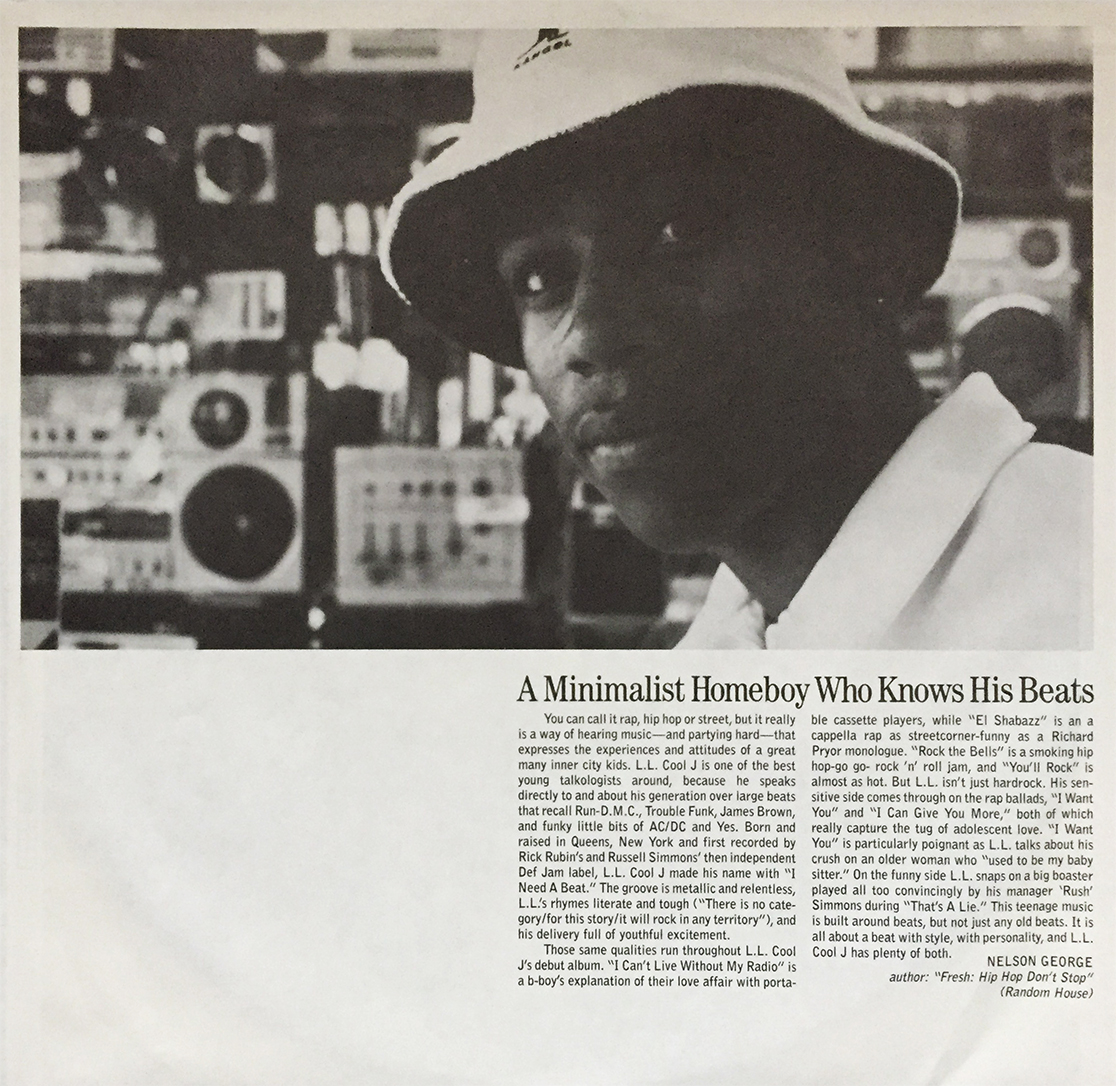 The inner sleeve to L.L. Cool J’s debut album, Radio is a pitch-perfect analysis of this (then) young man’s budding talents. Presented below, in its well-respected hilarity is the entirety of Nelson George’s take on the young L.L. Cool J. Enjoy.
———-
A Minimalist Homeboy Who Knows His Beats
You can call it rap, hip hop or street, but it really is a way of hearing music – and partying hard – that expresses the experiences and attitudes of a great many inner city kids. L.L. Cool J is one of the best young talkologists around, because he speaks directly to and about his generation over large beats that recall Run-D.M.C., Trouble Fun, James Brown, and funky little bits of AC/DC and Yes. Born and raised in Queens, New York and first recorded by Rick Rubin’s and Russel Simmons’ then independent Def Jam label, L.L. Cool J made his name with “I Need A Beat.” The groove is metallic and relentless, L.L’s rhymes literate and tough (“There is no category/for this story/it will rock in any territory”), and his delivery full of youthful excitement.
Those same qualities run throughout L.L. Cool J’s debut album. “I Can’t Live Without My Radio” is a b-boy’s explanation of their love affair with portable cassette players, while “El Shabazz” is an a cappella rap as streetcorner-funny as a Richard Pryor monologue. “Rock the Bells” is a smoking hip hop-go go- rock ‘n’ roll jam, and “You’ll Rock” is almost as hot. But L.L. isn’t just hardrock. His sensitive side comes through on the rap ballads, “I Want You” and “I Can Give You More,” both of which really capture the tug of adolescent love. “I Want You” is particularly poignant as L.L. talks about his crush on an older woman who “used to be my baby sitter.” On the funny side L.L. snaps on a big boaster played all too convincingly by his manager ‘Rush” Simmons during “That’s A Lie.” This teenage music is built around beats, but not just any old beats. It is all about a beat with style, with personality, and L.L. Cool J has plenty of both.
Nelson George
author: “Fresh: Hop Hop Don’t Stop”
(Random House)
 The Prudent Groove