1993: Porno For Pyros

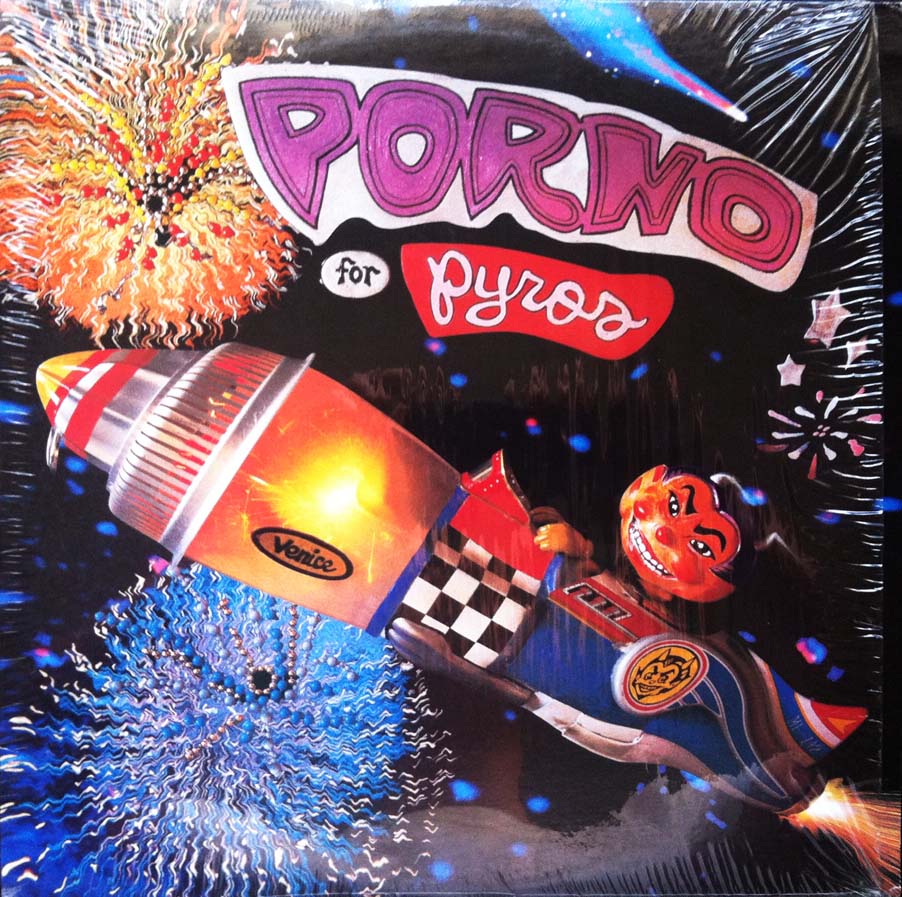
PforP CoverBy the time Porno for Pyros hit the streets in 1993, the world was still mourning the loss of Jane’s Addiction. Frontman, Perry Ferrell, assured the masses that his brash-brand of sleazy-slut-rock would continue on unabated, but would henceforth inherit a new title, Porno for Pyros.

Trying to figure out the meaning behind the title, Porno for Pyros, is like trying to tie your shoes with oven mitts on your hands. You can see the end result in your head, but damned if it’s not impossible to get to. People attribute too much meaning to things anyway, so I’m going to skip the meaningless meaning behind PfP, and continue on with my daily ramblings.

The music, not unlike a cloud of sadness, is loud, funky, rhythmically driven, and unmistakably awesome! There is a certain amount of solace that can be found in sadness, and it’s evident that Perry and crew tapped into that power for Porno for Pyros, because quiet frankly, it’s a pretty bleak album. Like a warm pair of socks on a cold, dreary day, or a calming breeze during those hot August nights, Porno for Pyros can abate your less-than-optimal mood, whenever it rears its ugly, yet familiar noggin.

NewA beautiful tie-dyed vinyl version was released just this past Saturday for Record Store Day. Limited to 1000 copies, this gorgeous record is going for up to $100 over at Discogs, so I hope you were able to brave the goofballs in line for a copy, because, it really is quite something.
1991: Cypress Hill

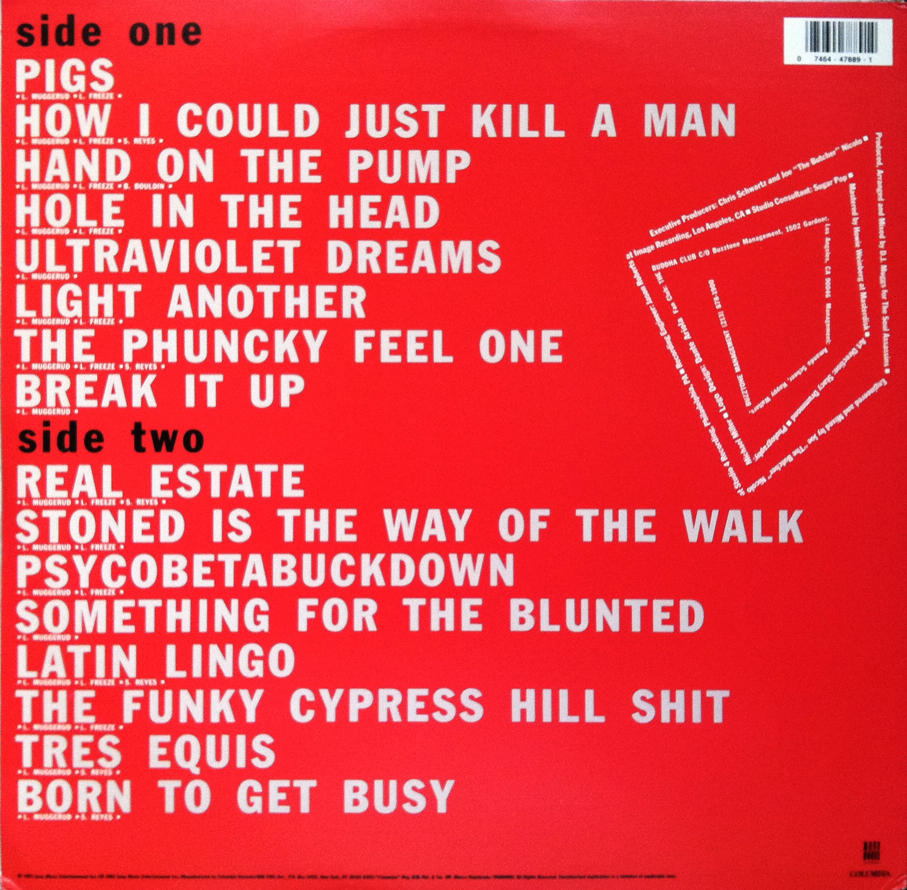
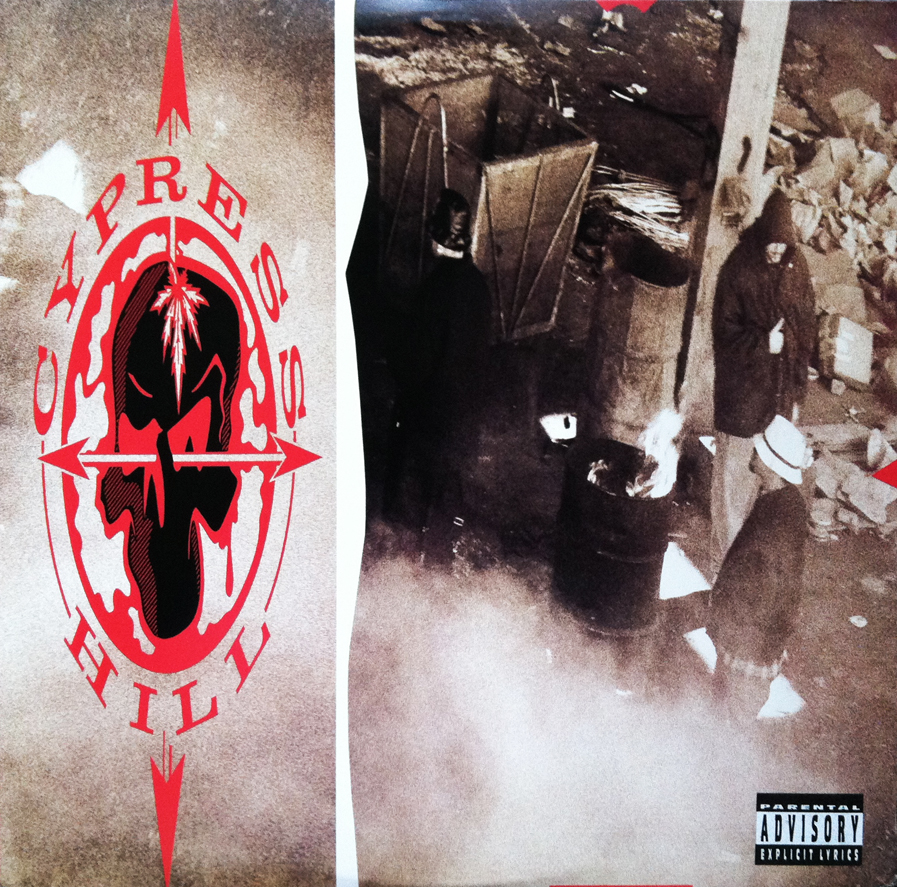
Cypress CoverCypress Hill was my single-handed introduction into the vast, unremitting world of Hip Hop music. I was a fair, Junior High student at a tiny school when introduced to this abstract genre (my graduating class was 63 kids… it sucked). Hip Hop as a whole is certainly not abstract, but when you grow up in a tiny town with tiny ideals and little room for any sort of outside thinking, it really didn’t get more abstract than Hip Hop (that was until I discovered AC, but that’s a post for another time).

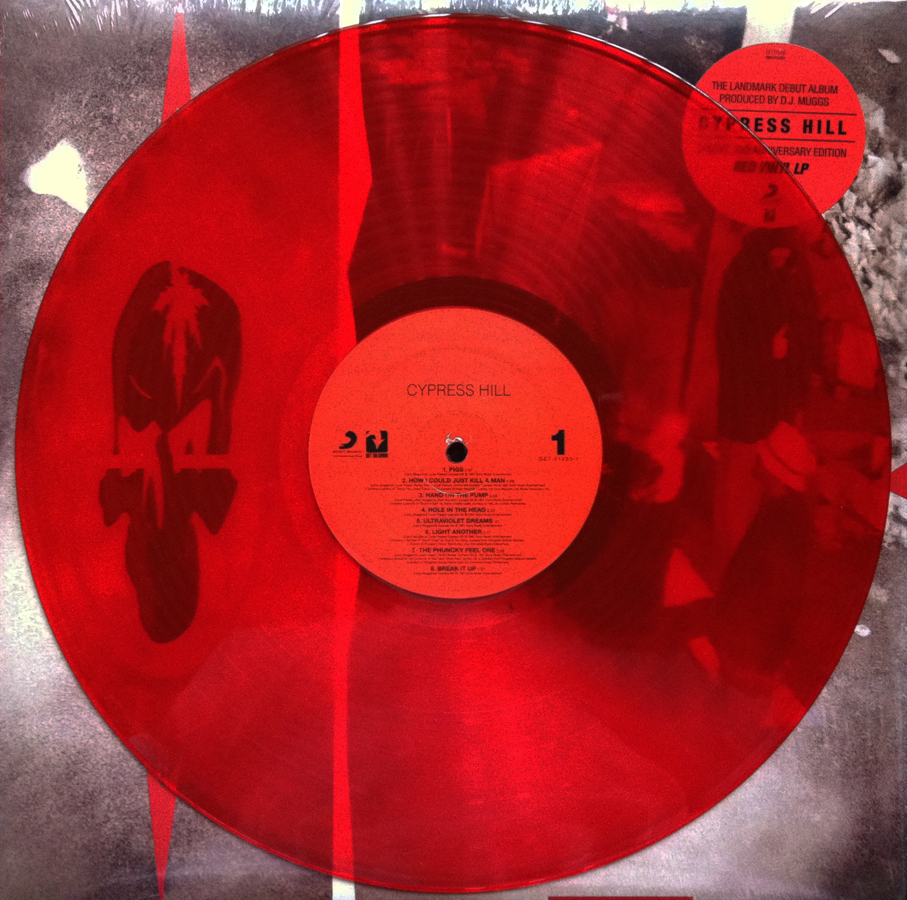
Cypress RedCypress Hill boasts of bongs, fat-jammy-blasts and brotherhood (a nice way of saying “gang”), while set to a Funk backbeat and fanatical lyrics. LA’s finest scored a fat sack with these 16 tracks, so much so that it was remastered and released on blood-shot-eye-red vinyl (this version) in 2011 for its 20th anniversary.

You see, cassettes were big in my day, and I’m now spending the bulk of my “adult” life acquiring my trophy albums on vinyl. It was while listening to this album in the school library, via Walkman (and split ear buds hidden inside the sleeve of my shirt), that a buddy and I got busted for listening to music in school. Not busted so much as yelled at, but it scared us from ever doing it again. It was at that moment when I realized that Cypress Hill were a troublemakers, and at the age of 12, that was a welcoming ally.

The music is straightforward, early 90’s, social-class-bending Hip Hop. There emerged a slew of outstanding Hip Hop albums during the few years spanning 1989-1993, and the tongue-in-cheek approach mastered by Cypress Hill on this debut set the high-bong-water mark.

Cypress BackCypress Hill isn’t considered Old School Hip Hop, but for me, and my friends who dove headfirst into this genre, there is no school older than the music produced during the early 90s. Cypress Hill would hit another homerun with their 1993 release, Black Sunday. After that they’d release six more albums, but they never matched the perfect blend of ENORMOUS beats, witty lyrics, and catchy one-liners.

Lala la la lala la laaa!

On Legal Speed (The American Way)

Lag FrontCoffee is a wonderful drug. Its stimulating warmth delivers that little bit of pep so often missing in the early morning hours… whatever you consider those “early morning hours” to be. If noon is early for you, good on ya’. I won’t judge. But I will ask that you save me a cup.

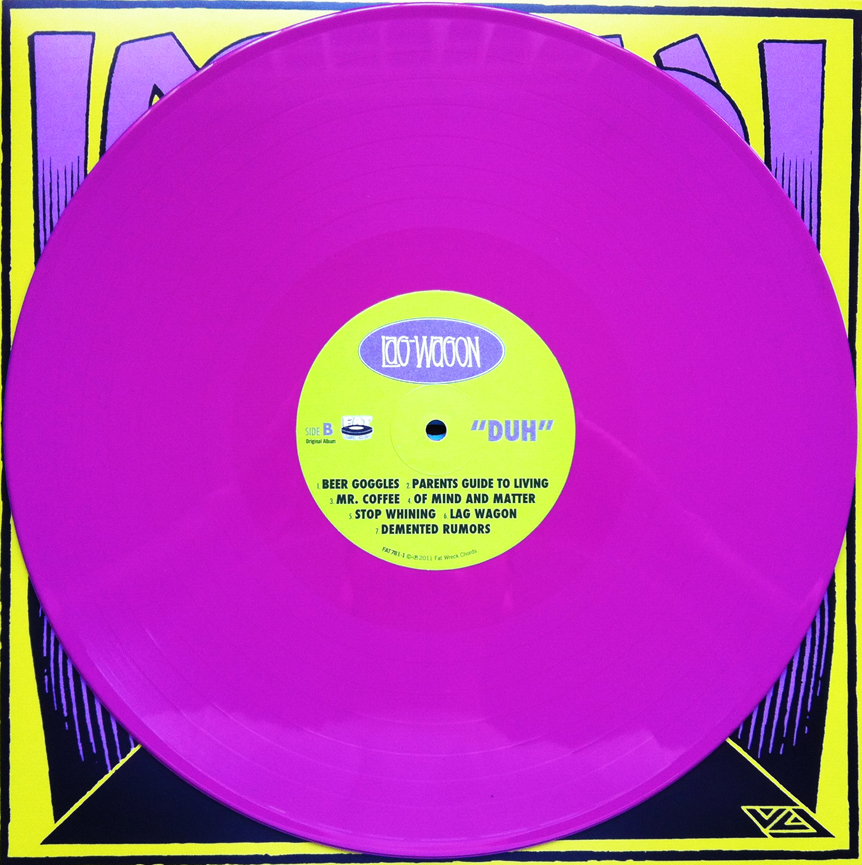
Lagwagon’s 1992 debut, Duh, is a metal-influenced-punk-long-player, featuring a Creedence cover, a melodic romp about the deceptive eyewear resulting from drinking too much beer, an aggressive interpretation of the Inspector Gadget theme, and most importantly, Duh fosters a vicious ode to the mastered art of straining hot water through ground up roasted coffea seeds.

Lag BackLagwagon’s Mr. Coffee provides the audio equivalent of orally consuming a hot cup of joe. With its rapid approach and short-lived tenure, it leaves the consumer wanting another two-minute and fifteen-second fix. Mr. Coffee has been an early morning favorite for me since discovering Lagwagon nearly 20-years ago (yes, I’m old).

There really should be more songs about the essential joys of coffee. Its importance cannot be understated.

Cleanliness is Next to Grooviness

PropGrowing up, Saturdays meant one thing: cleaning. Rain or shine, root beer hangover or not, when Saturday reared its ugly head, you knew, at the very least, you were going to clean the house.

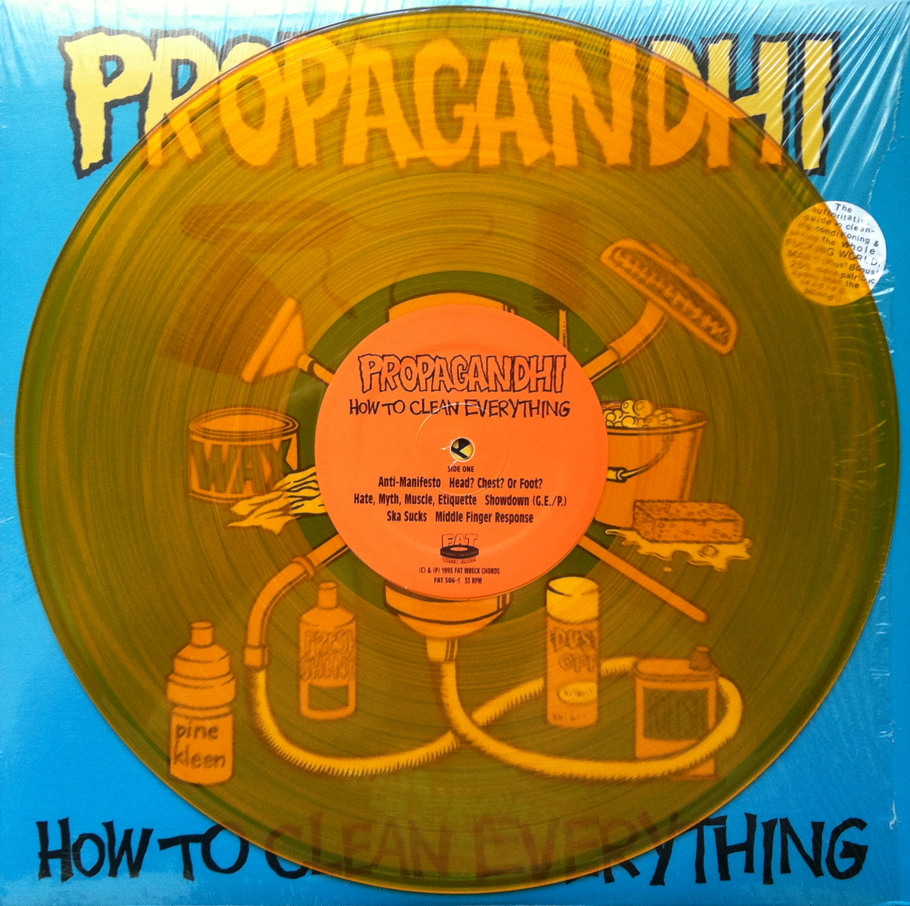
Sprouting from a household of three (my parents being the other two), we assumed the old “divide and conquer” strategy and cleaned the entire, two-story house. Now, as an adult shaped boy-child, Saturdays are STILL synonymous with cleaning. So, as my beautiful counterpart and I clean our pad, I suggest Propagandhi’s 1993 major label debut (if you consider Fat Wreck Chords a major label), How to Clean Everything.

It’s political pop punk from Canada, and it’s proven to make you clean faster. It’s also available on transparent gold vinyl, as you can clearly see (see what I did there?).

Blue Days, Black Nights

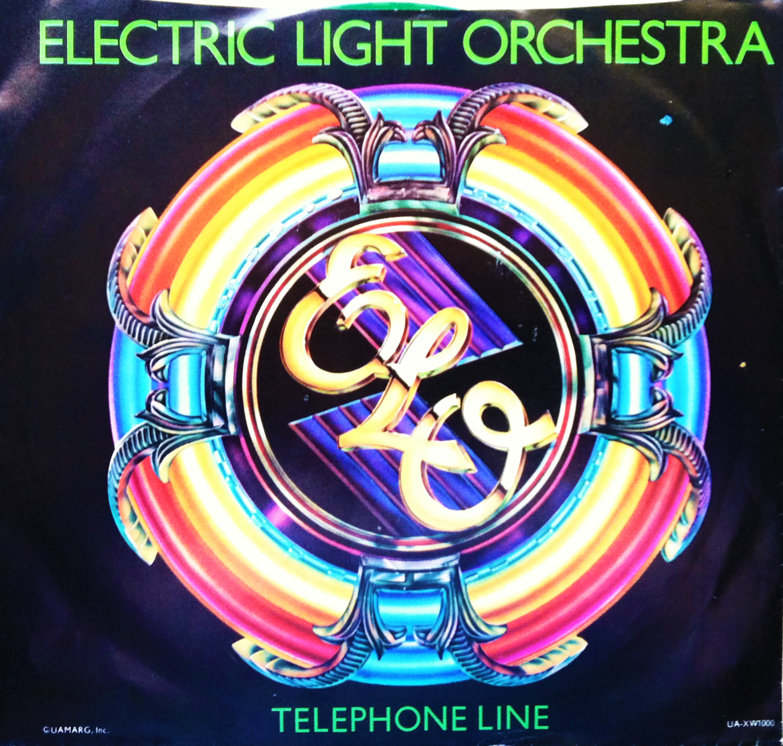
Telephone Line CoverNobody ever outgrows his or her ELO (Electric Light Orchestra) phase. I certainly see no need to pull the electric plug, switch off the light, or tell the orchestra to go home (take your pick).

Kicking off with a spry, ethereal bleep followed by the vacant ringing of a telephone doomed to be acknowledge, Telephone Line is a lulling journey through the sung cries of our hero (Jeff Lynne) as he attempts to regain contact with a former lover, but you know, told amongst a charming bed of orchestral Rock ‘n Roll accompanied by elegant back-up vocals.

Telephone Line is a sad tale of that (oh so familiar) slow burn that inevitably comes when the love between two treasured sweethearts fades away, only to die a slow, excruciating death while both parties curse the heavens in complete emotional anarchy. I’m over it now, but there was a time when this song hit home a bit too aggressively.

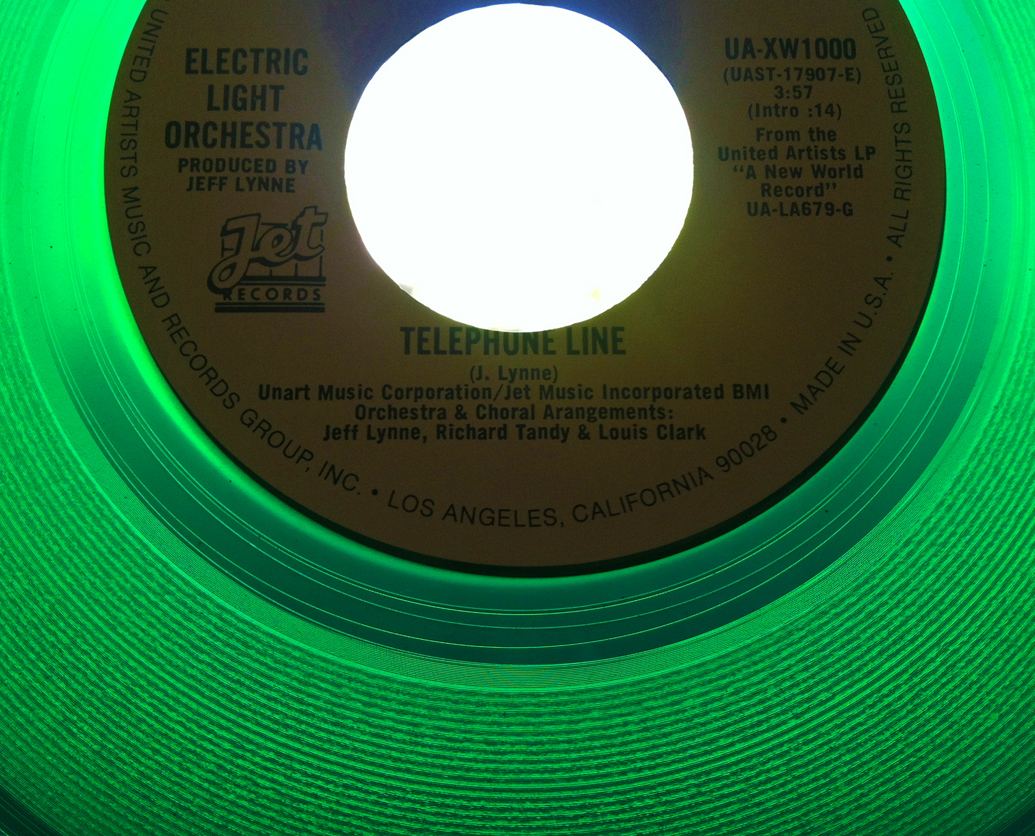
Telephone Line is from ELO’s monumentally successful 1976 album, A New World Record. This single however was released on green vinyl in 1977. If you’ve ever heard ELO, chances are you’re hooked. If you haven’t, (WHAT THE HELL ARE YOU WAITING FOR?) I’d humbly suggest starting with A New World Record and its awe-inspiring single, Telephone Line.

Telephone Line Green