XXX

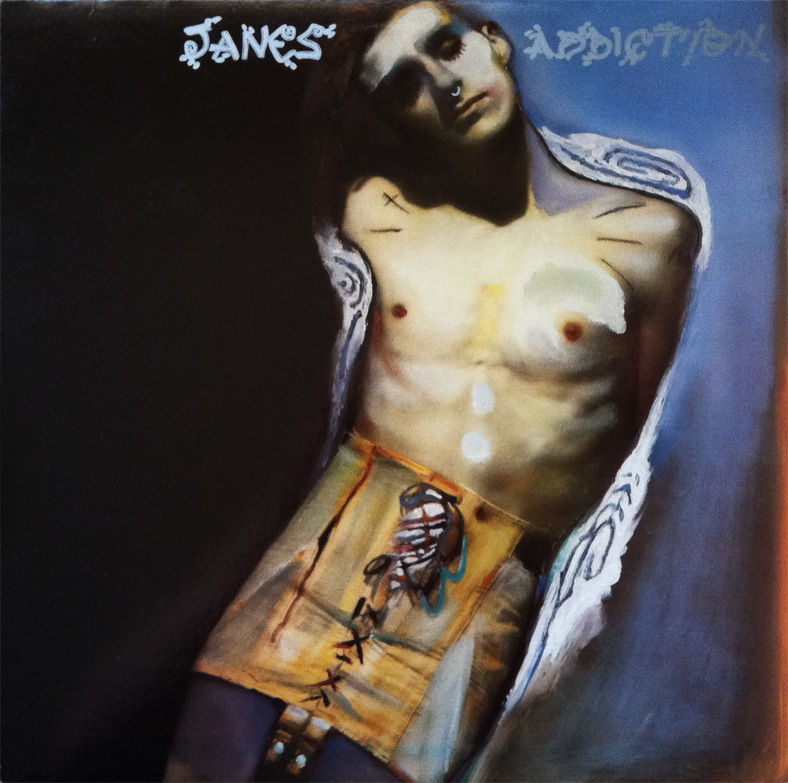
XXXThe debut album by Jane’s Addiction didn’t set the streets of Los Angeles on fire quite like 1988’s Nothing Shocking, or 1990’s Ritual de lo habitual. That is certainly not to say this (slightly doctored) live album doesn’t hit the needlepoint highs that the band is globally known and rewound for.

Jane’s Addiction, XXX, or Triple-X (whichever you prefer), is a great start, but barely measures up again the bands (only) first two albums. The rest (2003’s Strays and 2011’s The Great Escape Artist) is financial fodder.

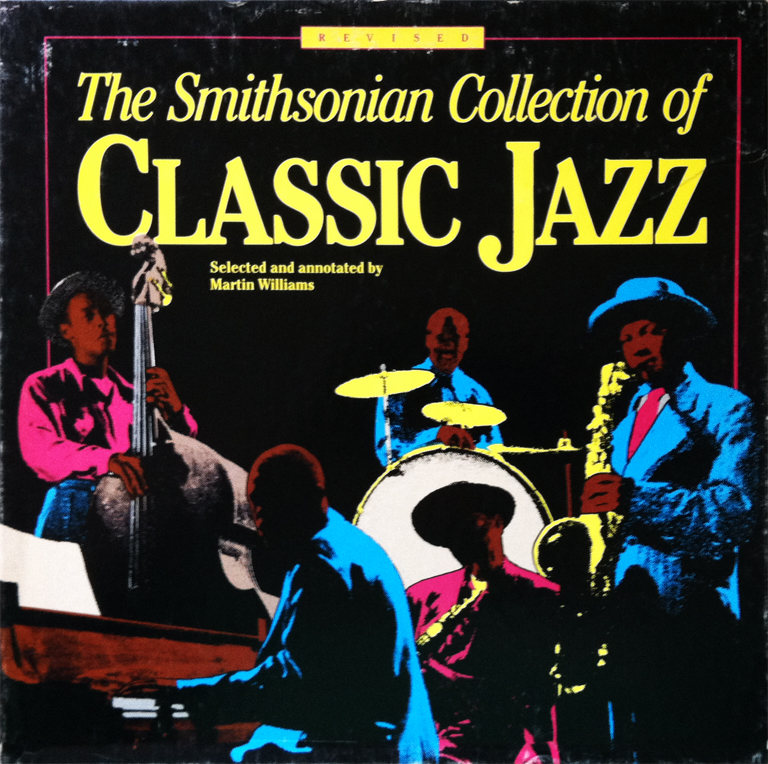
14 Sides of Commercial Jazz

Smith JazzThis 7-disc classic Jazz comp by The Smithsonian Collection is a beast to tackle. Heavy on the Louis Armstrong and Duke Ellington, these 14 sides offer a grand overview of the weighty sphere known as Jazz, but with the scope of a bullet-pointed-casual-observer only seeking out the top 40 hits.

As I understand it, and I’m sure I’m wholeheartedly incorrect, Jazz is an organic entity that exists only as a deviation from the norm, until it became it. Like the Blues, Jazz is my most distant musical relative, but that doesn’t make The Smithsonian Collection of Classic Jazz that much less enjoyable.

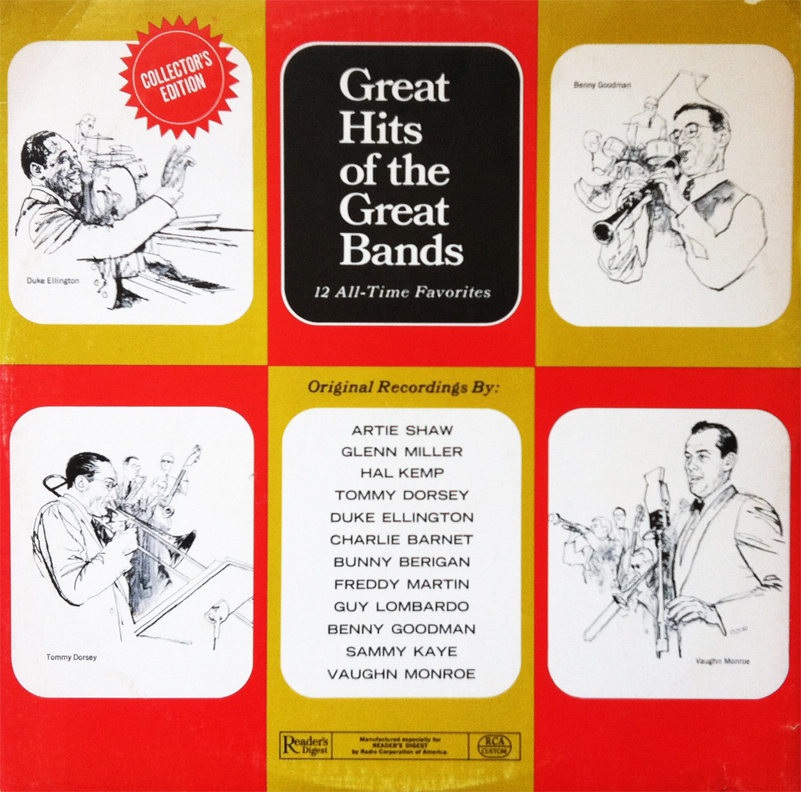
Great Hits of the Great Bands

Great HitsFile this mistake under, “adolescent oversight.” This is as much an edition for collectors as the New Edition is a rival for most influential band of the 80s. You see, in 1997, big band music was big; at least it was where I grew up. It was a nostalgic glimpse into a well thought-out hoax, perfect to rival the Macarena and Aqua’s Barbie Girl. Commercial radio was sick-to-your-stomach-painful in the late 90s, and my overexcitement for something… ANYTHING different proved to be the better of me.

I had, in my faded understanding, neglected to grasp the fact that Great Hits of the Great Bands wasn’t a proper, cohesive release. I’d recently contemplated offering it up to the corner thrift if it weren’t for the sentimental value it (lethargically) held, but instead, I’ll keep it show the very simple, yet painful fact that very, very little has changed in the past 17 years.

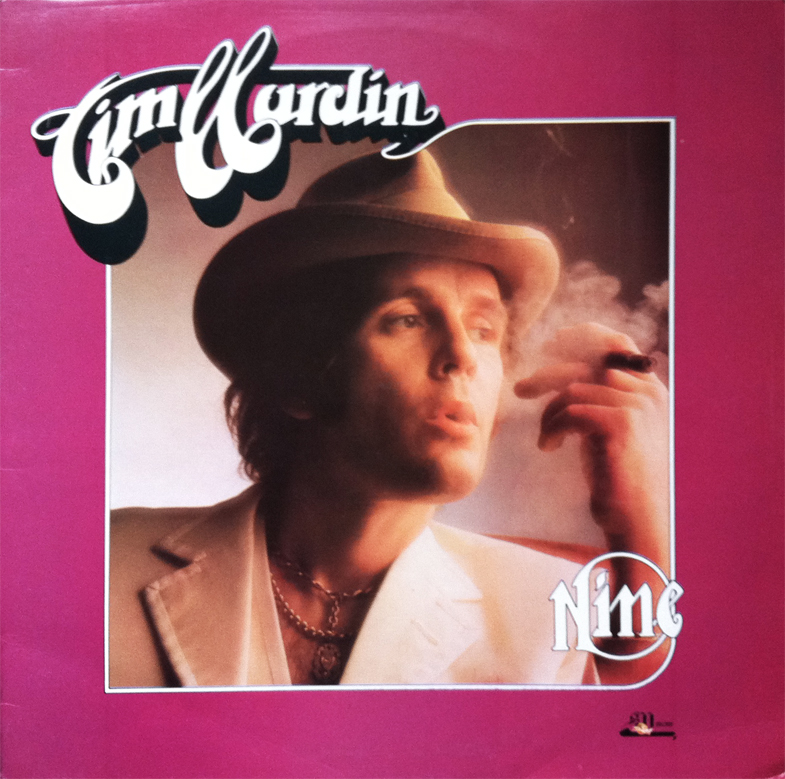
Nine, from Phase Three, to Phase Four

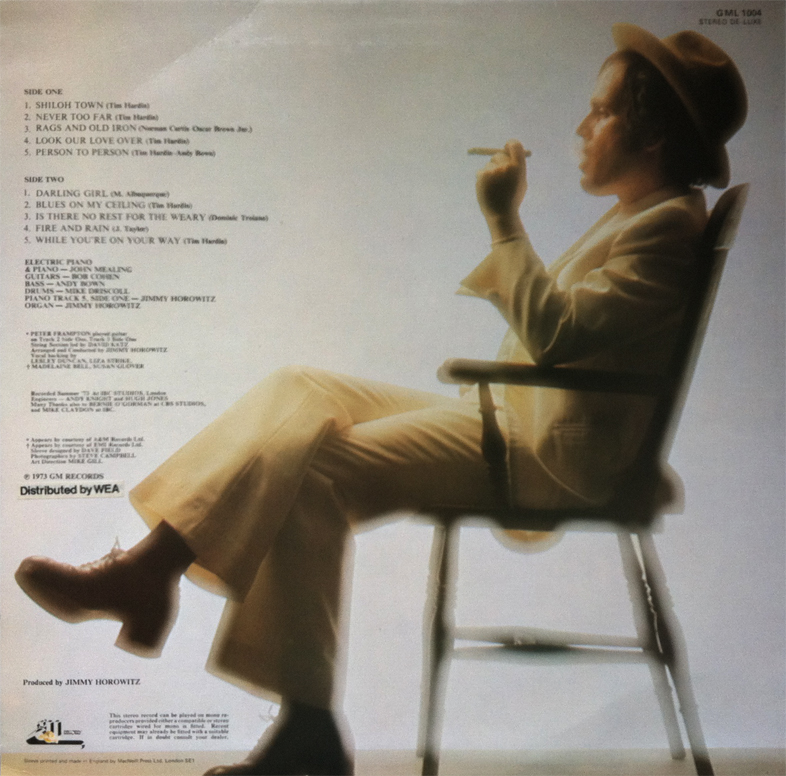
NineBecause the only way to stop a Tim Hardin train from derailing is a head-on collision with a low-hanging bridge of fate (and that can mean whatever the hell you want it to mean). My latest obsession is now in its third phase of its (six-part) metamorphosis, the phase I call, “The Later Works of Tim that Didn’t Sell Very Well, and That are Generally Difficult to Find.”

Nine_BackThe next phase, phase four, is “Formal Completion of Tim’s Studio Albums,” which will kick into gear as soon as my 1970 copy of Suite for Susan Moore and Damion arrives at my doorstep (likely within seven days). The later albums, I’ve come to find, offer much more sentimentality than Tim’s earlier efforts, but still maintain that biting cleverness and songwriting craftsmanship that demand constant and continuous play.

I’m in a Tim Hardin-sized coma, and I hope I never open my eyes again.

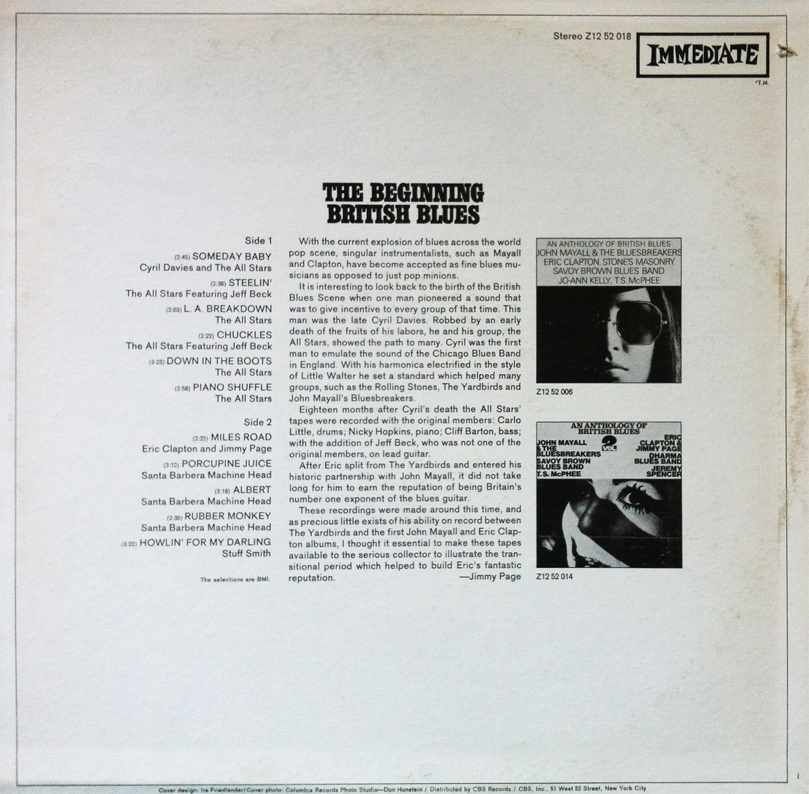
The Backside to British Blues

Brit_BackPartially because I was too busy to snap a pic this morning, and partially because the importance of this “happened-upon” comp LP is the newest in my collection, I’ll milk the blues from this dry cow, and complete the front/back circle and, once again, suggest its esteemed seeking out.

If an endorsement by Jimmy Page isn’t enough… an endorsement by Jimmy Page should be damn well enough.

Beg Bri Blu

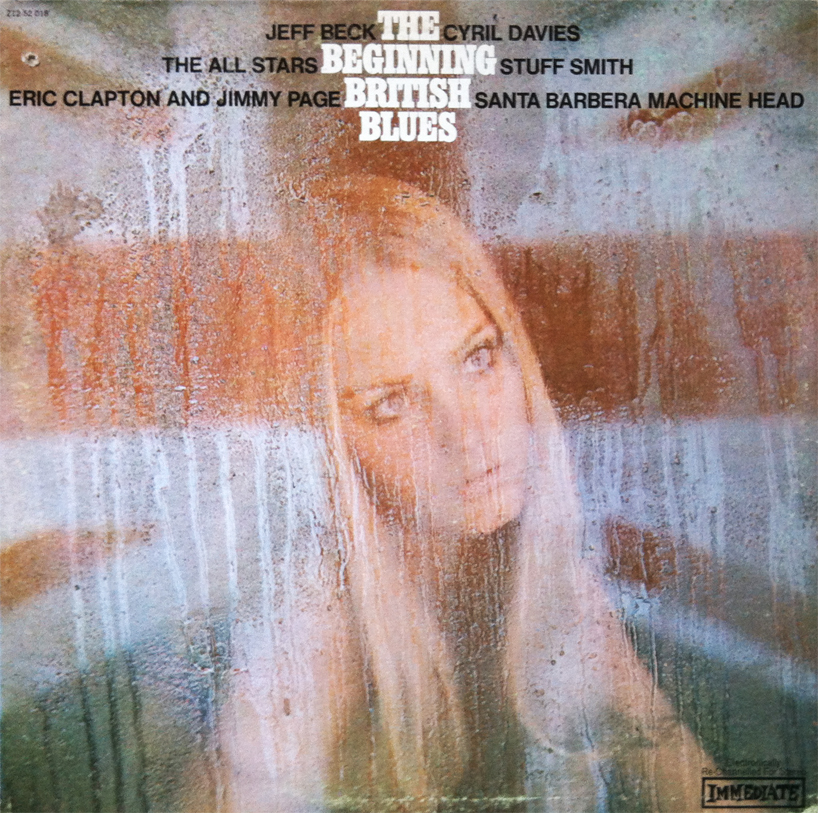
BluesCover distracted, ditsiness aside, The Beginning British Blues is a hint of British Blues history the laypeople (especially including myself) may not have otherwise been hip to. Bridging the Eric Clapton gap between The Yardbirds and Cream, the momentary glimpse of Clapton’s collaboration with John Mayall & the Bluesbreakers seems to be the bulk of the focus here. With back sleeve write-up by Jimmy Page (together with Miles Road, a duet with Mr. Clapton), The Beginning British Blues is a hidden treasure of historical significance, something this guy here just discovered he needed to possess.

Best Always, Michael McDonald

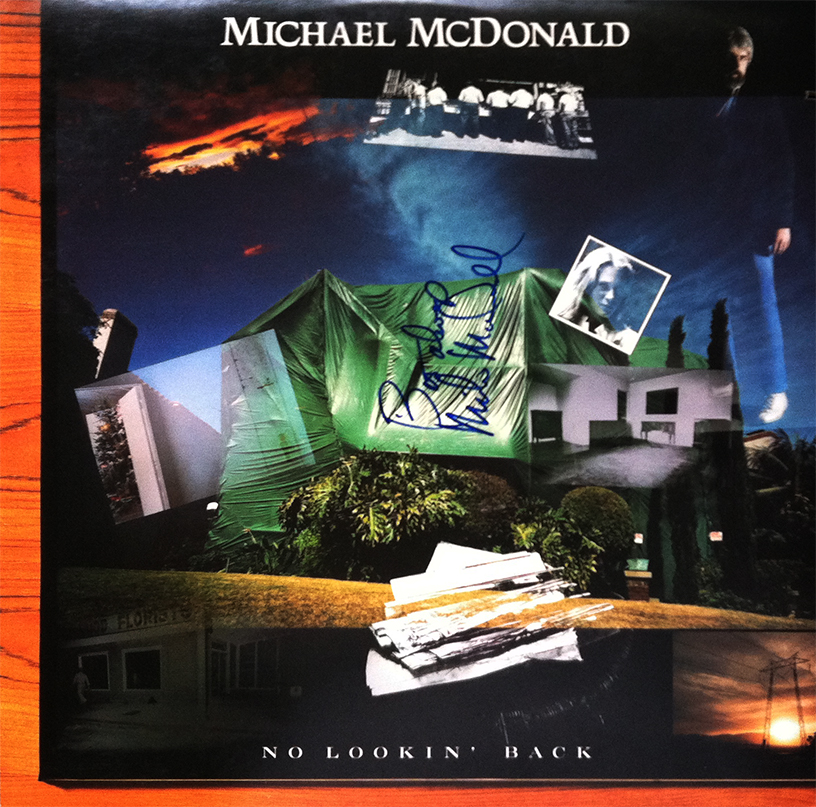
McDForged from a life-changing experience by some burned-up Doobies fan, this pristine copy of Michael McDonald’s 1985 album, No Lookin’ Back, rested perfectly, like a low hanging piece of musical fruit, amongst the drab and questionable murk at a Goodwill in the San Fernando Valley. Sandwiched between Art Garfunkel’s Angel Clare and Herb Alpert & the Tijuana Brass’ What Now My Love (neither of which resemble drab or questionable murk) sat this relic gem, and in less than 10 minutes, and for only $0.95, it was mine.
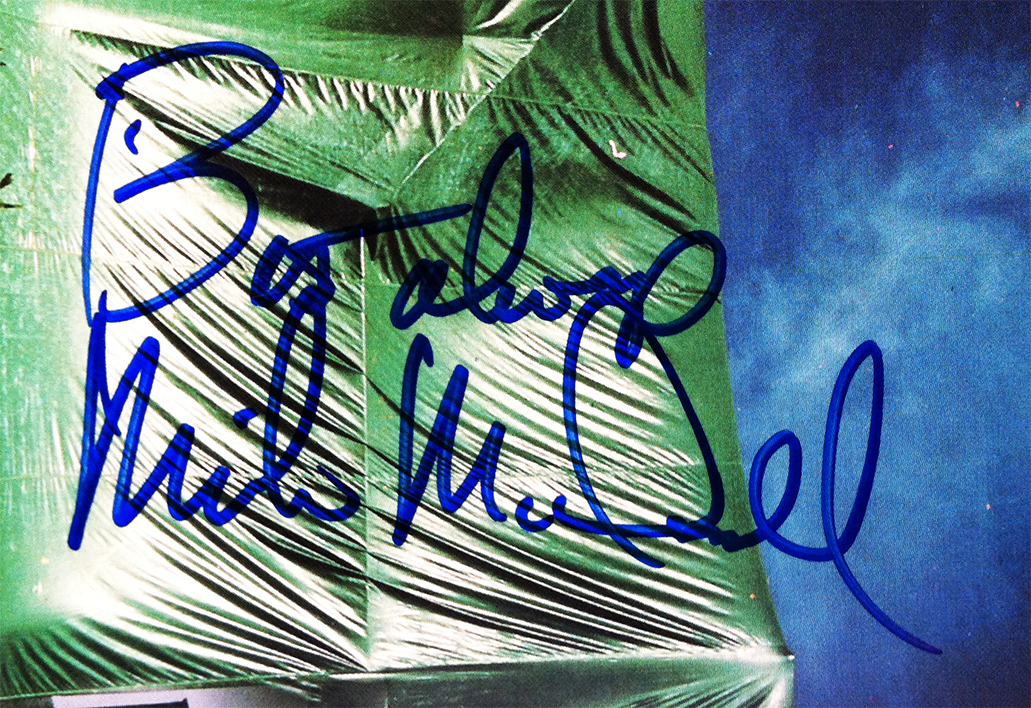
BestAlwaysWhy someone would part with such a profound and enlightened treasure is beyond me, but she now rests, calmly, within my analog graveyard. Someone had a hell-of-a day when this album was signed, and I thank them for their careless oversight.

Stigmata

Stigmata1988 was a good year for Ministry, and the quote, unquote, twelve-inch, maxi-single (of only two songs), Stigmata, highlighted the aggressive enthusiasm of its umbrella, The Land of Rape and Honey, and still serves as one of the best Ministry songs to date, some 26 years later. Yeah, that’s right… Stigmata is 26 years old, and Al Jourgensen, believe it or not, is still alive. Image that shit.

Anyway, a classic, with any given redefinition.

70’s Rock Must Die

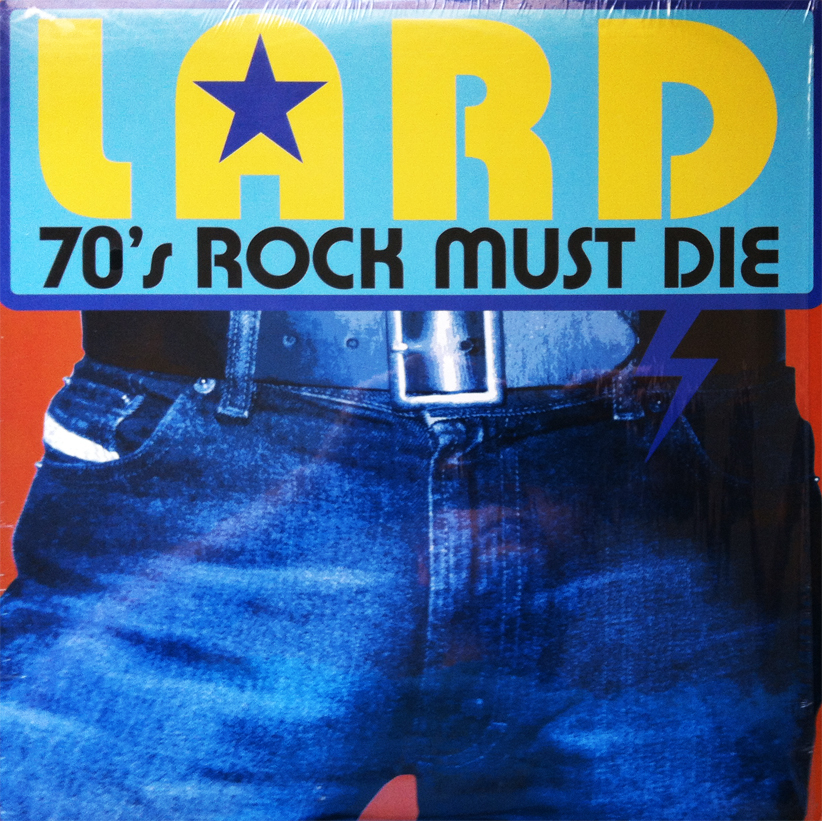
L for LardAs far as Lard is concerned, it really doesn’t get much better than 1989’s The Power of Lard. “Pity the poor trainer, in the stable when the racehorse farts,” “It’s ok to run out of butter in Zambia, just smear squashed caterpillars on your toast,” and “Poison Oak really is the aphrodisiac of the Gods” are just the red hot tip of the frozen iceberg found within the band’s debut track.

Fast forward to 2000 with the release of the band’s 2nd EP (three tracks). Their fourth and final release, 70’s Rock Must Die unfortunately features more tongue than cheek, and is by far the band’s ill-fated gift. For you see, there really is no bad Lard album, track, phrase, loop, what-have-you, there’s just spitfire Industrial brilliance, and their other stuff.

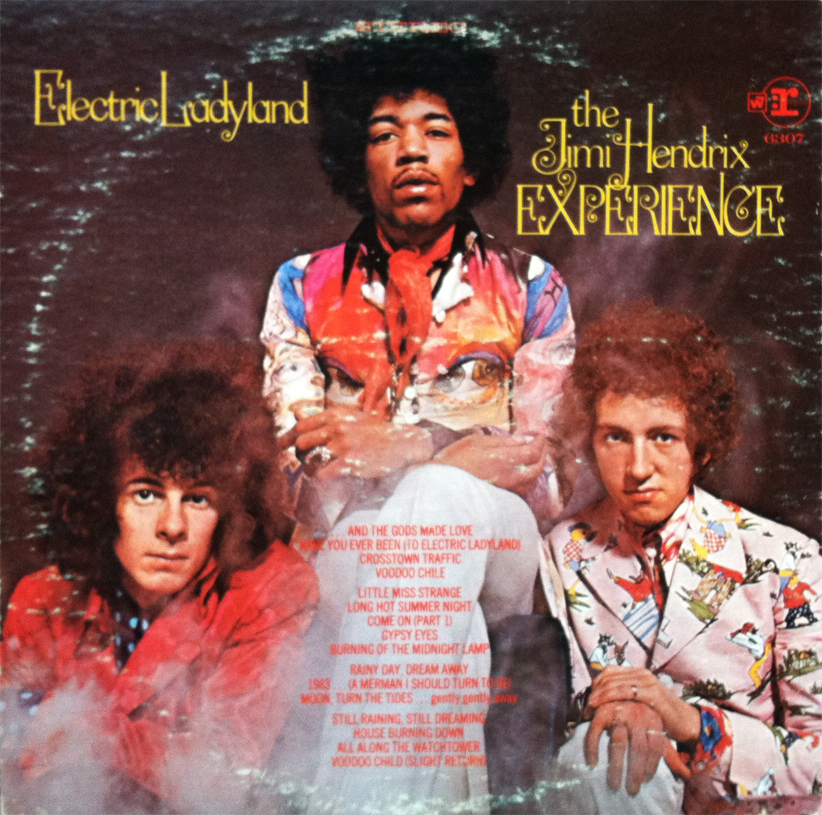
JimiSex sells, and so do lottery tickets. Hendrix was. His legacy is. Fervent toils remain unraveled over the greatness of this 6-stringed beast. Let them toil and snare, grieving for future’s ears. The future was last week, as well as tomorrow. Let time prematurely leak its incessant novelties, and let the cautious remain cautious.

RIP Johnny Allen Hendrix.

Dollar A Day

Screen shot 2014-10-11 at 10.54.59 PMShort retort tonight, as the warm, guilty rays from the Hardin Sun cast fervent necessity that borderlines an acute obsession upon me and mine during these last few (years) weeks. I’ve gone so far as to hunt down the “Electronically Re-Recorded to Simulate STEREO” version of This is Tim Hardin to accompany the original mono version, and I have, today, decided it was worth a few good, conscious hours to digitize both albums for digital enjoyment. I’ve yet to find the proper ear-apparatus to showcase the difference between the two, but as with any obsession, logic gets second billing.

RIP James Timothy Hardin.

Great Hank

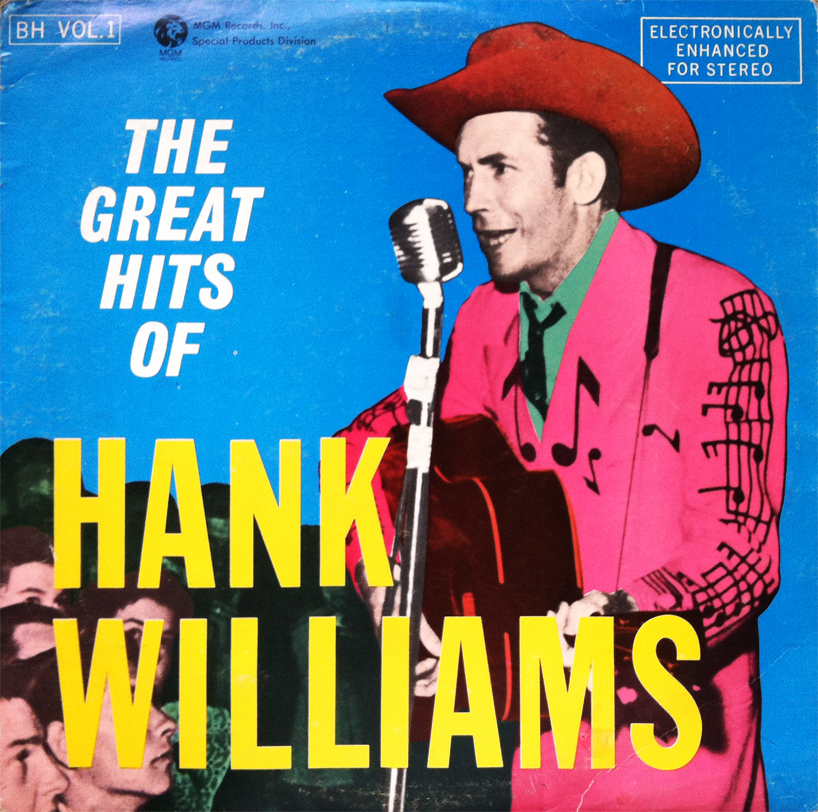
HankHappy October 10th to all of you music lovers out there. Happy Friday night for those of us on the West Coast. Offered up this fine fall evening is a 24-track, 2-LP comp of Hank Williams’ great hits titled, The Great Hits of Hank Williams. As a member of both the Country Music and Rock and Roll Halls of Fame, Mr. Williams remains as influential a songwriter and musician as any other single titled artist. Cash is classic, Dylan is decent, but Williams will forever be without end.

RIP Hiram King Williams, Sr.

The Very Best

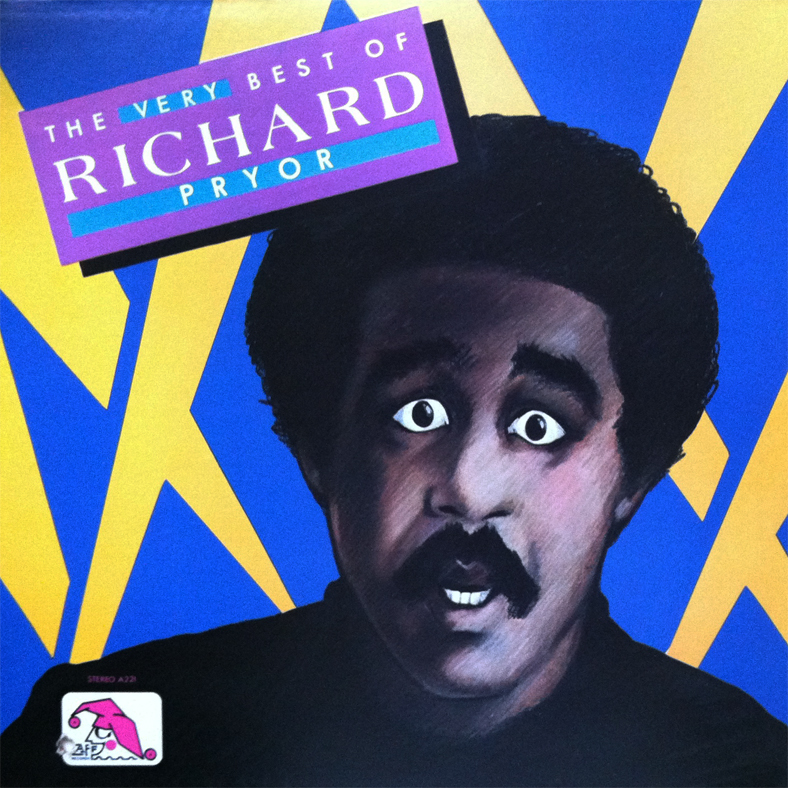
Best of RichThe Very Best of Richard Pryor is hardly what it claims. But as I’ve said, and will continue to say as long as I have life in my chest, it does not get any funnier than Richard Pryor.

Another Laff Records rush-to-get-it-out, recycled-without-a-hint-of-shame, X-Rated, listen-after-your-parents-have-long-gone-to-bed release, The Very Best of Richard Pryor embezzles from “Craps” After Hours (1971), Are You Serious??? (1976), Who Me? I’m Not Him (1977), Black Ben the Blacksmith (1978), Outrageous (1979), and what sounds like a Scotch tape merging of cutting room floor excerpts. This is all, of course, certainly not to say that The Very Best of Richard Pryor is without merit, and shouldn’t be owned by everyone who enjoys the idea of laughing until you cry.

RIP Richard Pryor.

Poison Idea

PoisonYou know that when you’ve started measuring out your cocktails, there’s an issue onboard the gravy train. 1988’s glam metal pop sluts from Pennyslvania made a shit-ton of parents unhappy with their questionably abhorrent cover for Open Up and Say… Ahh!, their second, and most successful makeup-laden album.

Competing against Def Leppard’s Hysteria (a personal fav), Bon Jovi’s New Jersey (another adolescent treasure), and Guns N’ Roses Appetite for Destruction (arguably the best album every released), it’s no wonder Poison’s Open Up… achieved only the no. 2 spot on the Billboard 200. Striving for that no. 1 spot, the band re-released OUaS…A! with a slightly less eye-catching, much more (parent friendly) subdued cover, but were never able to break into that coveted no. 1 spot; Unfortunate, but understandable given the timeless competition.

Pave the World

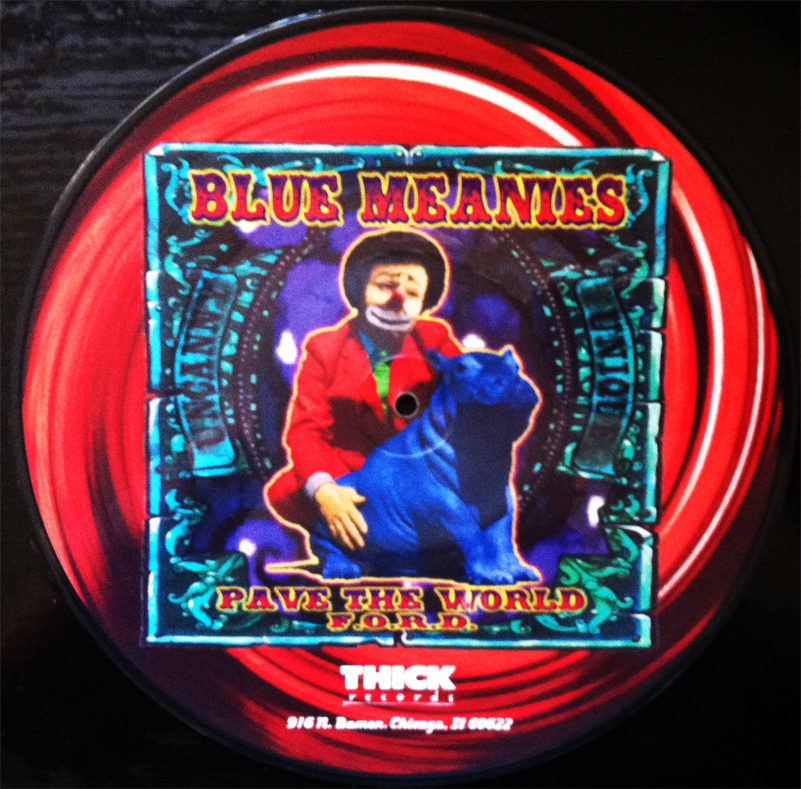
Pave the WorldFile tonight’s venture under the heading of 10” pictures discs that haven’t been played in over 18 years. One of the most memorable live bands my teenaged self has ever had the pleasure of witnessing, the Chicago-based new, new wave ska hardcore band, The Blue Meanies, combined big band numbers with post-hardcore aggression, offered eye-opening repetitive (and loud) percussion, horns, and spitting lyrics bellowing forth from an amplified megaphone.

Pave the World, like most spot-on commentaries on the everyday unraveling of social morality (based on the motivation of greed and fatter stacks), wails like an uneasy siren of truth. The Blue Meanies were not a band to be taken lightly, and their wisdom will continue to paint the horizons of willing truth seekers generations to come.

Laff

LaffRecording only one, proper album for Laff Records, Richard Pryor saw many, recycled releases throughout the label’s tenure, up, and until to their ultimate demise sometime in the 1980s. Among the two I just acquired (Who Me? I’m Not Him and The Very Best of Richard Pryor), Laff Records released the following slue of cut and past jobbers showcasing the funniest man alive (RIP Richard Pryor): “Craps” After Hours, Rev. Du Rite, Are You Serious???, Insane, L.A. Jail, Holy Smoke, Who Me? I’m Not Him, Black Ben the Blacksmith (I just passed this one up on 8-track), The Wizard of Comedy, Outrageous, Supern!gger, Richard Pryor Live, and The Very Best of Richard Pryor. Milking the money cow that was Mr. Pryor proved to be profiting for the “adults only” label, and as far as I’m concerned, the more Richard Pryor, the merrier.

Hell Bats

BatWould you pay 95 Lincolns for Meat Loaf’s Bat out of Hell? Well I did, and thanks to the “every album should have a protective plastic sleeve, because who knows the ramifications of unprotected audible indulgence,” type situation, I’d forgotten that I owned this album. So, yeah… Meat Loaf. Eat up, kiddos. (Insert quippy, quasi-comical, closing statement here.)

The Chipmunks of Infinity

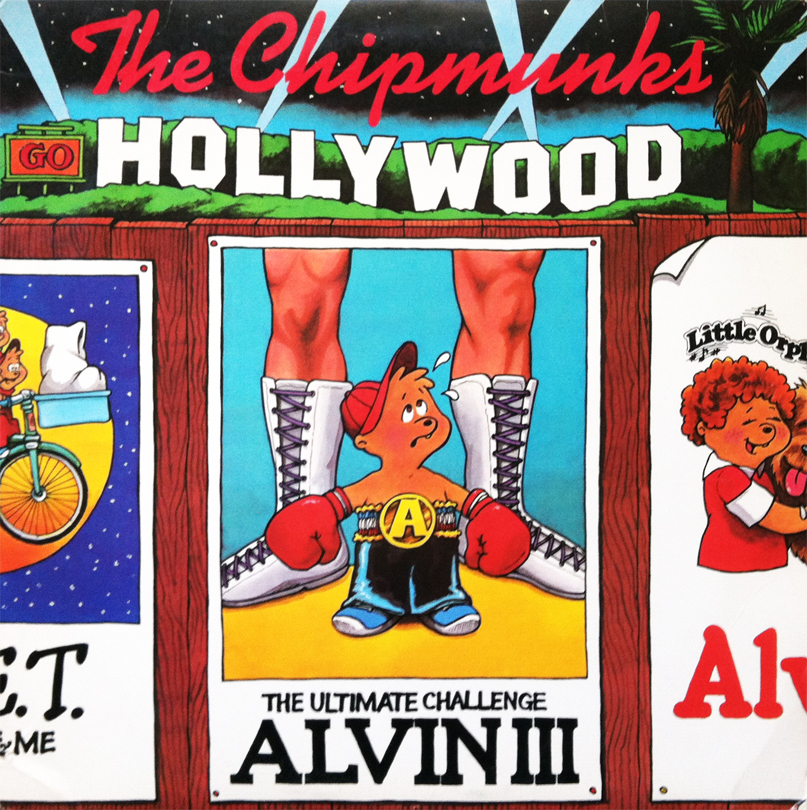
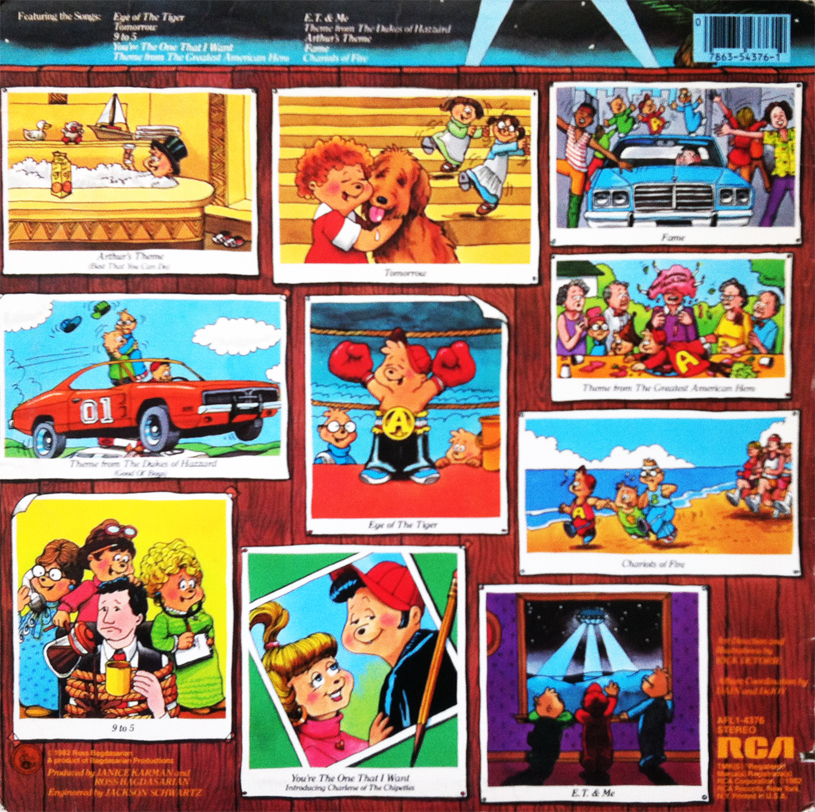
MunksThe biggest, brightest marquee names in TV / movie pop culture, according to Alvin and the Chipmunks circa: 1982 are as follows: 9 to 5, Grease, The Greatest American Hero, Fame, Annie, The Dukes of Hazzard, Chariots of Fire, ET, Arthur, and Rocky.

It’s comforting to acknowledge how prolific and timeless The Chipmunks Go Hollywood still remains, given the immortal impact of these groundbreaking examples of visual brilliance. Why, just the other day while shopping for Boston Baked Beans at the corner 7-Eleven (the ‘Sev), I overheard a youth (a shaggy-haired runt in knee-high tube socks) exclaim to his dopey-eyed, sugar-pack-hoarding cohort, “You know Sly, I’ve been thinking, The Greatest American Hero is, in my humble opinion, the greatest American television show of all time. Wouldn’t you agree, good chap?” To which the sweaty wingman replied something inaudible, just before knocking over a wicker basket full of week old fruit.
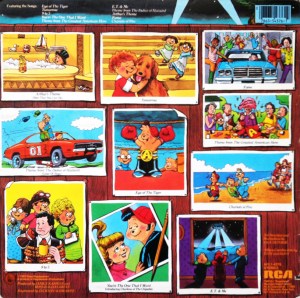
Munk BackThe youth, like the Chipped Munks of 1982, got it, and The Chipmunks Go Hollywood still remains one of the most important works of modern day artistic expression, but that, of course, goes without saying.