 Side 1
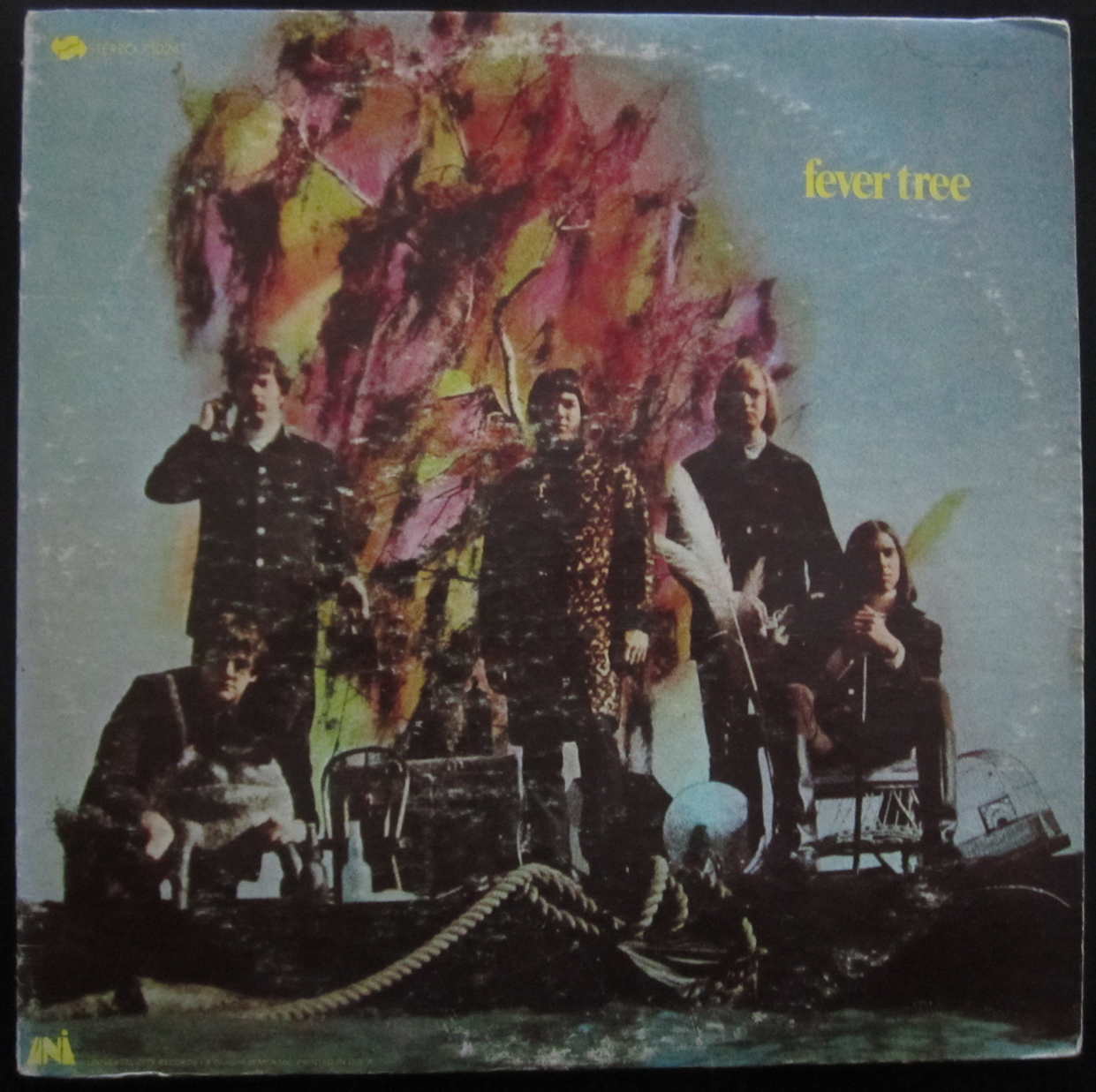
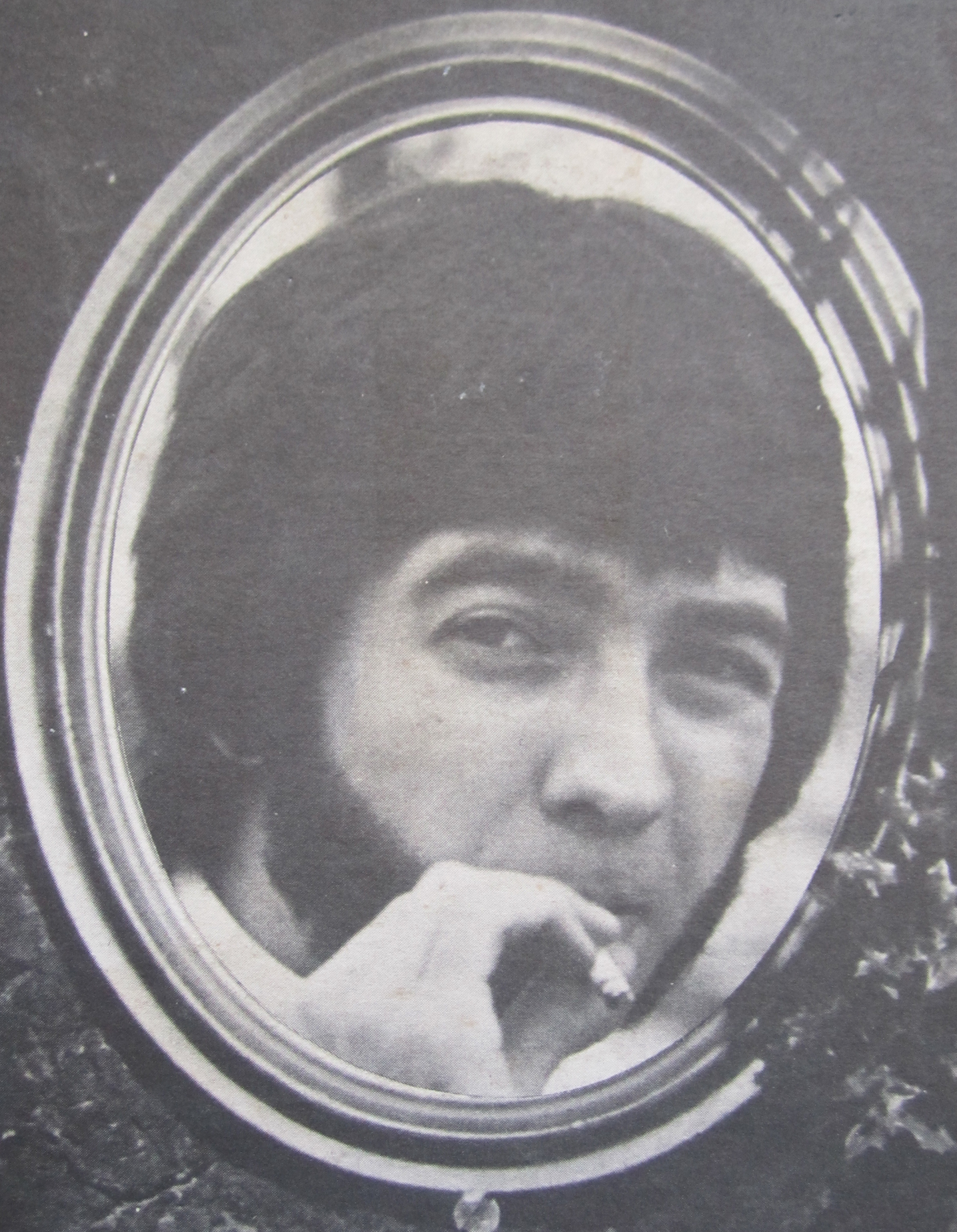
Phantom of the Opera meets the Wild West in this opening track to Fever Tree’s debut album. Vocalist Dennis Keller kicks in with his chain-smoked-laden-raspy-gnarls-of-enthusiasm as the rest of this hipped out mob feverishly (see what I did there?) jams along in the background. (As with most of these write-ups, I’m listening to the album as I write.) This album is beginning to show signs of being really far out, brother! Fever Tree’s brand of late 60’s psychedelia peaked at only 156 on the Billboard 200 Chart. Not difficult to imagine as 1968 brought us The Kinks are the Village Green Preservation Society and what is now known as The White Album, to name only a few.
Although subsequent albums provided higher charting numbers, Fever Tree’s only single came from this album; (Track 3’s) San Francisco Girls (Return of the Native). Sitting in my office smothered by the year 2013 and all that has preceded it, I imagine a parallel between listening to this album now, and a Texas band in 1968 singing about long legs in the San Francisco bay. “Those San Francisco girls with their San Francisco ways.” Ok. No one ever sang a song about the pretty girls in Camden, NJ; at least not in 1968, and certainly not on Universal City Records.
This album jams, man! Prime rhythms with snake-like guitar solos accompanied by a sprinkle of organ for good measure, all under a forceful bed of scratchy lyrics. For me, however, the album really picks up on Track 5’s, Man Who Paints the Pictures. Like a locomotive overtaken by banditos and raging down the rails through open fields of flower potted children and face painting stereotypes, Man Who Paints the Pictures finds its abrupt end with the start of Filigree & Shadow (which plays like a song that could accompany a Shakespearean play at a Tech College in rural Wisconsin). It’s a shame William Shatner couldn’t have covered this track on his groundbreaking, The Transformed Man LP. It would have fit in perfectly. Side 1 has its moments, and Man Who Paints the Pictures is its peak.
End of Side 1
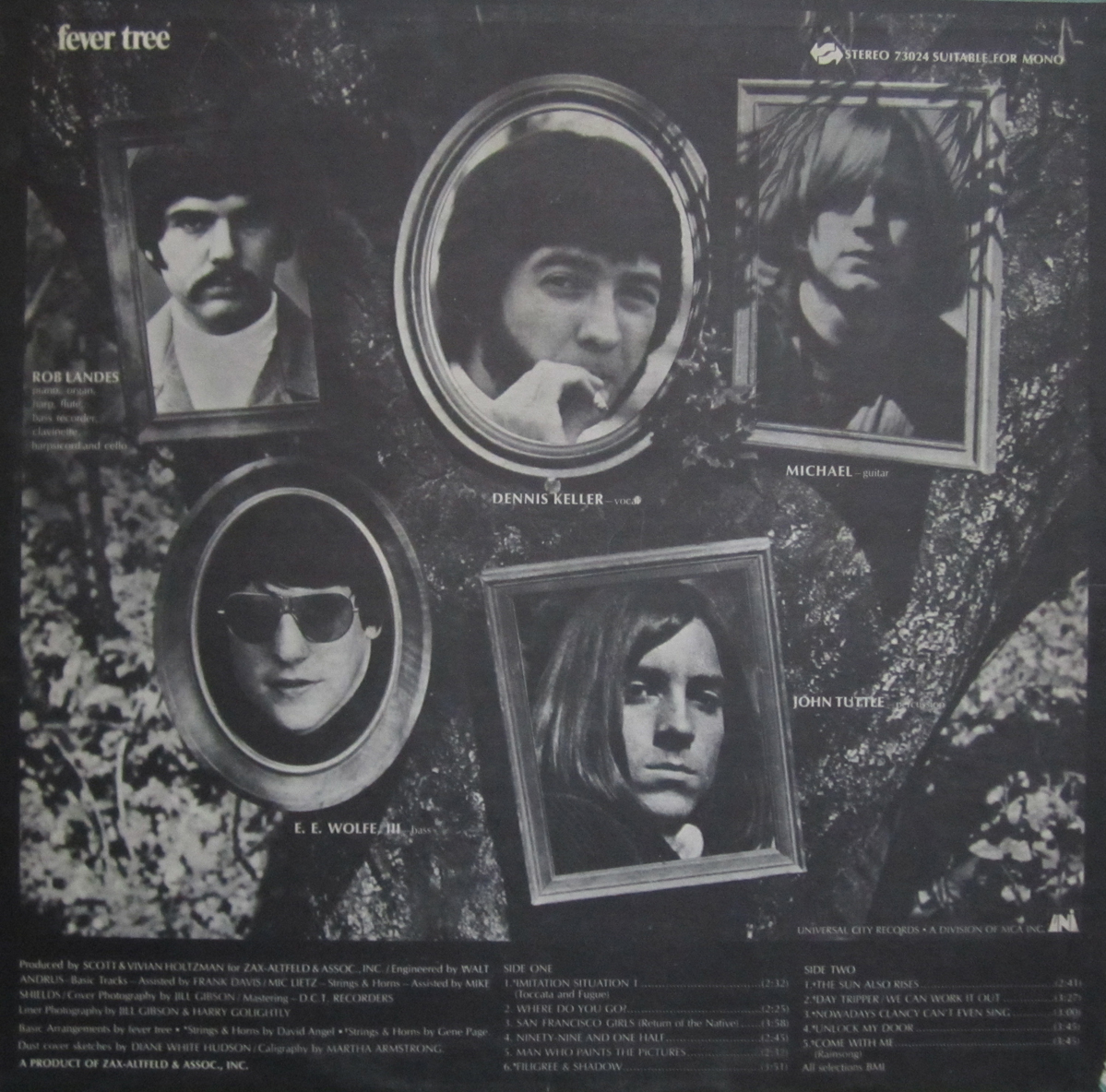
I bet these guys got laid a lot.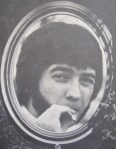 Look at those chops!
Being thicker than a $5 malt, I had no idea that the Fever tree was the name of an actual tree. The acacia xanthophloea to be exact, and apparently photosynthesis takes place in the tree’s bark, which supposedly is pretty rare. So, there you go. No need to attend your Dendrology class today (courtesy of The Prudent Groove).
Side 2 offers more of the same “good time Charlie” music. Like a soothing blanket on a brisk fall evening, the Fever Tree provides uplifting lyrics and whimsical melodies on The Sun Also Rises. Although that statement may be painfully obvious, its simplicity, however overlooked, provides a sense of comfort and optimism for what each new day can bring. It’s all about the love, man. You dig?
The Fever Tree try their hand at some Lennon / McCartney material on Day Tripper / We Can Work It Out. Nothing groundbreaking here, but it’s always interesting to hear a familiar song through a new perspective.
The majority of the second side is much more subdued in comparison to the jam-heavy first side. And that’s fine, it just creates a distinctive separation between the two sides. Perhaps this is done by design. If you’re in the mood to jam, side A is your friend. If you’re in the mood to go all the way, side B may just put her in the mood.
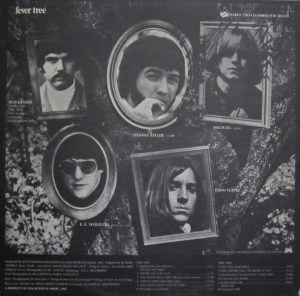 Overall, Fever Tree’s debut album provides over 34 minutes that capture a specific state of (reality deluded) mind; a sense of what I can only imagine as being daydreamy-Utopia towards what the potential future could bring. Unfortunately for Fever Tree and the rest of the hip cats and chicks in 1968, that time would prove to be short lived. But thankfully, bands like Fever Tree, with their obscure releases, can take us to a time we will never know, and leave us longing for another trip back.
End of side 2.

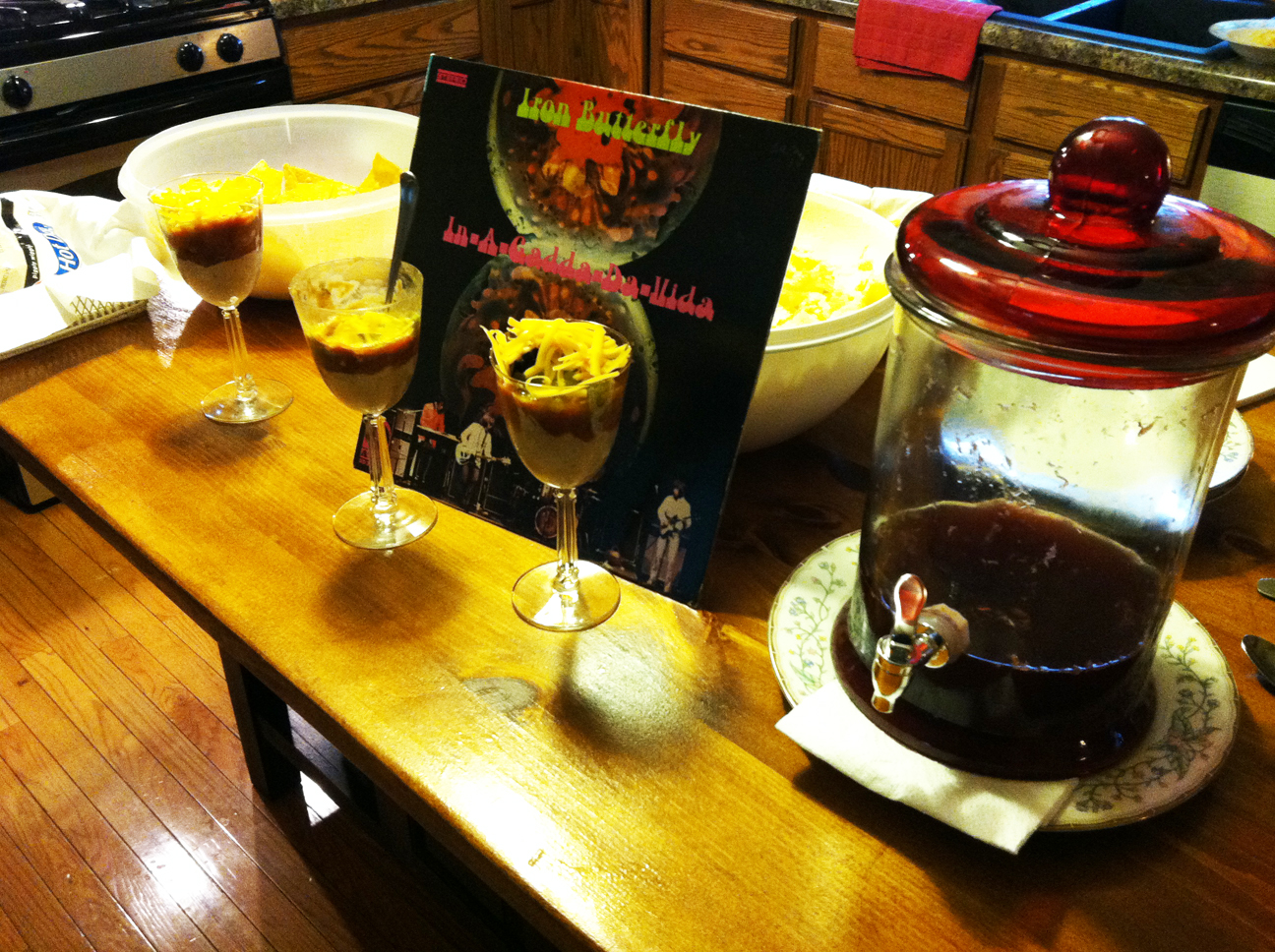 Nothing, and I quite literally mean NOTHING says Sunday afternoon football and snacks with family and loved ones like the throat-piercing hook of Iron Butterfly’s In-A-Gadda-Da-Vida.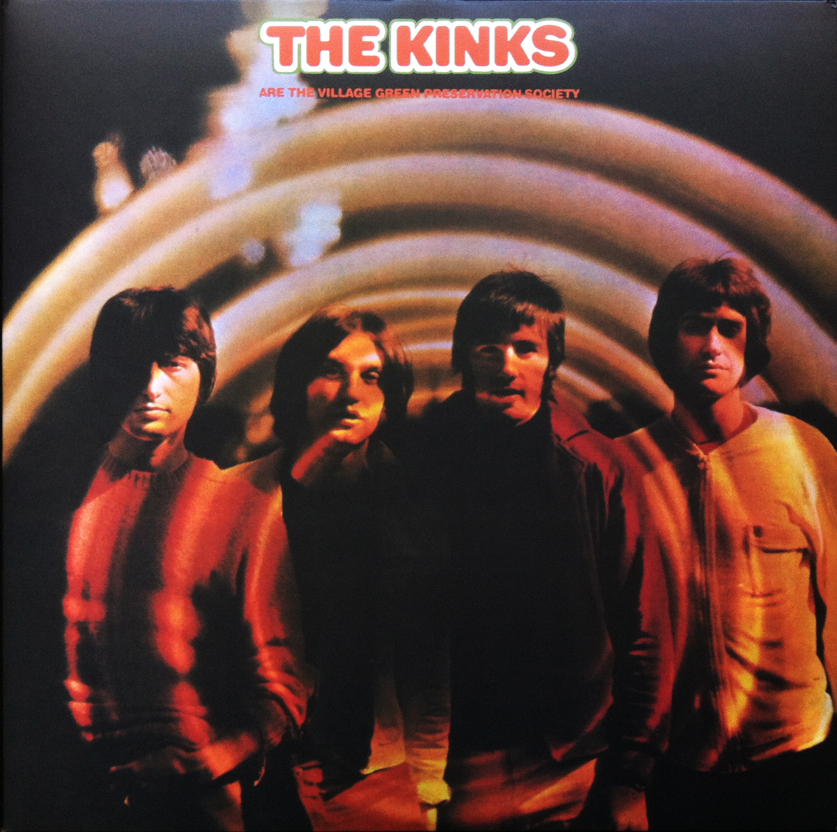

 The Prudent Groove