
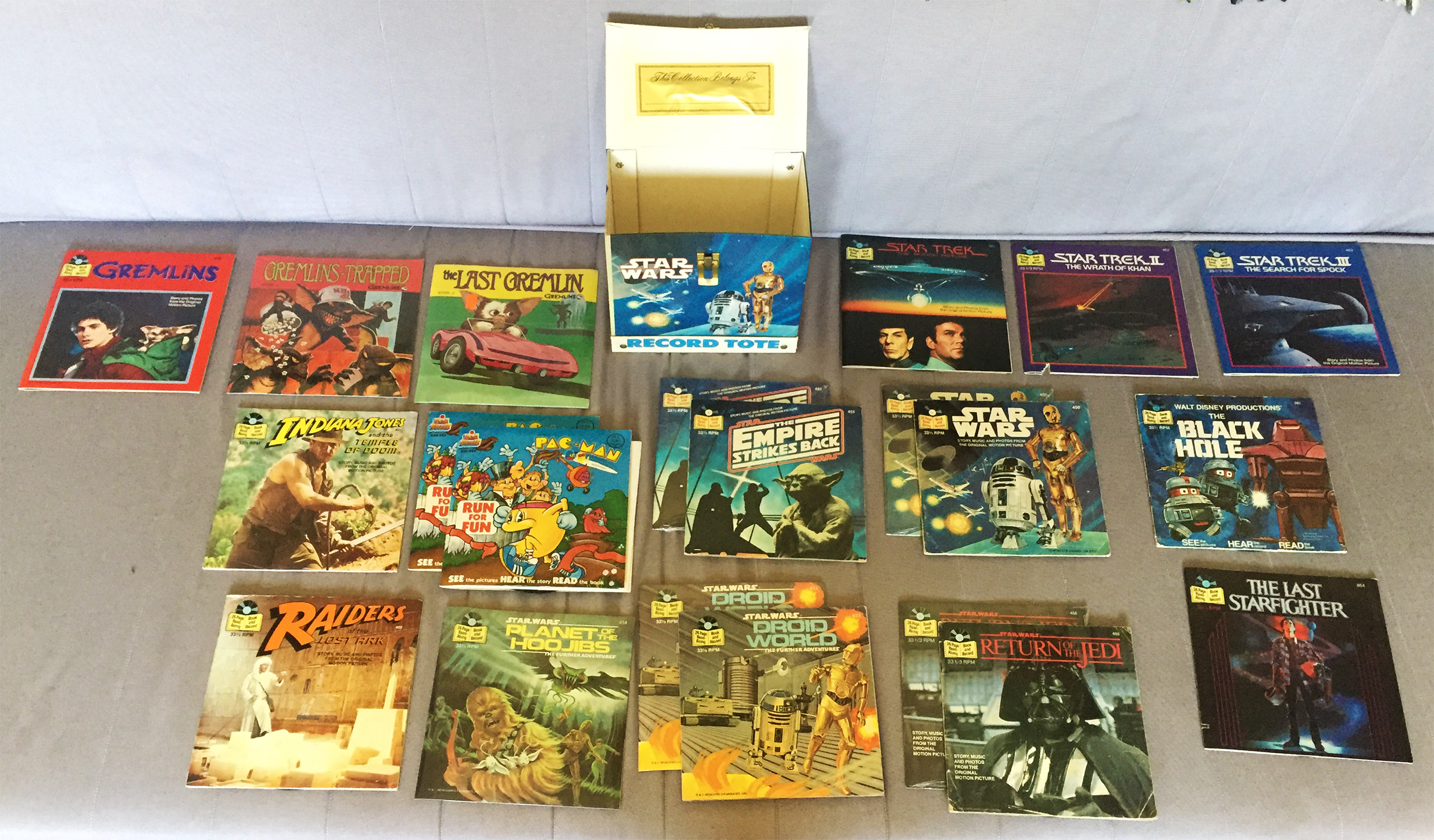
 This is how I communicate with my friends… with various photographs of recent record-related acquisitions. This (brief) conversation was pivoted around the 1983 Buena Vista Records release, Star Wars: The Further Adventures – Planet of the Hoojibs. This 7″ record and 24-page book set provides a tike-sized adventure, based on characters created by George Lucas. This particular journey was adapted from a Marvel Comic’s story by David Michelinie. Que The More You Know theme.
Tag Archives: records
Red Lite Melodies
 We discovered a new dive bar this weekend, which, obviously has good taste in music (as well as overall lighting tonality). If you find yourself in the Santa Monica area, and are into great music and dive bars, check out The Gaslite off Wilshire Blvd. Drink responsibly, kids.
Beastie Book-It
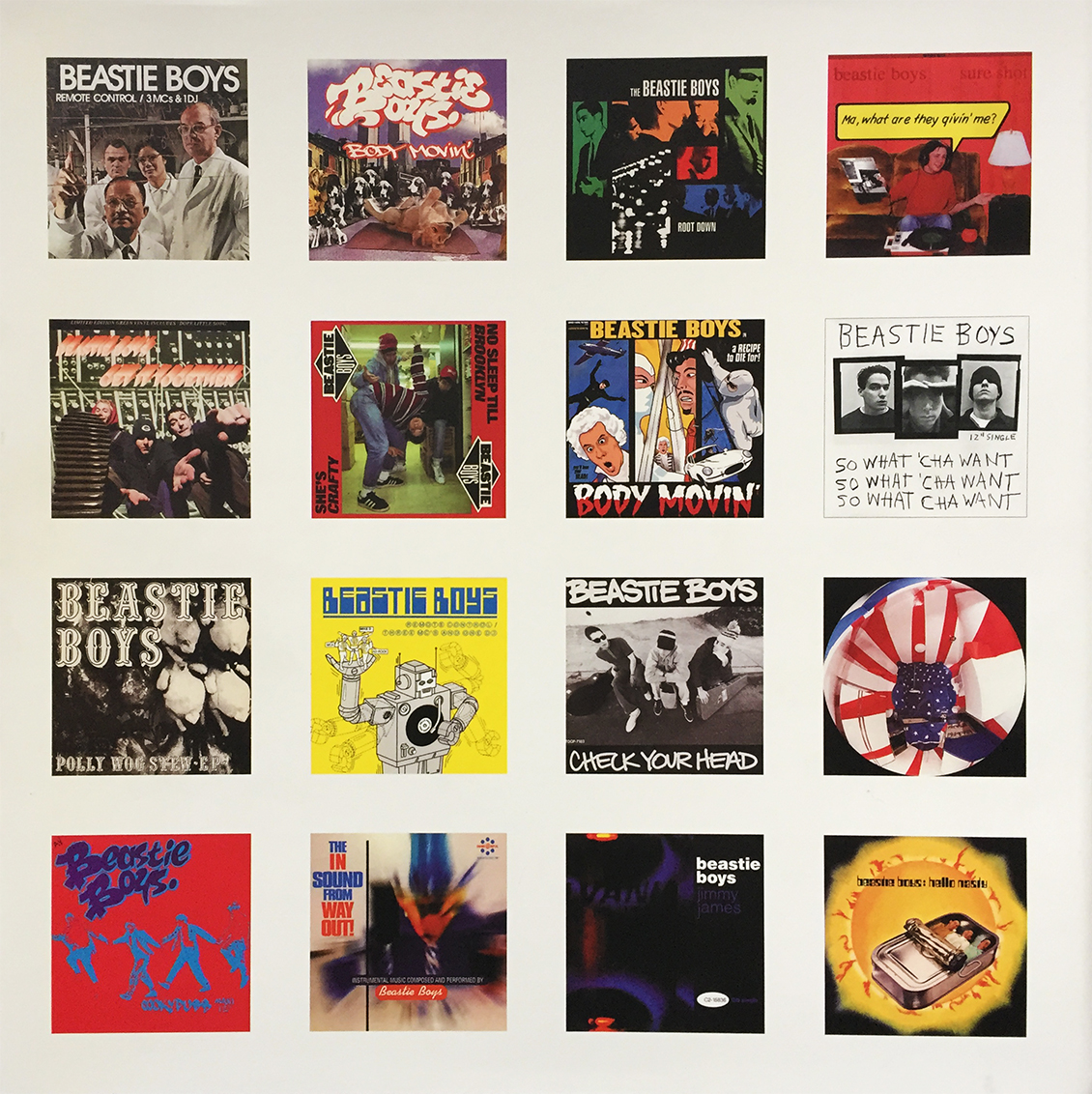 With all the frenzy surrounding the upcoming Beastie Boys book, it’s relatively easy to forget about the hardcover book that accompanied the Beastie Boys Anthology: The Sounds of Science. Presented here is a nice, if simple, layout of some of (16 to be exact) the Boys’ classic album covers, which also doubles as the book’s cover. Whatever your weekend plans may be, make sure they include the Beastie Boys.
KJazz of Rage
 I’d just like to say thank you to California State University, Long Beach’s KJazz (88.1 FM) for instilling calming and soothing easy listening jazz on my morning commutes into work. It’s because of this prominent station, and its perfectly timed playing of Bewitched by Paul Desmond, that I didn’t slam on my horn and offer screams of rage to the choch in the white SUV that swerved in front of me, forcing me to slam on my brakes and almost caused a much, unneeded accident. Serenity remained, and for that, I have KJazz to thank. (Photo above lifted from the internet.)
The Principle of Changing Your Mind
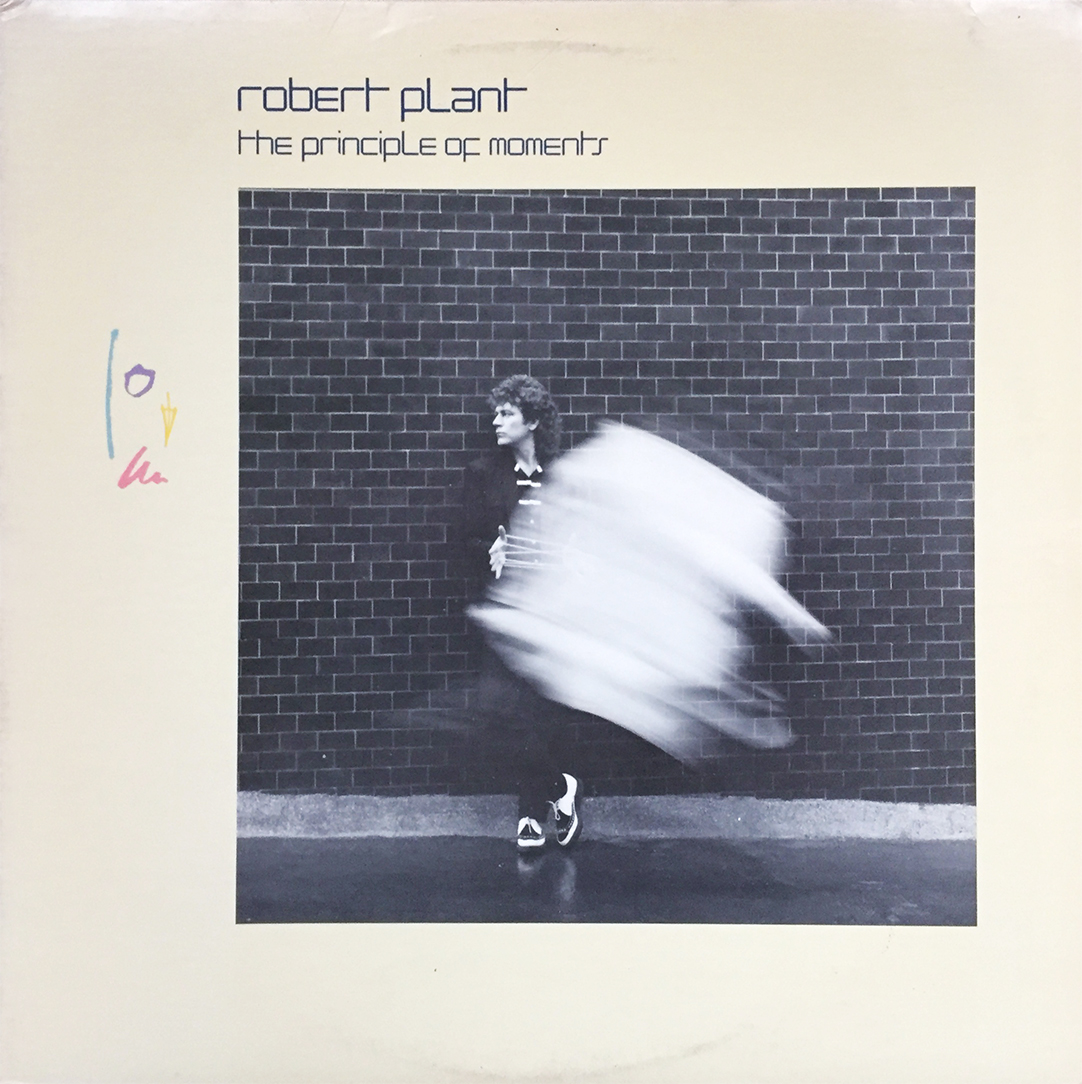 Let’s take a quick moment and talk about Robert Plant and his 1983 album, The Principle of Moments… in fact, let’s not. Let’s save that for another day when I can re-spin in the attempts to uncover this fine and meaningful Principle. INSTEAD, let’s drastically shift gears to the forthcoming Mad Caddies reggae covers album due out on June 15th. A few sneaky digital tracks have surfaced, including a stellar version of NOFX’s She’s Gone from their 1992 classic, White Trash, Two Heebs and a Bean. Please do yourself a favor and follow the link over to Spotify and check it out. You’re going to want a copy of this 12-track album of classic punk songs with a Mad Caddies-infused reggae twist. I can’t wait for this album to arrive.
Jaxx
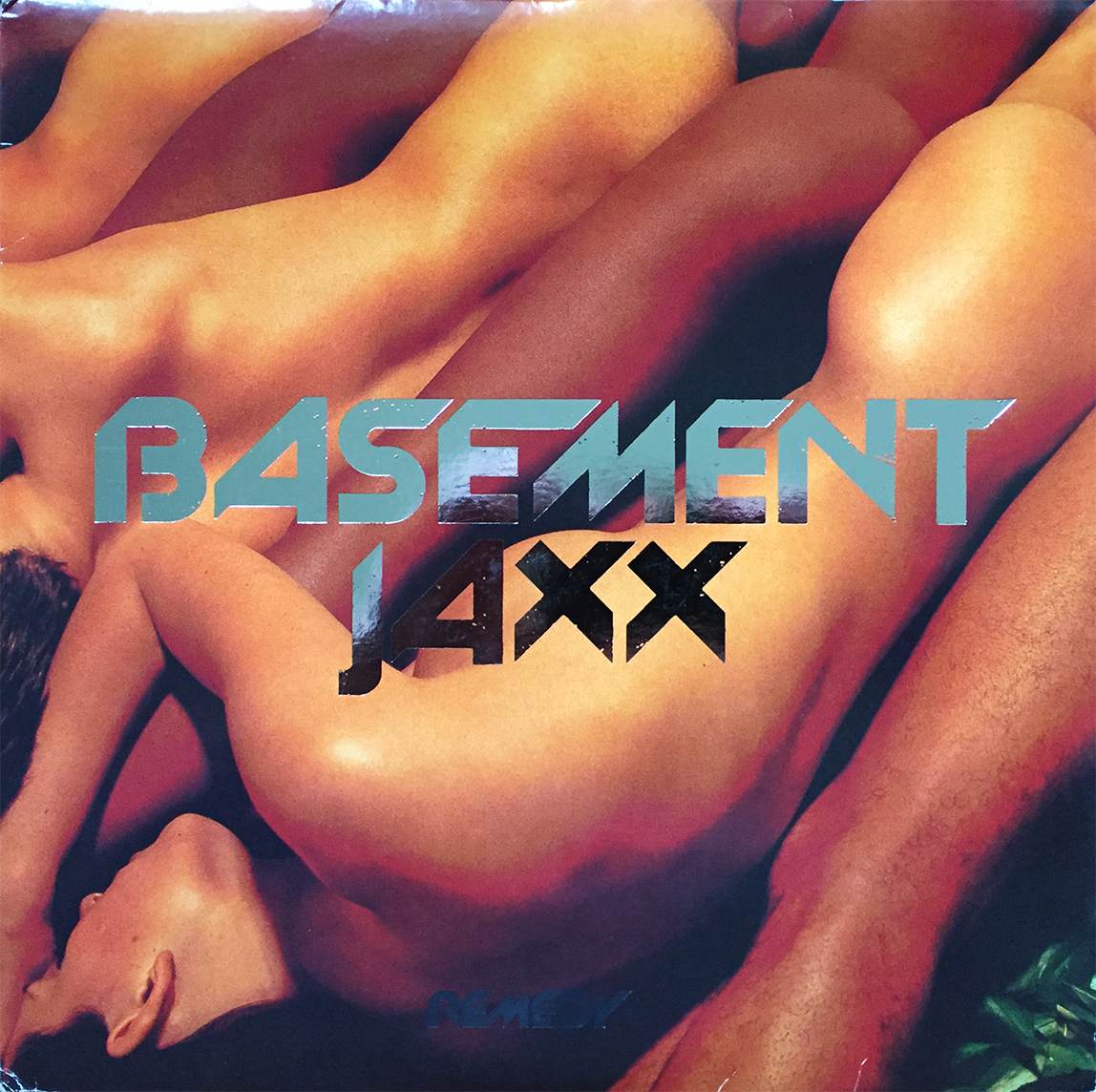 I know little-to-nothing about the debut album by Basement Jaxx, 1999’s Remedy. The bulk of my knowledge of this electro-house duo comes from the 13-tracks on their sophomore effort, 2001’s Rooty. Never one to pass up on a great deal, I was surprised to see this double LP in VG+ shape listed for only $5. She just arrived, which means I know what our Tuesday night entails.
Technicolour Explosion
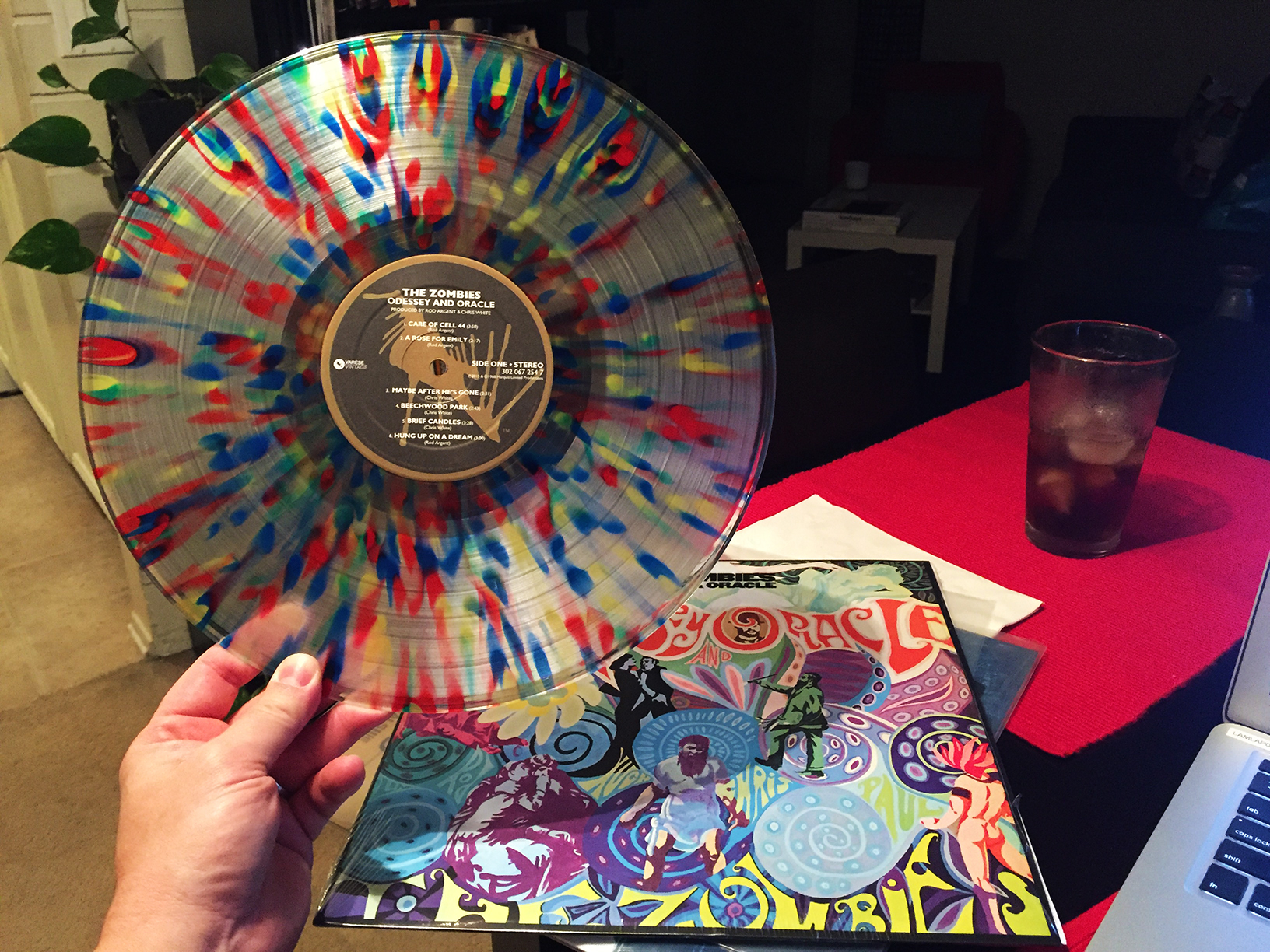 That’s the official vinyl color for this recent pressing (May 25th) of Odessey and Oracle by British chaps, The Zombies. Technicolour Explosion. (Yet) another Newbury Comics exclusive (limited to 1000 copies), this gorgeous reissue feels like 180 gram vinyl, though this perk isn’t noted anywhere in the item’s description. This is now our third version of this essential album, with (at least) one more to come… the US alt cover reissue from 1969.
Skins!
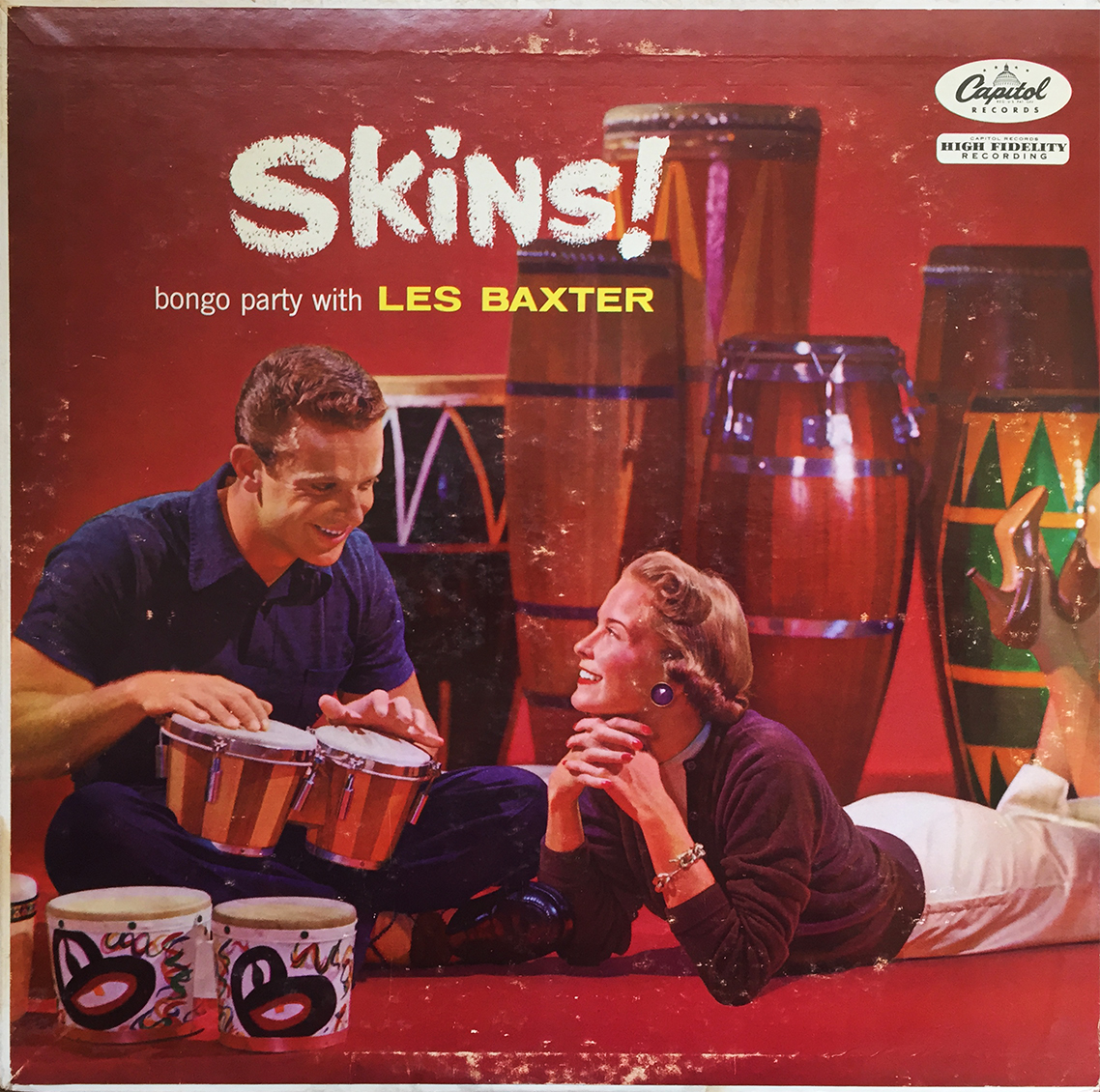 1957’s Skins! is an adventurous 10-track soundscape sure to please the easy-listening-lazy-demon within every needle-dropper. Skins! grooves, baby, and with all of Baxter’s mid-late 50s / early 60s cuts, is essential Space Age Pop spinning material.
Still Avail?!
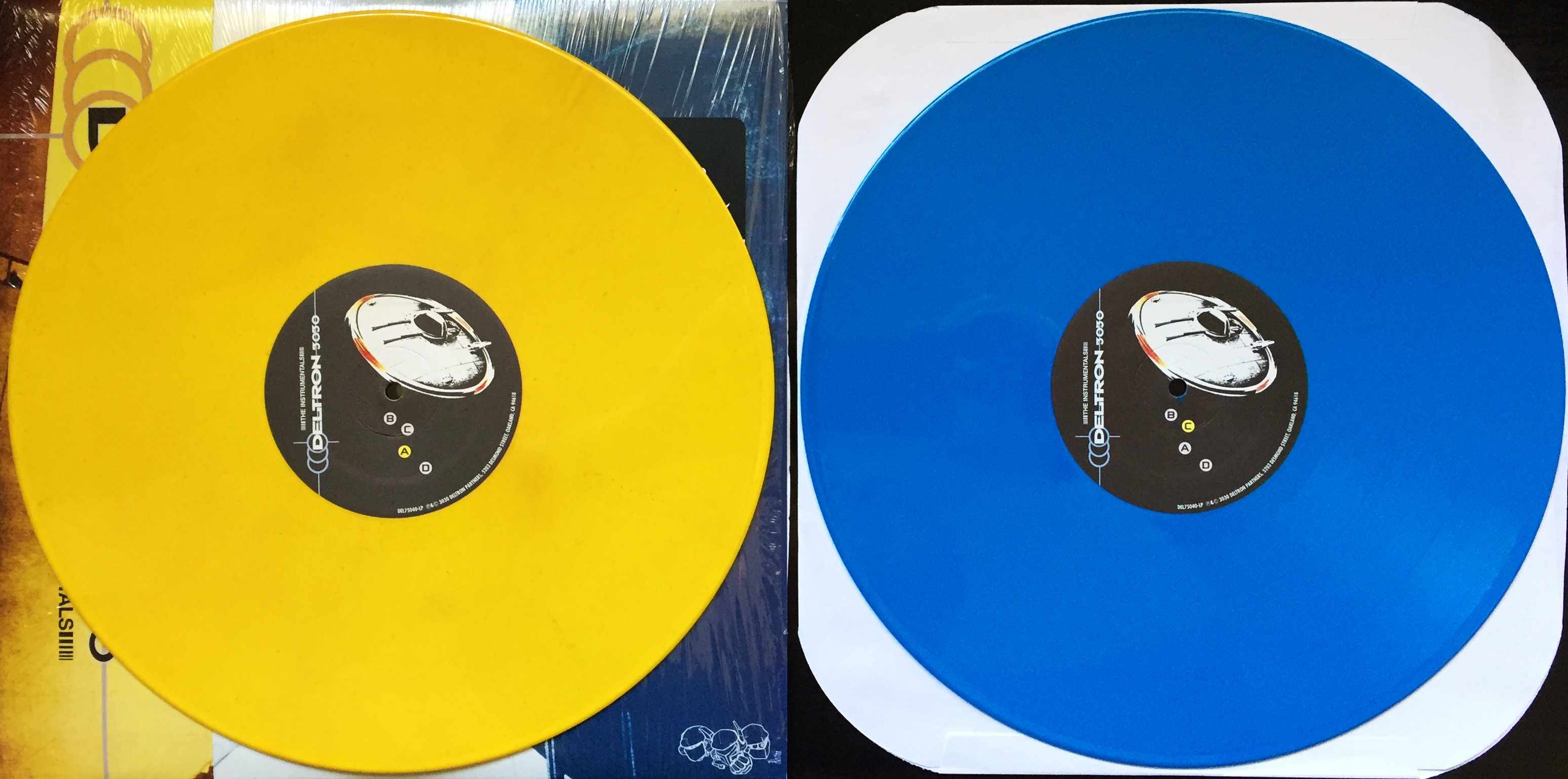 It surprises and kinda weirds me out that this double LP of Deltron 3030 Instrumantals is still available from Newbury Comics. Limited to a staggering 300 copies, this 12-track giant strips out Deltron while preserving Dan the Automator and Kid Koala’s legendary foundation. If you have half a mind, are in to amazing conscious hip hop, and have $24 in your pocket or bank account… GET THIS ALBUM!
Planet Rock
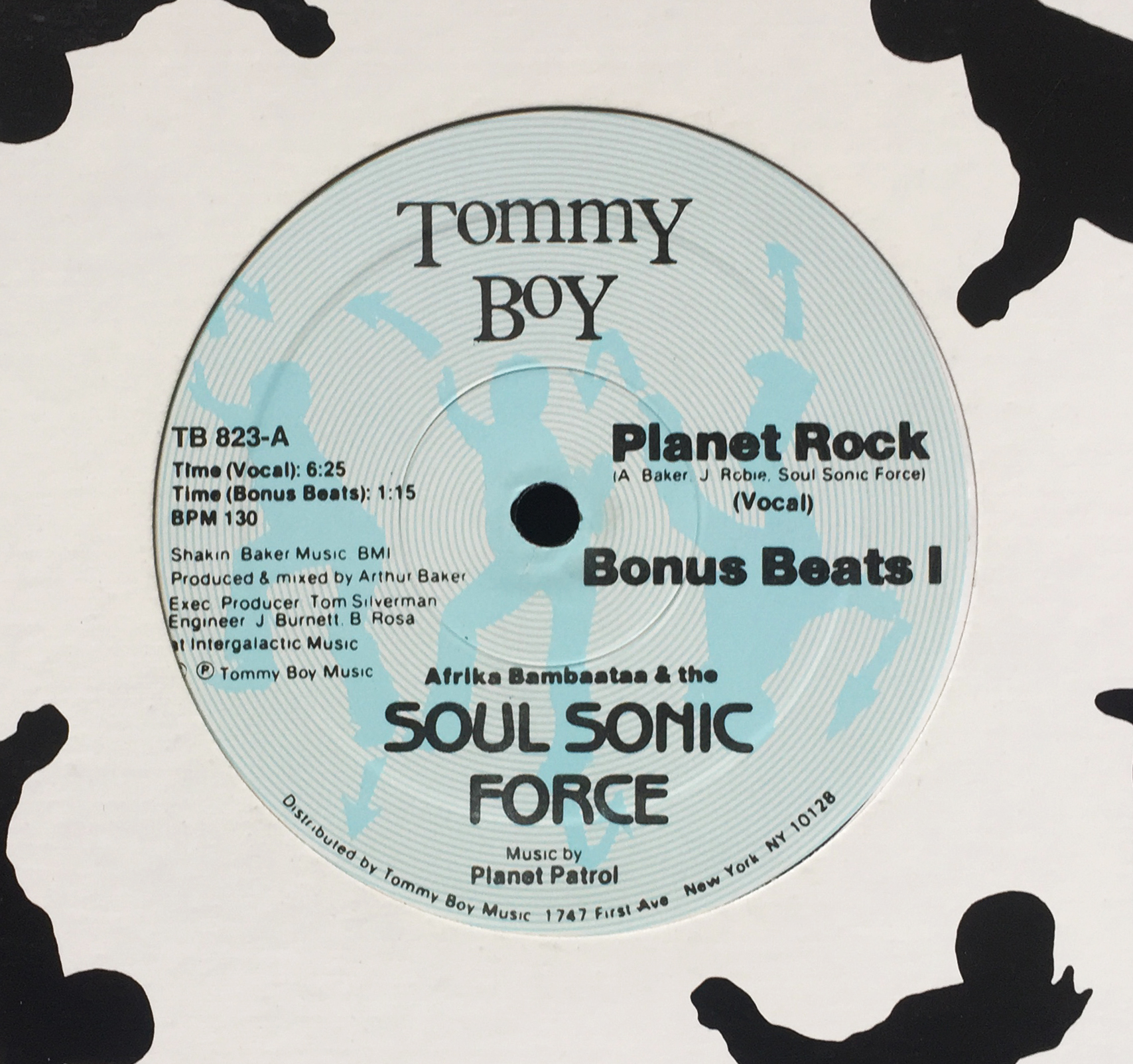 1982… when Dead Kennedy’s were recording and releasing Plastic Surgery Disasters, Afrika Bambaataa & the Soulsonic Force dropped Planet Rock (aka Don’t Stop… Planet Rock), which remains, in my humble opinion, one of the best hip-hop compositions of all time. This three track 12″ consists of the master, or hero track, a Planet Rock Bonus Beats ditty, and a 9+ minute instrumental version. An absolute must for, well, anyone, really, Planet Rock remains Bambattaa and team’s must successful adventure. This track is perfect background fodder for your next casual dinner party. Play loud and often.
4 Lads
 Chalk this one up to “when the hell did I buy this” album. 1958’s compilation of The Four Lads’ Greatest Hits is a Columbia Records release (CL 1235) and features this Canadian crew’s biggest, million-selling singles. From Moments to Remember, to Istanbul, The Four Lads’ Greatest Hits covers all the famous pop-tune bases, in one neatly packaged, 12-track record. The Four Lads were prominent mainly from the 50s through to the 70s, but are still active today, some 65 years after their initial inception (they played in Palm Springs back in late March). If you’re looking for the best of the best from this easy listening vocal troupe, look no further than The Four Lads’ Greatest Hits.
Vertigo (The Bootleg)
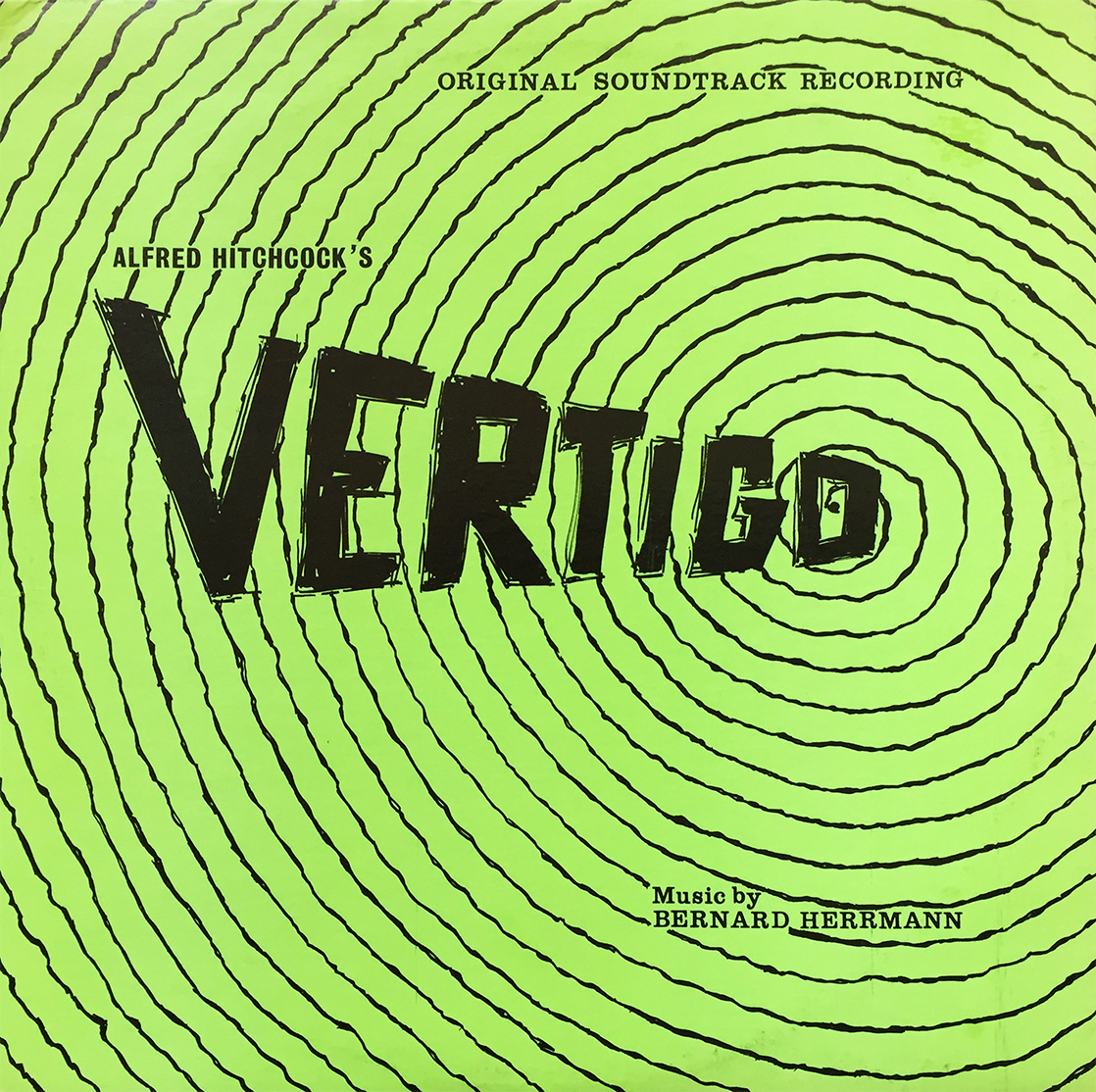 So, you don’t want to shell out $75 – $230 for Bernard Herrmann’s original motion picture soundtrack to Vertigo (current market value on Discogs)? I understand. Believe me. Getting a solid copy of this 1958, 7-track must-have can be a killer on your monthly record budget. As an alternative, might I humbly suggest this bootleg copy from 1970? The artwork is different (and a bit better in my opinion), and the exact same 7-tracks can be had for as little as $14.25! If bootlegs, or, you know, the color green isn’t your thing, there is also a Netherlands-only release from 1977 with yet another alternate cover (multiple Kim Novak heads surrounding a stilled hand… for those of you into the macabre). That one is available for as low as $9 on Discogs. So, if saving money without sacrificing the eerie quality of Bernard Herrmann’s Vertigo is more your speed, there are options before you.
Pulse (The Goodies)
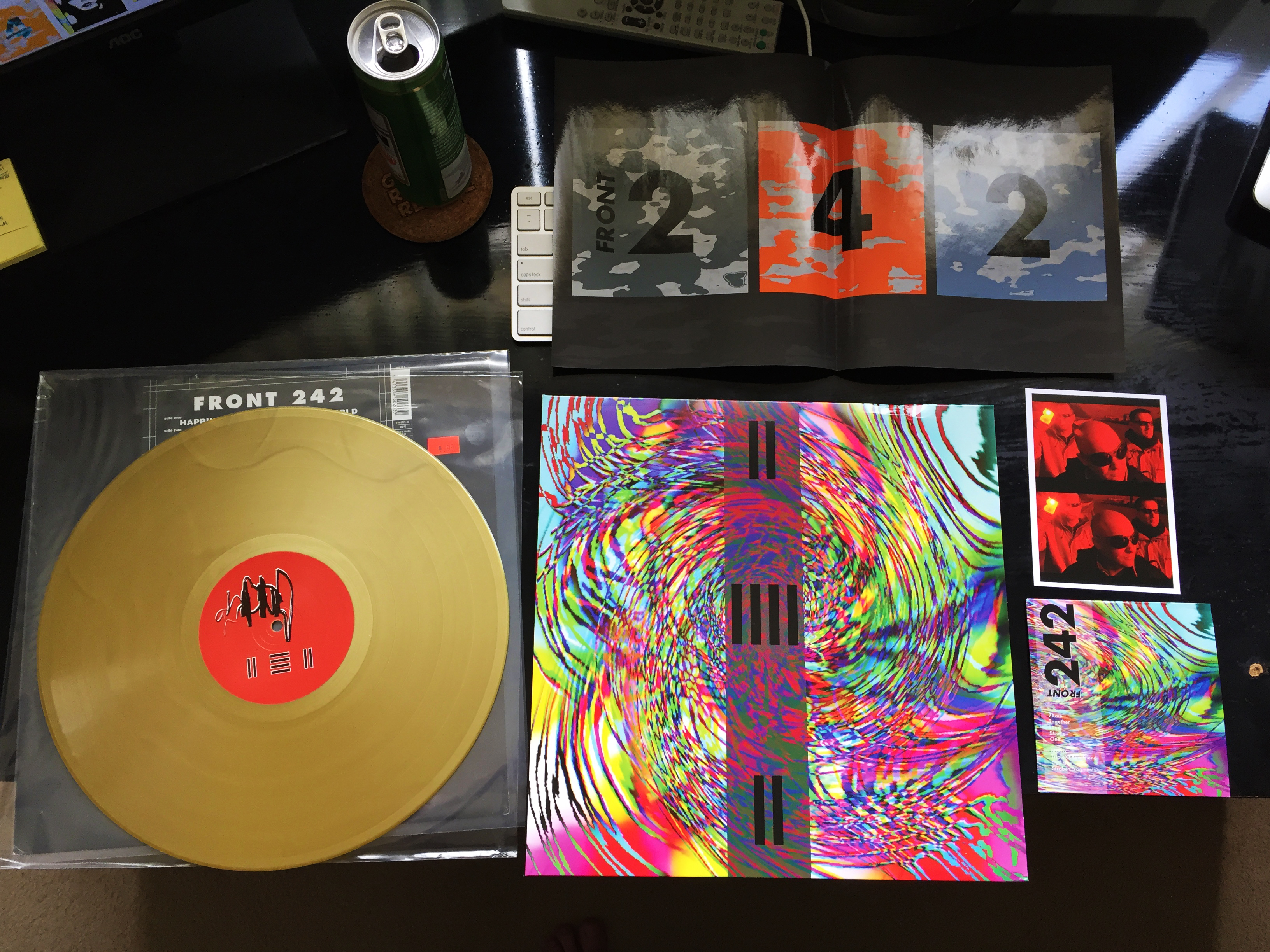 It was a Front 242 type of morning, as you can clearly see. I’d all but forgotten about all the groovy goodies inside the 2016 release from Alfa Matrix titled, <Filtered> Pulse. The gold record is limited to 242 pressings, and included is a nifty poster, a postcard type thing, and the 9-track CD of the record. For a solid (gold) EBM fix, look no further than <Filtered> Pulse (also available on clear & solid purple, solid yellow & black, and solid purple colored vinyl. All colors limited to only 242 pressings.)
Roulé
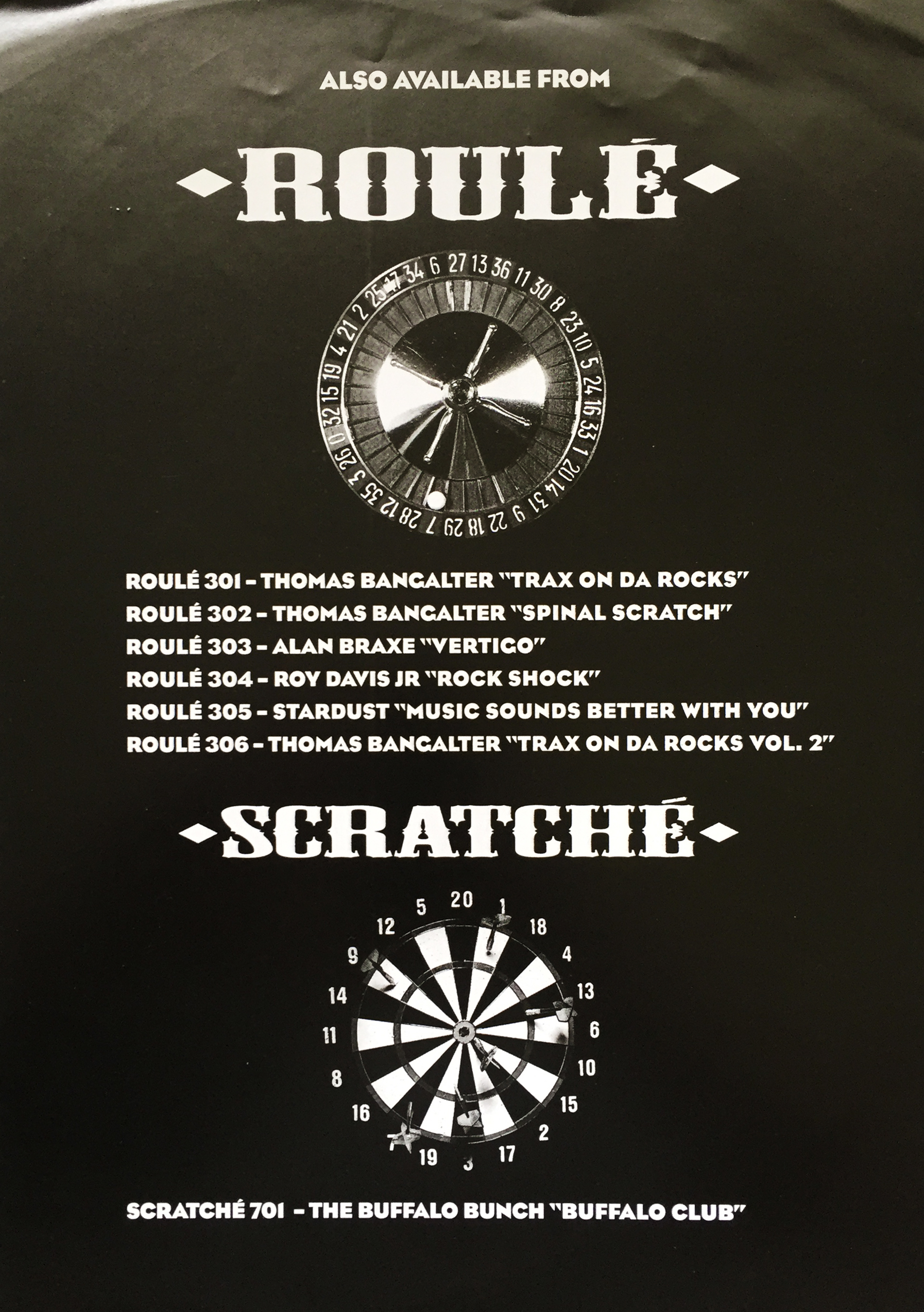 Finally scored Thomas Bangalter’s Trax On Da Rocks Vol. 2 for a sweet, low price, and inside was this flyer for Roulé Records. I’m missing the Roy Davis Jr. record, and not included on this essential checklist is Together, a collaboration between Bangalter and Davis Jr., and Outrage, an three track 12″, and the last from Bangalter on his French label. If you can find them in the states, pick up every single one of these righteous house records. You won’t be sorry.
RIP Touch Vinyl
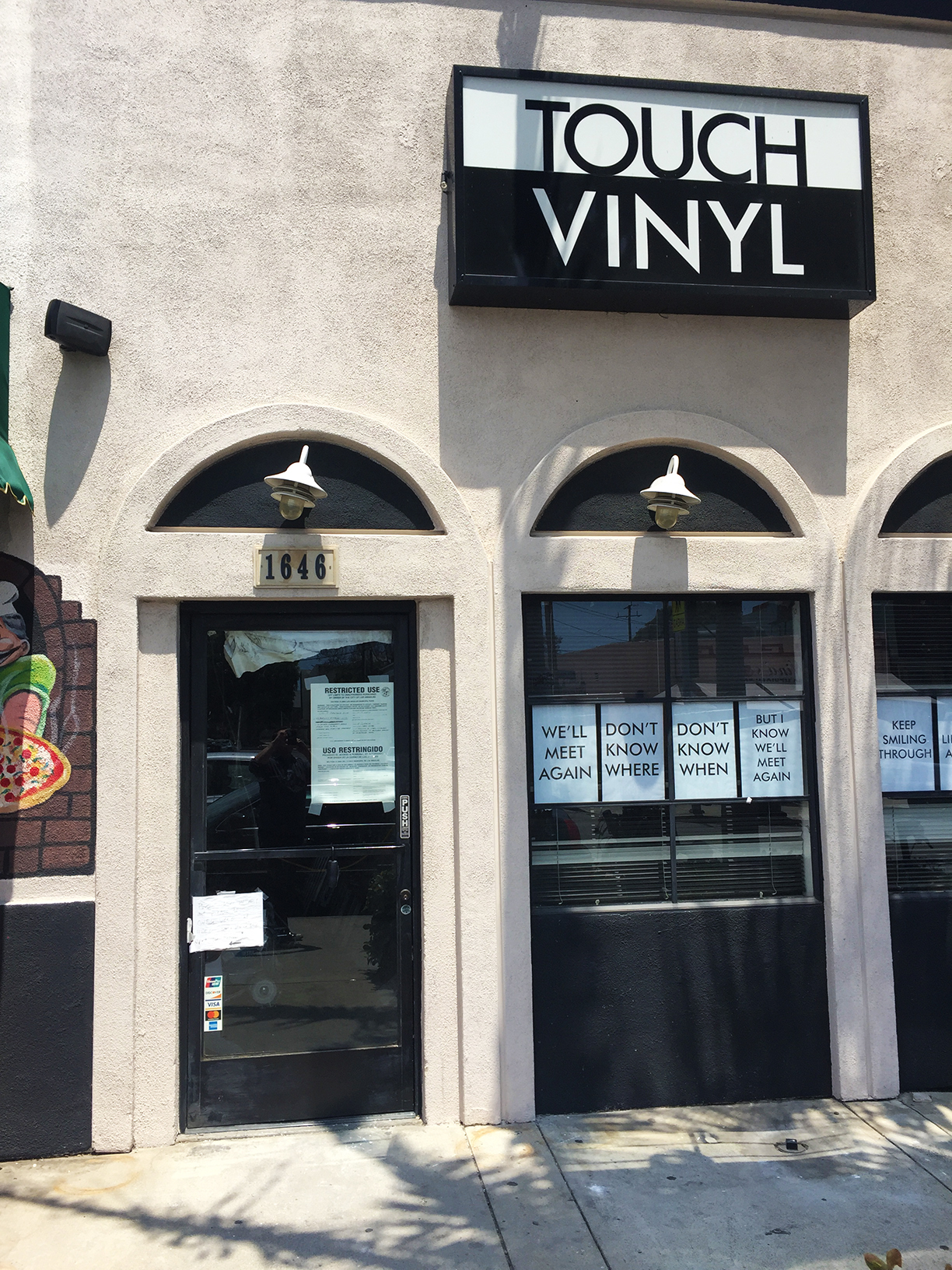 Well, this comes as a bit of a surprise to me and my wife, but there was an electrical fire at one of our neighboring brick & mortars back in November. Touch Vinyl was affected, and hasn’t been open since. We stopped by, without knowledge of the fire, which prompted an immediate internet scouring for “answers.” RIP Touch Vinyl. May the next stage in your evolution be a sound one.
Post No. 1950: The L’s
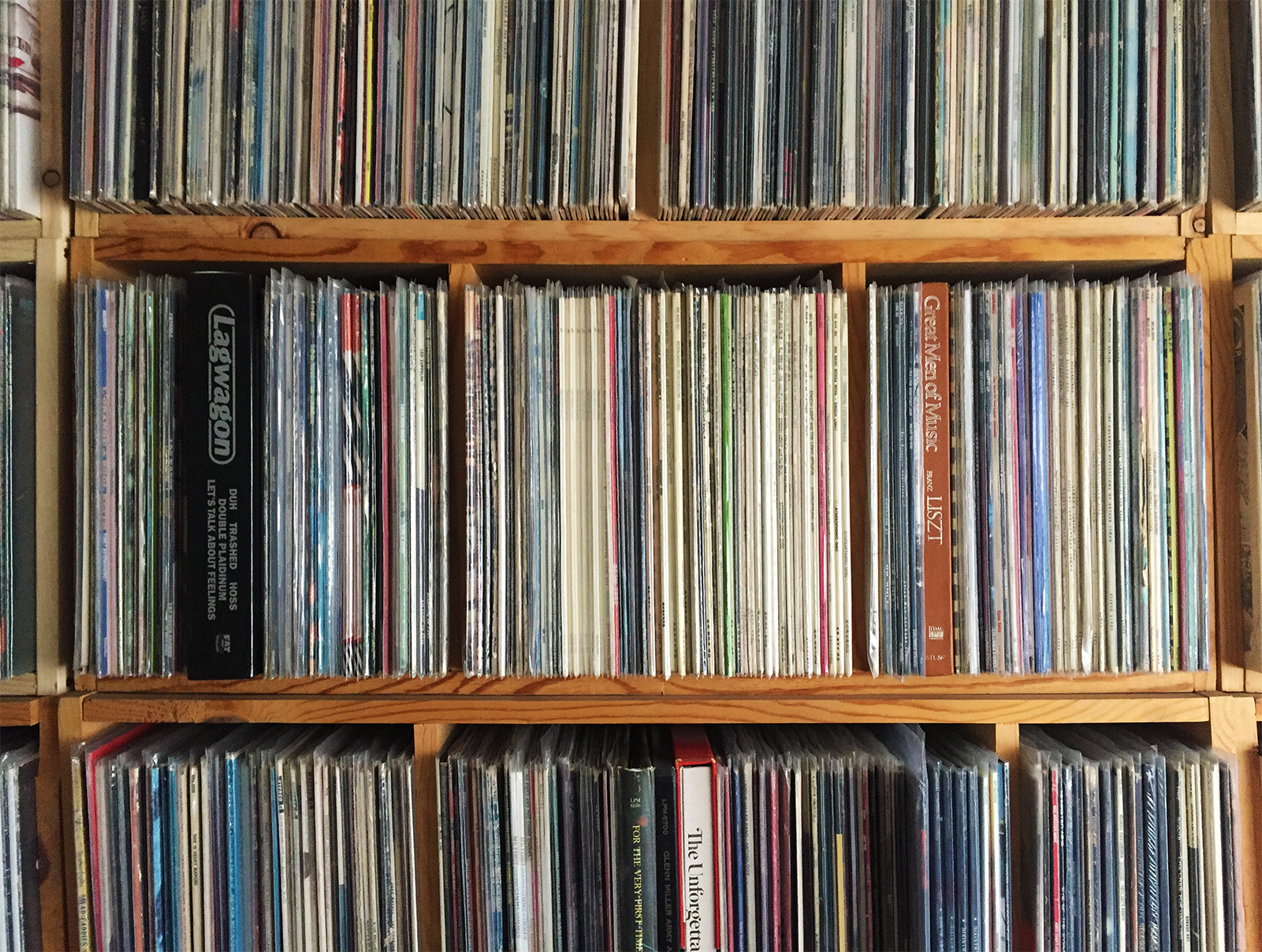 This eye level POV is most often my immediate, how do the kids say, “go-to” pull section. About 33% Enogh Light, this middle alphabet region also houses, quite snugly, the Lagwagon and Led Zeppelin discographies, all of our Arthur Lyman LPs, and a minor sliver of the early M’s. Sacrificed here in this photo is symmetry for the rightful inclusion of Licensed to Ill (top left).
F is for Foreigner
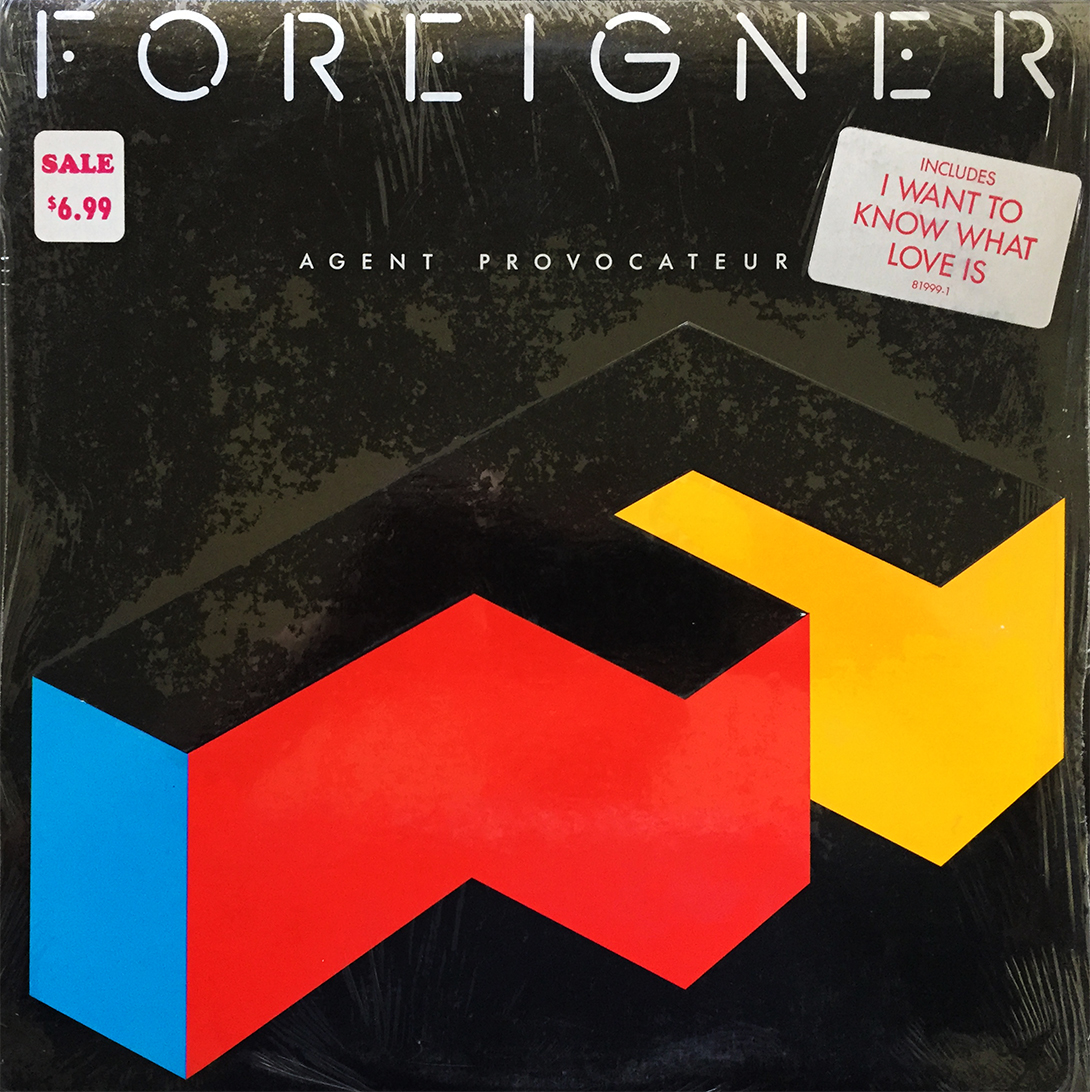 Oh, Foreigner. 1984’s Agent Provocateur housed this New York band’s biggest hit, both in the UK and the US, with I Want to Know What Love is. The hype sticker speaks for itself. Oh, Agent Provocateur, that’s the one with I Want to Know What Love is, yeah? Yes, sir or ma’am. You are correct. If you’re unsure, or just need confirmation, you can acquire the definition of love, via means of Foreigner (oh, Foreigner) for as little as a dime from Discogs. No lie! Check out this link. This shit is cheap!
R.I.P.
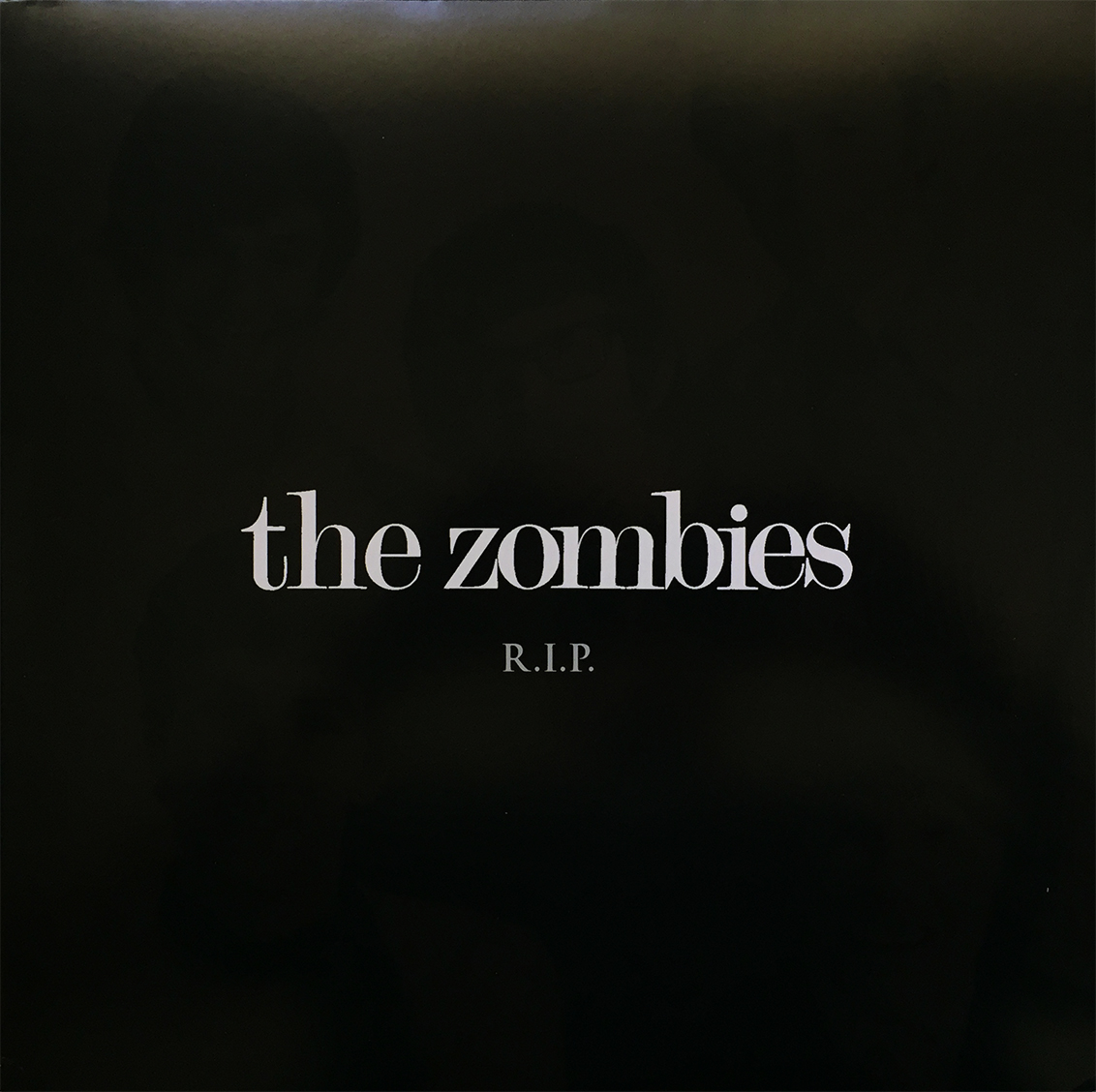 So, I’ve wanted to transcribe the back cover to The Zombies’ (now legit) follow-up to Odessey and Oracle as I felt the band’s own explanation of what R.I.P. is will better suit those needing to know than me trying to piece together any sort of sloppy, half-baked narrative. So, without further ado, here is, in its entirety, the explanation of The Zombies’ R.I.P.
—–
America’s love affair with The Zombies began in September 1964 with the release of, “She’s Not There,” and has more or less ebbed and flowed ever since. The song found almost immediate popularity on US regional radio charts and in October reached the national Billboard singles chart, rising to #2. In their homeland, the disc had peaked at #12 and The Zombies quickly earned the distinction of being more popular in the States. As proof, their follow-up release, “Tell Her No,” registered similarly, reaching #6 in the US and #42 in the UK. It would be their last UK chart single, leaving little room to redress the balance of their American popularity.
Despite radio and television appearances, two stateside visits and a slew of impressive singles on Parrot label, The Zombies also hit a commercial wall in America by the end of 1965. in 1966, they no longer bothered to invade the colonies and throughout 1967 they focused on recording an impressive long player, Odessey And Oracle. By 1968, they quietly disbanded due to the continued lack of interest in their fine recorded and live work.
As for their stateside record released, they seem to be well and truly buried. Following one single on Columbia (#Care Of Cell 44″), The Zombies’ new material was moved to the Date label. This seemed like the bitter end until a third single from the album, “Time Of The Season,” began picking up regional airplay in October 1968, long after it had been forgotten by the band and their label. Through the winter of 1968, it rose from the dead and by March 1969 had reached #3 nationally. As a result, Odessey & Oracle was also reissued in a revised album jacket and crept into the album charts the same month (reaching a high of #95).
Behind the scenes, The Zombies’ key songwriters, Rod Argent & Chris White, had made significant progress during 1968 to demo new material and were on the verge of launching a new band when this success lit up their phone lines. The Date label wanted a follow-up and fast. Despite the demand, it was unlikely that the original Zombies could be revived given that the other members had quickly moved on from music. Vocalist Colin Blunstone worked in insurance, guitarist Paul Atkinson focused on computers and drummer Hugh Grundy tried auto sales. Meanwhile, in the United States a group of imposters assuming the name of The Zombies toured the country, shamelessly riding on the success of “Time Of The Season.”
“We would never get together again,” remarked lead vocalist Colin Blunstone in February 1969, “we’ve all agreed on that. It was put to us, but we decided not to. There would be complications with contracts if we wanted to reform. it was not a case of me not wanting to join them, it was a mutual decision.”
However, no contractual issues prevented Argent & White from returning to the studio to record new material under the name The Zombies. At Morgan Studios in December 1968, they taped six new masters (“Imagine The Swan,” “Conversations Off Floral Street,” “Smokey Day,” “She Loves The Way They love Her,” “Girl Help Me” and “I Could Spend The Day”) and subsequently dusted off outtakes from past Zombies sessions spanning 1967-1966 with engineer Gus Dudgeon.
“Well,” explained Colin Blunstone in a rare interview with the UK music paper Top Pops published in March 1969, “CBS (Columbia/Date) wanted an album for America, so we used old tracks which had never been released. I sing on one side of the L.P. We brought the tapes up-to-date by adding certain things and taking away others. It sounds very complicated, but I think it turned out well.”
The “certain things” added where orchestration, backing vocals, additional keyboards and, in the case of “Walking In The Sun,” a new lead focal from Colin (who was now coaxed out of retirement and poised for a comeback under the name Neil McArthur with the revamped revival of “She’s Not There”). This album – evenly split between the new and the old – was given the clever title of R.I.P. and delivered to Date in early 1969.
Sadly, this project met its demise through commercial indifference, after a couple of pilot singles – “Imagine The Swan” and “If It Don’t Work Out” – failed to excite buyers (despite some snazzy cartoon promo ads). Although it undoubtedly features some of their finest recordings, this is the first legitimate issues of the R.I.P. album as it was originally intended in the United States. And so it seems that The Zombies, one of the finest groups to emerge from the 1960s, have gone on to an even more beautiful afterlife.
– Andrew Sandoval
30° Somewhere
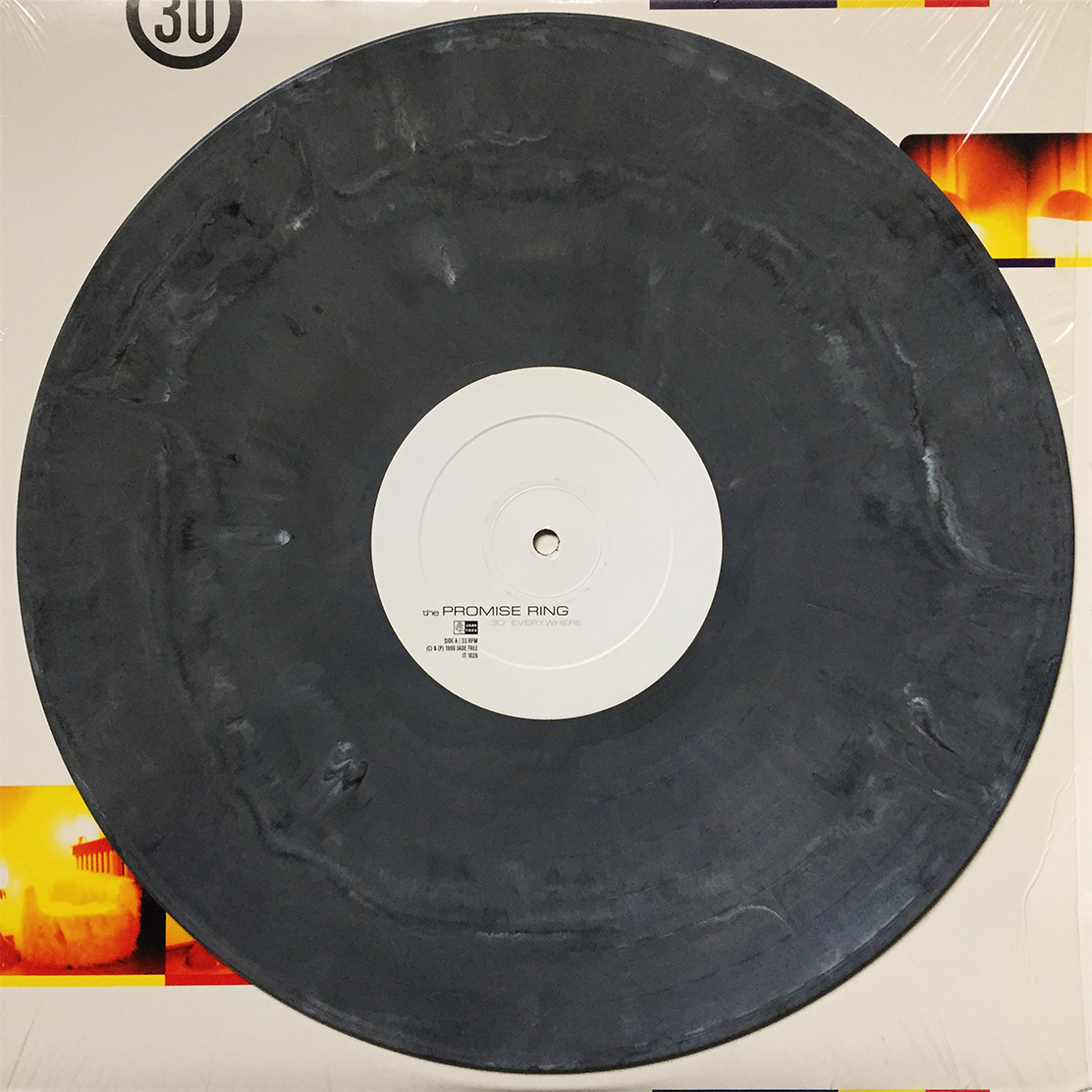 The Promise Ring’s debut album, 1996’s 30° Everywhere is, was, and will forever be the soundtrack to dark and dreary winter evenings in Milwaukee, Wisconsin. Originally released on Jade Tree Records in a variety of colors (blue, grey, red, white, yellow…), this 12-track opus is considered an integral part of emo’s second wave. Most scoff at the term emo, and they’re not necessarily wrong, as the term has ballooned into absurd and embarrassing proportions, but this album, this band, at that time… well, there was little better.
Rage Against the Clock
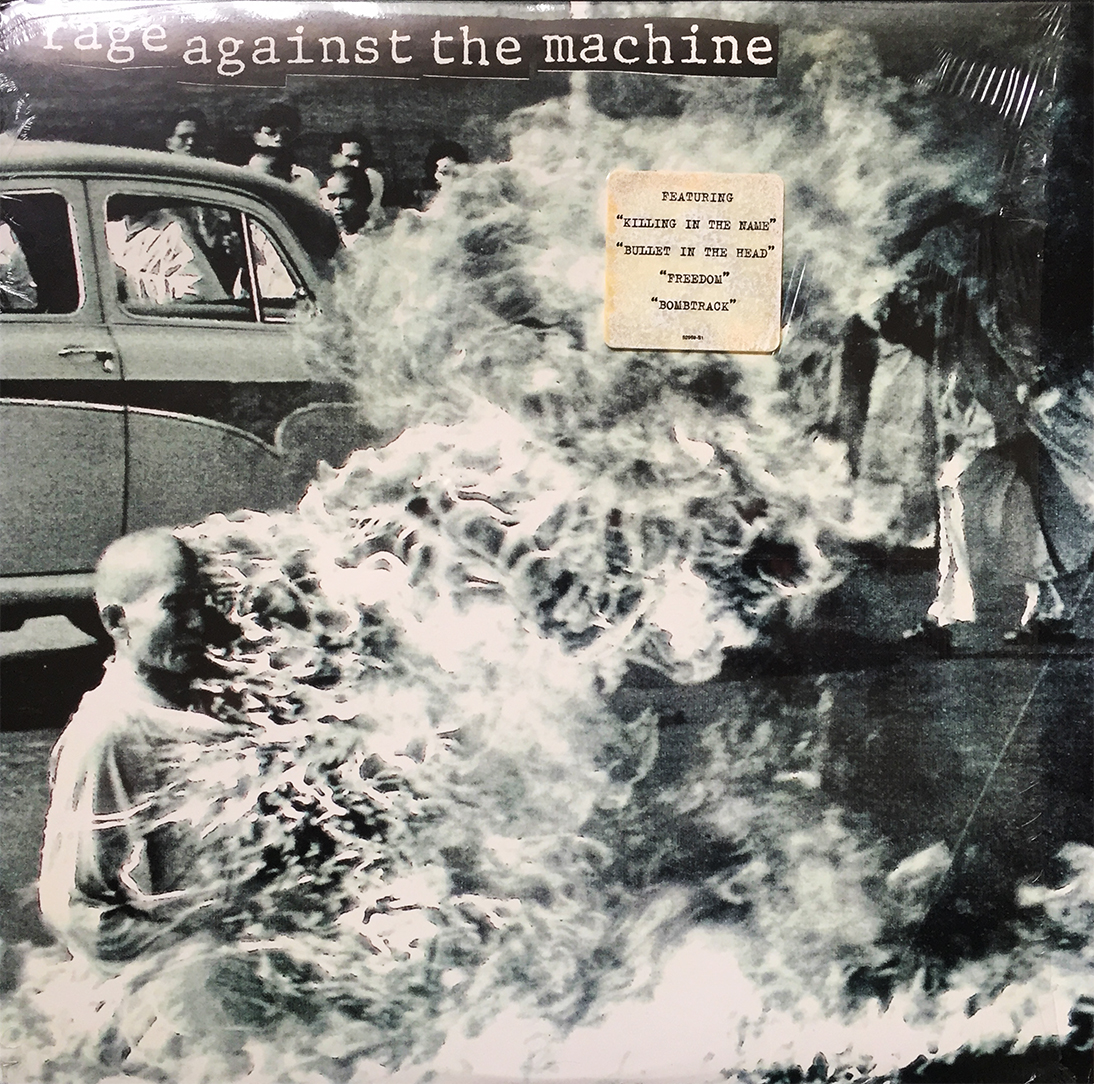 I’ve all but forgotten about Rage Against the Machine these days, but that certainly wasn’t always the case. Their first two studio albums, 1992’s Rage Against the Machine (this) and 1996’s Evil Empire were on constant (near non-stop) rotation during my searching (high school) years. It’s rather difficult to listen to either album and not think of my 13-year-old self riding bikes and shooting hoops… to a steady stream of damn good music (311, NOFX, Ministry, Operation Ivy, and Faith No More come to mind). I broke out Rage the other day after a decades-long hiatus, and it still sounds just as bit as perfect as it did to my adolescent and foolish ears some 26 years ago. Carry that torch, kids.
 The Prudent Groove